
Pointed toe flats are a wardrobe staple—sleek, professional, and effortlessly stylish. But their narrow silhouette often comes at a cost: pressure on the toes, pinched nerves, and discomfort after just minutes of wear. Rather than discarding a favorite pair or enduring pain, you can use proven at-home methods to gently stretch the toe box and improve fit. With the right approach, even stubborn leather or synthetic uppers can be reshaped safely and effectively.
The key is patience and precision. Rushing the process with heat or force can lead to warping, cracking, or permanent distortion. Instead, focus on gradual expansion using materials and techniques that mimic natural foot movement and moisture-based softening. These solutions are accessible, affordable, and suitable for most shoe types—especially those made from genuine or faux leather, suede, and fabric blends.
Understanding Why Pointed Flats Become Uncomfortable
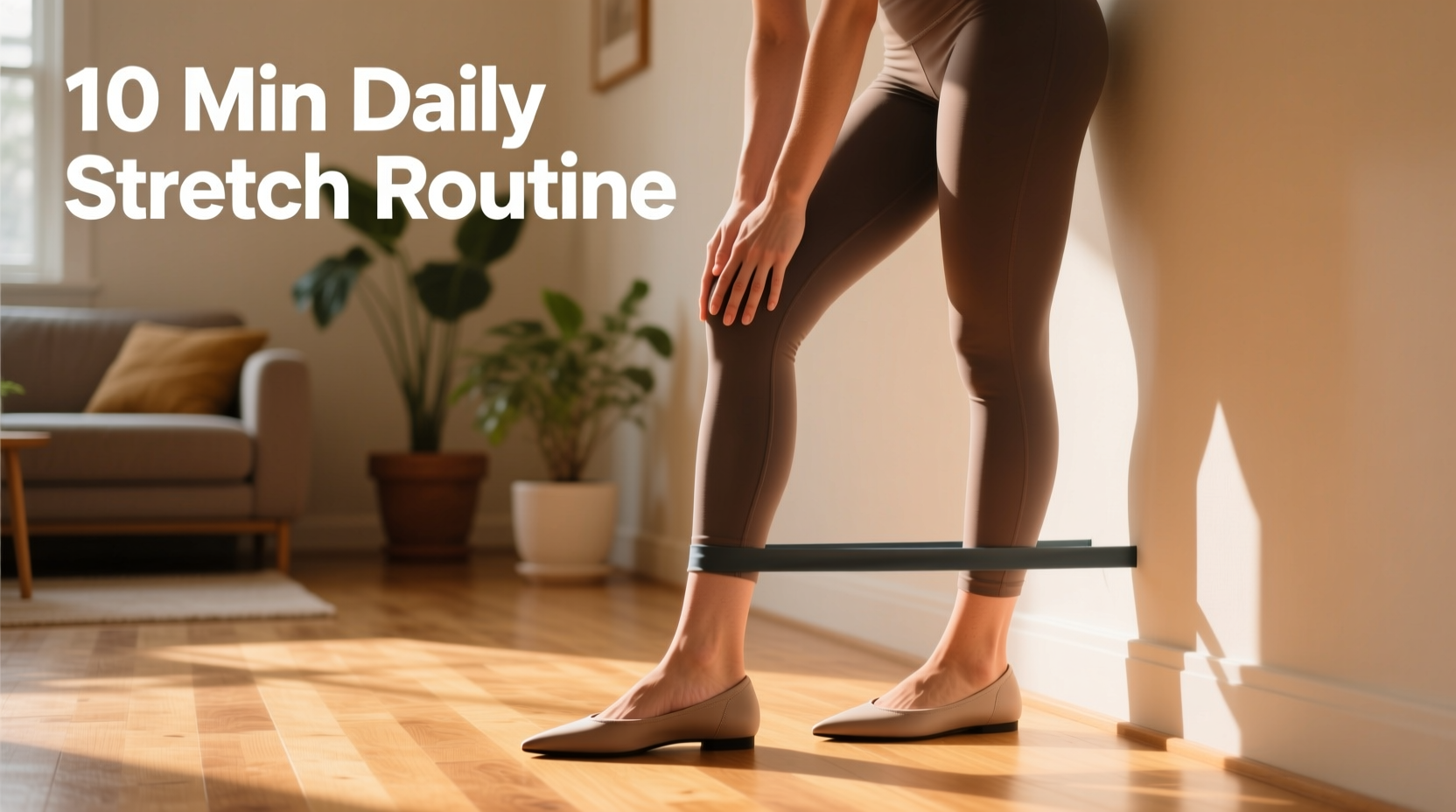
The anatomy of a pointed flat places significant compression on the forefoot. Unlike rounded or almond-shaped styles, the tapered front forces toes into a confined space, increasing pressure on the metatarsal heads and encouraging overlapping, especially in individuals with wider feet or bunions. Over time, this leads to numbness, calluses, or even neuromas.
Manufacturers often prioritize aesthetics over ergonomics, cutting patterns with minimal extra room. While some brands offer wide-width versions, many beloved designs remain available only in standard narrow lasts. This makes at-home stretching not just a comfort upgrade, but a necessity for long-term wearability.
“Shoes should adapt to the foot, not the other way around. A well-executed stretch can transform an unwearable pair into a daily favorite.” — Lena Ruiz, Footwear Fit Consultant & Podiatry Advisor
Step-by-Step Guide: Safe and Controlled Stretching Methods
Below is a detailed sequence of techniques ranked by effectiveness and safety. Begin with the gentlest option and progress as needed. Always test fit frequently to avoid over-stretching.
- Pre-Clean the Interior: Wipe down the inside of the shoe with a damp cloth to remove dust and residue. A clean surface ensures better absorption during moisture-based treatments.
- Identify the Tight Zones: Wear the shoes with thin socks and walk briefly. Mark areas of pressure (e.g., across the ball of the foot or along the big toe) using a small piece of tape.
- Choose Your Method: Select one primary technique based on material and urgency. Combine methods only if necessary and with caution.
- Apply Treatment Gradually: Never apply excessive force. Allow 24–48 hours between applications for fibers to settle.
- Test Fit Regularly: After each treatment, wear the shoes indoors with intended sock thickness to assess improvement.
Method 1: The Frozen Water Bag Technique
This method uses water’s expansion when frozen to gently widen tight areas. It's ideal for localized stretching at the toe box.
- Fill two sandwich-sized zip-top bags with water, leaving about an inch of space at the top.
- Insert one bag into each shoe, positioning it toward the toe area.
- Seal the bags securely and place the shoes upright in the freezer.
- Leave for 6–8 hours or overnight until the water is fully frozen.
- Remove and let thaw completely before checking fit.
Repeat once if needed. Avoid overfilling bags to prevent ruptures or heel distortion.
Method 2: Alcohol and Heat Application (For Leather & Suede)
Alcohol breaks down surface tension in leather fibers, making them more pliable when combined with low heat.
- Mix equal parts isopropyl alcohol and water in a spray bottle.
- Spray the solution inside the toe box, focusing on tight spots.
- Immediately wear the shoes with thick socks for 30–60 minutes.
- Use a hairdryer on low heat to warm the exterior while walking in place.
- Let shoes air-dry naturally—never on direct heat.
This method mimics professional stretching and works best for genuine leather. Avoid on patent finishes or glued seams.
Method 3: Shoe Stretcher with Expansion Bulb
Investing in a dual-axis wooden shoe stretcher offers the most consistent results, especially for recurring fit issues.
Adjust the bulb to fit snugly in the toe box. Turn the knob daily to expand width and length incrementally. Use rubber-coated models to protect delicate linings. Leave in for 24–72 hours depending on desired stretch.
Some stretchers come with interchangeable bulbs for targeted widening—ideal for high insteps or wide forefeet.
Do’s and Don’ts When Stretching Pointed Flats
| Do’s | Don’ts |
|---|---|
| Use thick socks during heat-and-wear methods | Never boil shoes or use open flame |
| Stretch gradually over several days | Avoid soaking leather shoes entirely |
| Stuff shoes with tissue paper when not in use | Don’t hammer or pry the toe box open |
| Condition leather after alcohol treatments | Don’t wear stretched shoes immediately after heating |
| Try one method at a time to track results | Don’t expect synthetic fabrics to stretch like leather |
Real Example: Recovering a Pair of Office-Ready Pumps
Claire, a marketing executive in Chicago, purchased a sleek black pointed flat for client meetings. Despite their elegant look, she couldn’t wear them beyond 20 minutes due to lateral toe compression. She tried gel pads and thinner socks with no relief.
She began with the frozen water bag method, repeating it twice over four days. While the length improved slightly, the width remained tight. She then applied the alcohol-heat-wear technique once, wearing the shoes with wool socks and using a hairdryer for five-minute intervals while flexing her toes.
After 48 hours of rest, the fit was noticeably better. She could walk confidently for over two hours. Claire now keeps a shoe stretcher in her desk drawer for maintenance and applies leather conditioner monthly to preserve flexibility.
Checklist: At-Home Stretching Success Plan
- ☐ Identify exact pressure points while wearing the shoes
- ☐ Clean interior surfaces before treatment
- ☐ Choose one primary method based on material and urgency
- ☐ Apply treatment slowly—no aggressive force
- ☐ Wear with appropriate socks during heat/wear steps
- ☐ Allow full drying time between attempts
- ☐ Condition leather afterward to prevent drying
- ☐ Store with toe inserts to maintain new shape
Frequently Asked Questions
Can I stretch pointed flats that are already showing signs of creasing?
Yes, but with caution. Existing creases indicate fiber stress. Focus on gentle methods like the water freeze or adjustable stretcher. Avoid additional heat, which may deepen cracks. After stretching, apply a leather balm to rejuvenate the surface.
How much width can I realistically gain?
Most home methods yield a quarter to half-size increase in width. Leather responds best, potentially reaching up to 5–10% expansion. Synthetics have limited give. For extreme cases, consider professional resoling with a wider last.
Will stretching ruin the structure of my flats?
Not if done correctly. Gradual, controlled expansion preserves integrity. Problems arise from rapid heating, over-saturation, or mechanical damage. Stick to recommended timelines and tools to maintain shape and sole adhesion.
Conclusion: Comfort Shouldn’t Compromise Style
Tight pointed toe flats don’t have to be sacrificed to discomfort. With thoughtful, science-backed techniques, you can reclaim both wearability and elegance. Whether using household items like water bags or investing in reusable tools like wooden stretchers, the goal is sustainable improvement—not quick fixes that damage your footwear.




 浙公网安备
33010002000092号
浙公网安备
33010002000092号 浙B2-20120091-4
Comments
No comments yet. Why don't you start the discussion?