
Grass stains are among the most stubborn types of organic stains, particularly on light-colored or synthetic fabrics. They contain chlorophyll, plant pigments, and natural oils that bind tightly to fabric fibers, making them resistant to regular washing. Whether it’s a child’s soccer jersey, a favorite pair of white shorts, or a delicate blouse brushed against damp grass, treating the stain promptly and correctly is key to full removal. The good news: with the right approach, you can eliminate grass stains without harsh chemicals or expensive treatments—using items already in your pantry.
Understanding Grass Stains: Why They Stick
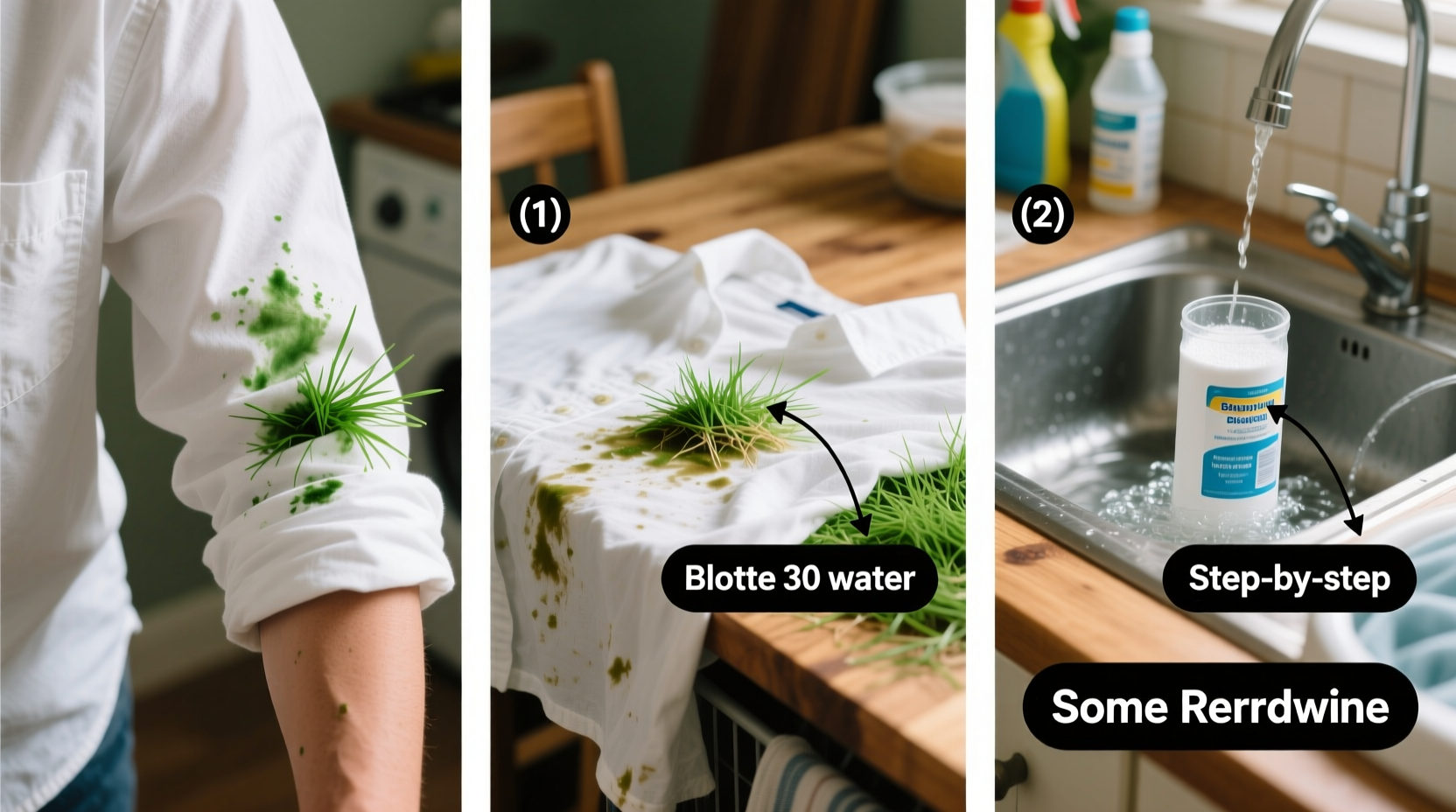
Grass stains aren’t just green smudges—they’re complex mixtures of chlorophyll (the pigment that gives plants their color), proteins, and waxy compounds. When crushed against fabric, these substances penetrate deep into fibers, especially under pressure or friction. Synthetic fabrics like polyester tend to hold onto oil-based components more than cotton, while natural fibers may absorb water-soluble pigments. Heat from dryers sets the stain permanently, which is why skipping the dryer until the stain is fully gone is crucial.
“Grass stains combine both water-soluble and oil-soluble components, so a multi-stage treatment using both enzymatic and solvent-based cleaners yields the best results.” — Dr. Lina Patel, Textile Chemist, Home Stain Research Lab
Step-by-Step Guide to Removing Grass Stains
The effectiveness of stain removal depends heavily on timing and method. Follow this detailed timeline for optimal results:
- Act immediately: The sooner you treat the stain, the better. Fresh stains haven’t oxidized or bonded deeply with the fabric.
- Scrape off excess: Use a spoon or dull knife to gently lift any visible grass debris from the fabric surface.
- Rinse from the back: Hold the stained area under cold running water, pushing the stain out from the reverse side to avoid spreading.
- Pre-treat with a stain remover: Apply one of the solutions outlined below directly to the stain and let sit for 15–30 minutes.
- Wash in cold water: Use the appropriate cycle and detergent for the fabric type. Never use hot water initially—it sets the stain.
- Air dry: After washing, air-dry the garment. Check if the stain remains before placing it in the dryer. Heat locks in residue.
- Repeat if necessary: For persistent stains, repeat the process before drying.
Top 5 Home-Based Treatment Methods
You don’t need specialty products to tackle grass stains. These proven household remedies work effectively across various fabric types:
- White vinegar and baking soda paste: Mix 2 tablespoons of white vinegar with 1 tablespoon of baking soda to form a thick paste. Apply to the stain, gently rub in with a soft brush, and let sit for 30 minutes before rinsing and washing.
- Liquid dish soap (degreasing action): Dish soap breaks down the oily components in grass. Apply a few drops directly to the stain, massage gently, and let sit for 15 minutes. Rinse with cold water before laundering.
- Hydrogen peroxide (for whites and colorfast fabrics): Apply 3% hydrogen peroxide directly to the stain. Wait 10–15 minutes. Blot with a clean cloth. Repeat if needed. Note: Do not use on silk or dark fabrics unless tested first.
- Isopropyl alcohol (for synthetic fabrics): Dab rubbing alcohol onto the stain with a cotton ball. It dissolves waxy residues. Rinse thoroughly after 5–10 minutes.
- Enzyme-based laundry detergent: Pre-soak the garment in warm water mixed with an enzyme cleaner (like those designed for baby clothes or pet stains) for 30 minutes to 1 hour. Enzymes break down the protein elements in grass.
Do’s and Don’ts of Grass Stain Removal
| Do’s | Don’ts |
|---|---|
| Use cold water for rinsing and initial washing | Use hot water before the stain is gone |
| Pre-treat as soon as possible | Delay treatment for more than a few hours |
| Blot or dab—don’t scrub aggressively | Rub the stain hard, which spreads it |
| Air-dry until you confirm the stain is gone | Put stained clothes in the dryer |
| Test solutions on a hidden seam first | Apply strong solvents without testing |
Real-Life Example: Removing Grass Stains from a White Cotton Jersey
Sarah noticed her son’s white soccer jersey had large grass stains on both knees after a weekend game. She acted quickly: within two hours, she rinsed the back of the stains under cold water, then applied a mixture of liquid dish soap and a drop of hydrogen peroxide. After letting it sit for 20 minutes, she washed the jersey in cold water using a standard detergent with enzymes. She air-dried it outside. One small shadow remained, so she repeated the dish soap treatment and washed again. The second wash removed the stain completely, and the jersey looked brand new. Crucially, Sarah avoided the dryer until the final check—preventing permanent setting of residual pigment.
Checklist: How to Remove Grass Stains at Home
Follow this checklist for complete grass stain removal:
- ☑ Scrape off excess grass material
- ☑ Rinse stain from the back with cold water
- ☑ Choose and apply an appropriate pre-treatment (vinegar paste, dish soap, etc.)
- ☑ Let solution sit 15–30 minutes
- ☑ Gently agitate with a soft brush or fingers
- ☑ Wash in cold water with suitable detergent
- ☑ Air-dry and inspect before rewashing or drying
- ☑ Repeat treatment if needed—never heat-dry a stained item
Frequently Asked Questions
Can I use bleach on grass stains?
Only on white, bleach-safe fabrics—and only as a last resort. Chlorine bleach can weaken fibers and react poorly with organic matter, sometimes yellowing the fabric. Oxygen-based bleach (like sodium percarbonate) is safer and more effective for grass stains when combined with warm water soaking.
What if the grass stain has already been dried?
Dried stains are harder but not hopeless. Rehydrate the area with cold water, then apply a stronger pre-treatment like a vinegar-baking soda paste or rubbing alcohol. Soak for up to an hour before washing. Multiple treatments may be required.
Are grass stains permanent?
No, grass stains are not inherently permanent. However, improper treatment—especially exposure to heat—can make them appear so. With consistent, correct methods, even old stains can often be lifted.
Final Tips for Long-Term Success
Prevention is just as important as removal. Consider applying a fabric protector spray on frequently worn outdoor clothing to create a barrier against stains. For families with active kids, keeping a stain removal kit ready—containing travel-sized dish soap, wipes with alcohol, and a small stain brush—can make on-the-go treatment easier.
Always read garment care labels before applying any solution. Delicate materials like silk or wool require gentler handling and may benefit from professional cleaning if the stain persists.
Take Action Today
Grass stains don’t have to mean ruined clothes. With prompt attention and the right techniques, you can restore garments to their original condition using simple, non-toxic solutions. Start by gathering your household staples—vinegar, dish soap, baking soda—and practice the step-by-step method on your next stained item. Share your success stories or tips in the comments to help others keep their wardrobes fresh and stain-free.




 浙公网安备
33010002000092号
浙公网安备
33010002000092号 浙B2-20120091-4
Comments
No comments yet. Why don't you start the discussion?