
Shoes absorb more than just steps—they collect sweat, bacteria, and environmental grime over time. Without proper care, this leads to persistent odors, discoloration, and even fungal growth. While most people focus on cleaning the exterior, the interior is where odor-causing microbes thrive. Regular maintenance not only improves comfort but also extends the lifespan of your footwear. Whether you're dealing with athletic sneakers, leather boots, or fabric-lined loafers, a thorough internal cleaning routine can make a dramatic difference.
Why Interior Shoe Hygiene Matters
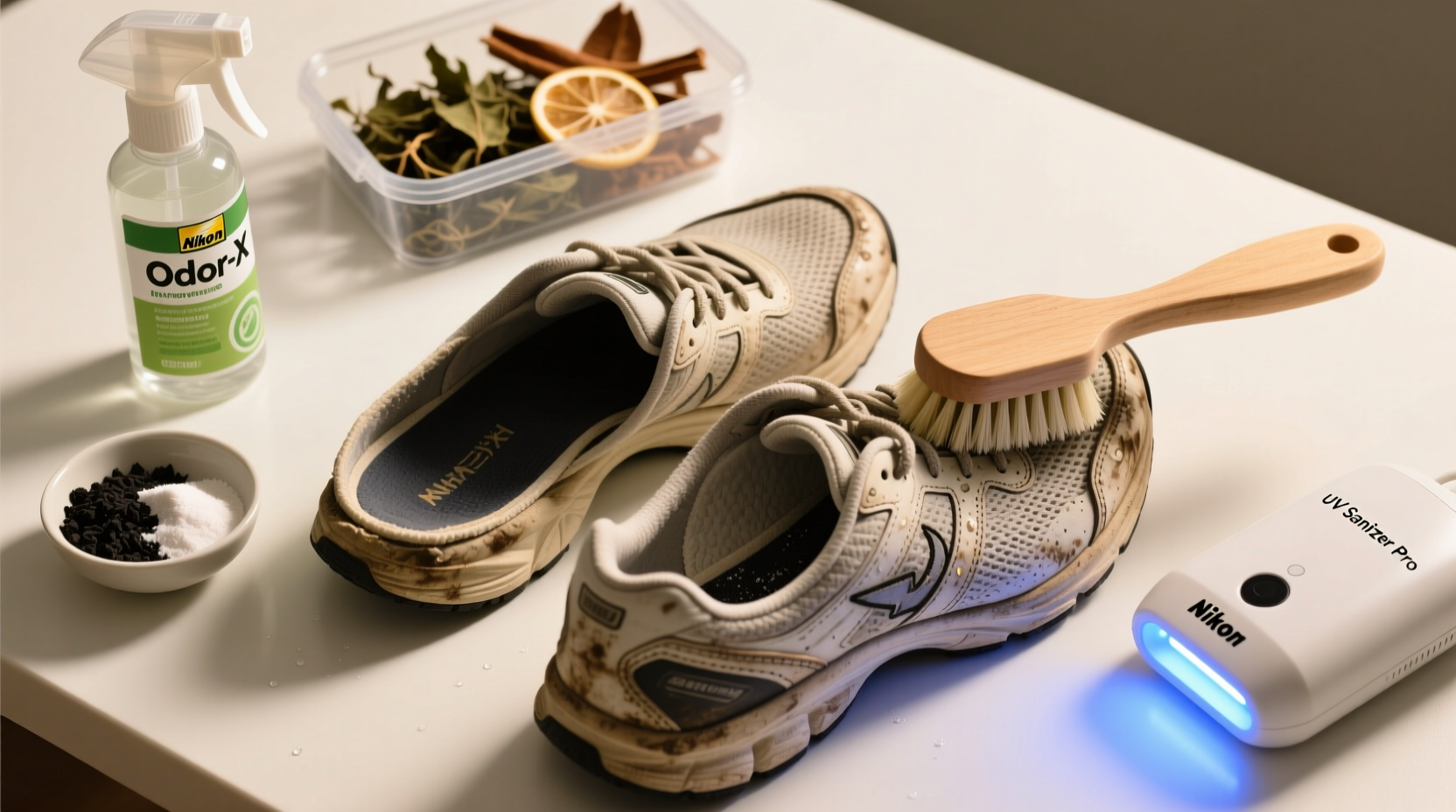
The inside of a shoe is a dark, warm, and often damp environment—ideal conditions for bacteria and fungi to multiply. Each foot can produce up to half a pint of sweat daily, much of which gets absorbed by insoles and linings. As microbes break down sweat components like urea and fatty acids, they release foul-smelling gases such as isovaleric acid—the same compound found in aged cheese.
Ignoring internal cleanliness doesn't just lead to embarrassment; it increases the risk of athlete’s foot, toenail fungus, and skin irritation. Furthermore, lingering moisture weakens adhesives, breaks down fabrics, and causes insoles to degrade faster. A proactive approach to deep cleaning ensures hygiene, comfort, and durability.
“Most shoe deterioration begins from the inside out. Controlling moisture and microbial buildup is key to preserving both function and structure.” — Dr. Lena Torres, Podiatrist & Footwear Health Specialist
Step-by-Step Guide: Deep Cleaning the Inside of Your Shoes
A comprehensive interior cleaning process involves multiple stages: removal of debris, disinfection, deodorization, drying, and protection. Follow this timeline for best results:
- Remove laces and insoles: Take out removable components to treat them separately. Laces can be hand-washed, and insoles receive focused attention.
- Dry brush interior: Use a soft-bristled toothbrush or shoe brush to dislodge loose dirt, dust, and dead skin particles from seams and tongue areas.
- Vacuum if possible: A handheld vacuum with a narrow nozzle helps extract fine debris from hard-to-reach spots.
- Spot-clean stains: Dampen a microfiber cloth with a solution of mild detergent and water. Gently scrub stained areas without oversaturating the material.
- Disinfect with antimicrobial solution: Apply a 3% hydrogen peroxide solution or a dedicated shoe-safe disinfectant spray. Avoid bleach-based cleaners that may damage fabrics.
- Air-dry thoroughly: Place shoes in a well-ventilated area away from direct heat or sunlight. Stuffing them with crumpled newspaper helps absorb moisture and maintain shape.
- Deodorize post-cleaning: Once dry, apply odor-neutralizing agents (see next section).
- Reassemble and protect: Reinsert cleaned insoles and laces. Consider using moisture-wicking liners or antifungal sprays for ongoing protection.
Proven Deodorizing Methods That Work
Cleaning removes visible grime, but deodorizing eliminates the invisible cause of bad smells. Not all solutions are equal—some merely mask odors while others neutralize the source. Below are the most effective techniques backed by practical use and microbiological principles.
- Baking soda: A natural odor absorber. Sprinkle 1–2 tablespoons inside each shoe and leave overnight. Vacuum or shake out in the morning.
- Activated charcoal: More powerful than baking soda, it traps odor molecules. Insert commercial charcoal bags or DIY pouches made from cotton fabric.
- Vinegar wipes: Mix equal parts white vinegar and water. Wipe the interior with a cloth, then air-dry completely. The acetic acid kills bacteria and evaporates without residue.
- Tea tree oil spray: Combine 10 drops of tea tree oil with 1 cup of water in a spray bottle. Lightly mist the inside. Its antifungal and antibacterial properties combat odor at the microbial level.
- Sunlight exposure: UV rays have natural disinfecting effects. Place shoes sole-up in indirect sunlight for 2–3 hours. Do not overexpose leather or synthetic materials to prevent cracking or fading.
Do’s and Don’ts of Shoe Deodorizing
| Do | Don’t |
|---|---|
| Use breathable storage solutions like mesh bags | Store wet shoes in closed closets or plastic bins |
| Rotate shoes every 2–3 days to allow drying | Wear the same pair daily without rest periods |
| Apply antifungal sprays weekly for high-use footwear | Use strong perfumes to cover up odors (can worsen bacterial growth) |
| Replace worn insoles every 6–12 months | Ignore signs of mold or persistent musty smells |
Real Example: Reviving Gym Sneakers After Six Months of Daily Use
Mark, a fitness instructor, wore the same pair of cross-training shoes five days a week for over half a year. Despite regular wiping, the sneakers developed a sour smell that lingered even after airing out. He avoided removing them in shared changing rooms due to embarrassment.
He followed a three-phase treatment: First, he removed the insoles and soaked them in a mix of warm water, castile soap, and two tablespoons of baking soda for 30 minutes. After rinsing and air-drying, he treated the shoe interiors with a hydrogen peroxide and water (1:1) spray. He stuffed the shoes with newspaper and left them near a fan for 24 hours. Finally, he inserted activated charcoal sachets overnight.
Result: The odor vanished completely. Mark now rotates between two pairs and uses cedar inserts during off-days. His students have commented on how fresh his gear smells—even during intense sessions.
Checklist: Monthly Interior Shoe Maintenance Routine
To keep shoes consistently fresh, follow this monthly checklist:
- ☐ Remove insoles and inspect for wear or staining
- ☐ Hand-wash insoles with gentle soap and air-dry
- ☐ Brush interior to remove accumulated debris
- ☐ Disinfect with hydrogen peroxide or tea tree oil spray
- ☐ Apply odor absorber (baking soda or charcoal) overnight
- ☐ Replace disposable insoles if flattened or discolored
- ☐ Condition leather interiors with a small amount of leather cream
- ☐ Store shoes with breathable inserts or cedar blocks
Frequently Asked Questions
Can I put my shoes in the washing machine to clean the inside?
Only if the manufacturer specifies machine-washable. Most shoes suffer structural damage when exposed to high agitation and water immersion. Insoles may delaminate, glues can weaken, and fabrics might shrink. Always opt for manual cleaning unless instructions confirm otherwise.
How often should I deep clean the inside of my shoes?
For everyday footwear, deep clean every 4–6 weeks. Athletic shoes used for running or gym activities benefit from cleaning every 3 weeks. Occasional-use shoes (e.g., dress shoes) should be cleaned before seasonal storage and upon retrieval.
Are there long-term solutions to prevent shoe odor?
Yes. Wear moisture-wicking socks (merino wool or synthetic blends), rotate shoes regularly, and use antimicrobial insoles. Additionally, applying foot powders or antiperspirants can reduce sweat production. For extreme cases, consider UV-C sanitizing devices designed for footwear.
Take Control of Shoe Hygiene Today
Your shoes carry you through your day—they deserve more than surface-level care. By implementing consistent interior cleaning and smart deodorizing habits, you eliminate health risks, enhance comfort, and protect your investment. Start with one pair this week: remove the insoles, give the lining a thorough brushing, and treat it with a natural disinfectant. Notice the difference in smell, feel, and confidence.




 浙公网安备
33010002000092号
浙公网安备
33010002000092号 浙B2-20120091-4
Comments
No comments yet. Why don't you start the discussion?