
Premature ejaculation (PE) affects millions of men worldwide, often leading to frustration, reduced self-esteem, and strain on intimate relationships. While occasional early climax is normal, persistent patterns can interfere with sexual satisfaction. The good news is that PE is highly manageable with the right combination of behavioral techniques, lifestyle adjustments, and, when needed, medical support. This guide presents evidence-based methods to help you gain control, extend endurance, and enjoy more fulfilling intimacy.
Understanding Premature Ejaculation
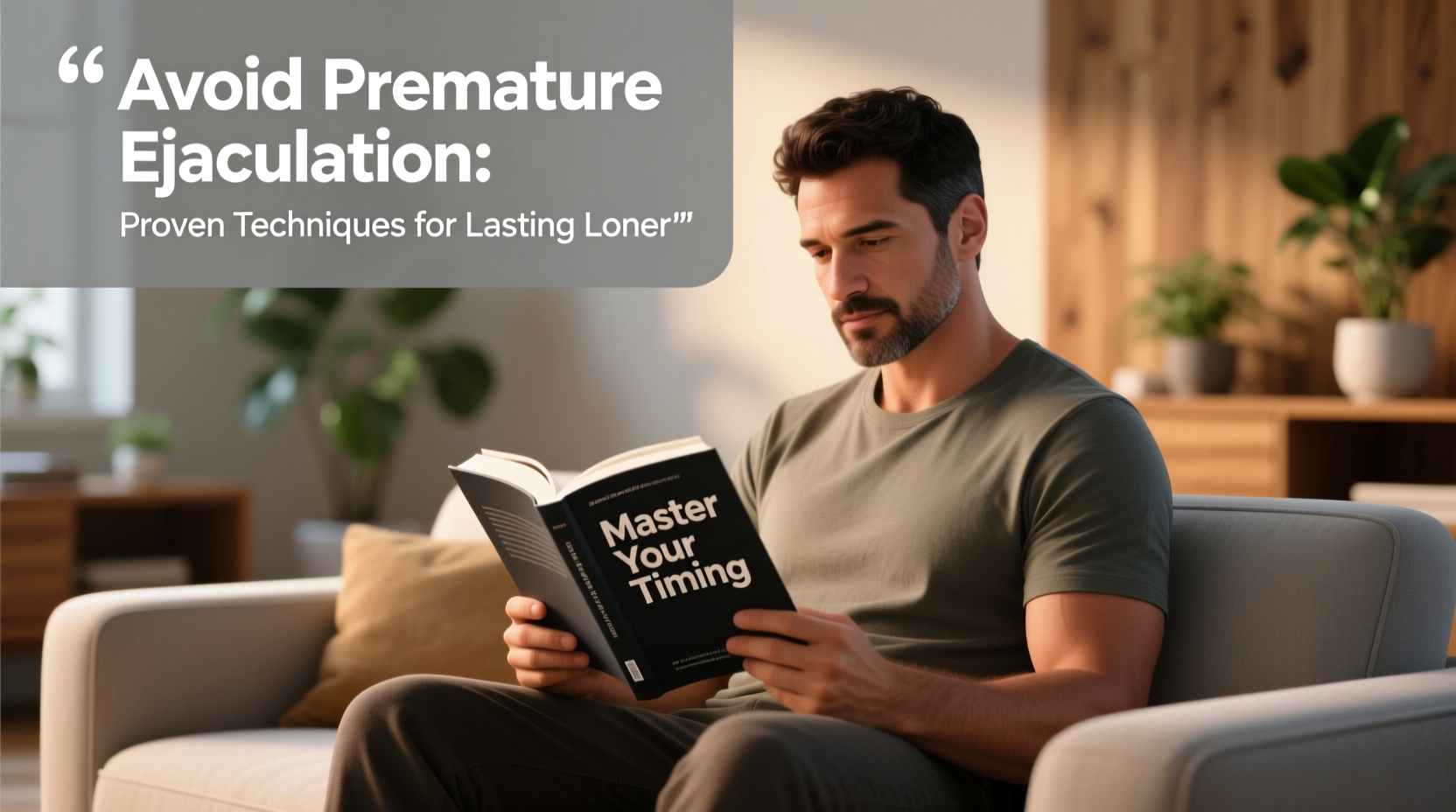
Premature ejaculation is typically defined as ejaculation that occurs within one minute of penetration, consistently and before desired. However, timing isn’t the only factor—lack of control and personal distress are equally important. PE can be lifelong (primary), beginning from first sexual experiences, or acquired (secondary), developing after a period of normal function.
Contributing factors include psychological elements such as anxiety, performance pressure, or relationship issues, as well as biological influences like hormonal imbalances, hypersensitivity, or genetic predisposition. Importantly, PE is not a reflection of masculinity or virility. Recognizing it as a common, treatable condition is the first step toward improvement.
“Premature ejaculation is one of the most frequent male sexual concerns—but also one of the most responsive to behavioral intervention.” — Dr. Laura Berman, Clinical Sexologist
Behavioral Techniques for Improved Control
The foundation of managing premature ejaculation lies in training your body’s response through consistent practice. These techniques require patience and cooperation with a partner but offer long-term results without medication.
The Start-Stop Method
Developed by sex researcher Dr. James Semans and refined by Masters and Johnson, this method helps increase awareness of arousal levels. During masturbation or partnered stimulation:
- Stimulate the penis until nearing the point of inevitability (the “point of no return”).
- Stop all stimulation completely for 30–60 seconds.
- Resume once arousal has decreased.
- Repeat the cycle 3–5 times before allowing ejaculation.
Practice this 2–3 times per week. Over time, you’ll develop better recognition of arousal thresholds and improved control during intercourse.
The Squeeze Technique
A variation of the start-stop method, the squeeze technique involves physical interruption of arousal:
- When close to ejaculating, withdraw the penis.
- Squeeze the base of the glans (head) firmly for 10–20 seconds.
- Release, wait 30 seconds, then resume stimulation.
This reduces the urge to ejaculate by decreasing blood flow temporarily. It may feel uncomfortable at first but becomes more natural with repetition.
Lifestyle and Physical Factors That Influence Stamina
Sexual performance is deeply connected to overall health. Addressing foundational wellness habits can significantly delay ejaculation and enhance sexual resilience.
Exercise and Pelvic Floor Training
Strong pelvic floor muscles play a crucial role in ejaculatory control. The pubococcygeus (PC) muscle, engaged during Kegel exercises, helps regulate the ejaculatory reflex.
To identify the PC muscle: stop urination midstream. The muscle used is your target. Once identified:
- Contract the muscle for 3–5 seconds, then relax for 5 seconds.
- Repeat 10–15 times per session, 2–3 times daily.
Within 4–6 weeks, many men report increased control and stronger orgasms.
Diet and Sleep
Nutrition impacts hormone balance and energy levels. Diets rich in zinc (found in oysters, pumpkin seeds), magnesium (leafy greens, nuts), and omega-3s (fatty fish) support testosterone and nerve function. Avoid excessive alcohol and processed foods, which can impair sensitivity regulation.
Sleep deprivation increases cortisol and decreases dopamine, both of which heighten arousal and reduce control. Aim for 7–8 hours of quality sleep nightly to maintain optimal sexual function.
Psychological Strategies for Long-Term Improvement
Anxiety is one of the most common triggers of premature ejaculation. Performance pressure—especially the fear of disappointing a partner—can create a cycle of stress and early climax.
Mindfulness and Breathing Techniques
Practicing mindfulness during sex redirects focus from outcome (how long you last) to sensation and presence. Deep, rhythmic breathing activates the parasympathetic nervous system, counteracting the fight-or-flight response that accelerates ejaculation.
Try this during intercourse:
- Breathe in slowly through the nose for 4 counts.
- Hold for 2 counts.
- Exhale fully through the mouth for 6 counts.
Sync your breath with your partner’s rhythm to stay grounded and connected.
Communication with Your Partner
Open dialogue reduces shame and builds intimacy. Discussing PE with your partner normalizes the experience and fosters teamwork. Many partners care more about emotional connection than duration.
“We stopped focusing on how long things lasted and started enjoying the buildup. That shift changed everything.” — Mark, 34, after six months of practicing techniques with his partner
Treatment Options and When to Seek Help
While behavioral methods are effective for most men, some benefit from additional support. Consider professional guidance if PE persists despite consistent effort.
| Approach | How It Helps | Considerations |
|---|---|---|
| Cognitive Behavioral Therapy (CBT) | Addresses anxiety, negative thought patterns, and performance pressure | Requires a qualified therapist; long-term benefits |
| Topical Anesthetics | Creams or sprays (e.g., lidocaine) reduce penile sensitivity | May numb partner; use with condom |
| SSRI Medications | Antidepressants like sertraline delay ejaculation as a side effect | Prescription required; potential side effects |
| Delay Sprays/Wipes | Over-the-counter products with mild numbing agents | Immediate effect; temporary solution |
Always consult a healthcare provider before starting medications. They can rule out underlying conditions such as thyroid disorders or prostate inflammation.
Step-by-Step Plan to Improve Endurance
Follow this structured 8-week timeline to build lasting control:
- Week 1–2: Begin daily Kegel exercises and practice the start-stop method during masturbation.
- Week 3–4: Introduce mindfulness breathing into solo sessions. Track arousal levels using a simple scale (1 = relaxed, 10 = about to ejaculate).
- Week 5–6: Share your goals with your partner. Practice the squeeze technique together during foreplay.
- Week 7–8: Gradually increase penetration time during intercourse using pacing strategies (e.g., slowing thrusting when arousal peaks).
After eight weeks, reassess progress. Most men see noticeable improvement, though continued practice is key to maintaining gains.
Frequently Asked Questions
Is premature ejaculation permanent?
No. For the vast majority of men, PE is a temporary or manageable condition. With consistent practice of behavioral techniques and lifestyle improvements, significant progress is achievable.
Can condoms really help me last longer?
Yes. Thicker condoms or those designed with numbing agents (like benzocaine) can reduce sensitivity and delay ejaculation. Experiment with different types to find what works best without sacrificing pleasure.
How long should sex ideally last?
Studies show most couples prefer intercourse to last between 7 and 13 minutes. However, satisfaction depends more on emotional connection, foreplay, and mutual enjoyment than duration alone.
Conclusion
Gaining control over ejaculation is not about achieving perfection—it’s about building confidence, improving communication, and enhancing intimacy. The techniques outlined here are practical, science-backed, and accessible to anyone willing to commit time and openness. Whether you’re working solo or with a partner, small, consistent actions lead to meaningful change.




 浙公网安备
33010002000092号
浙公网安备
33010002000092号 浙B2-20120091-4
Comments
No comments yet. Why don't you start the discussion?