
Constipation is more than just an occasional inconvenience—it can disrupt daily life, cause discomfort, and even impact mood and energy levels. Defined as having fewer than three bowel movements per week, constipation affects millions globally, often due to poor diet, dehydration, stress, or sedentary lifestyles. The good news: relief doesn’t have to wait for days. With the right combination of immediate interventions and sustainable habits, you can not only ease symptoms quickly but also build a resilient digestive system over time.
Immediate Relief: Techniques That Work Within Hours
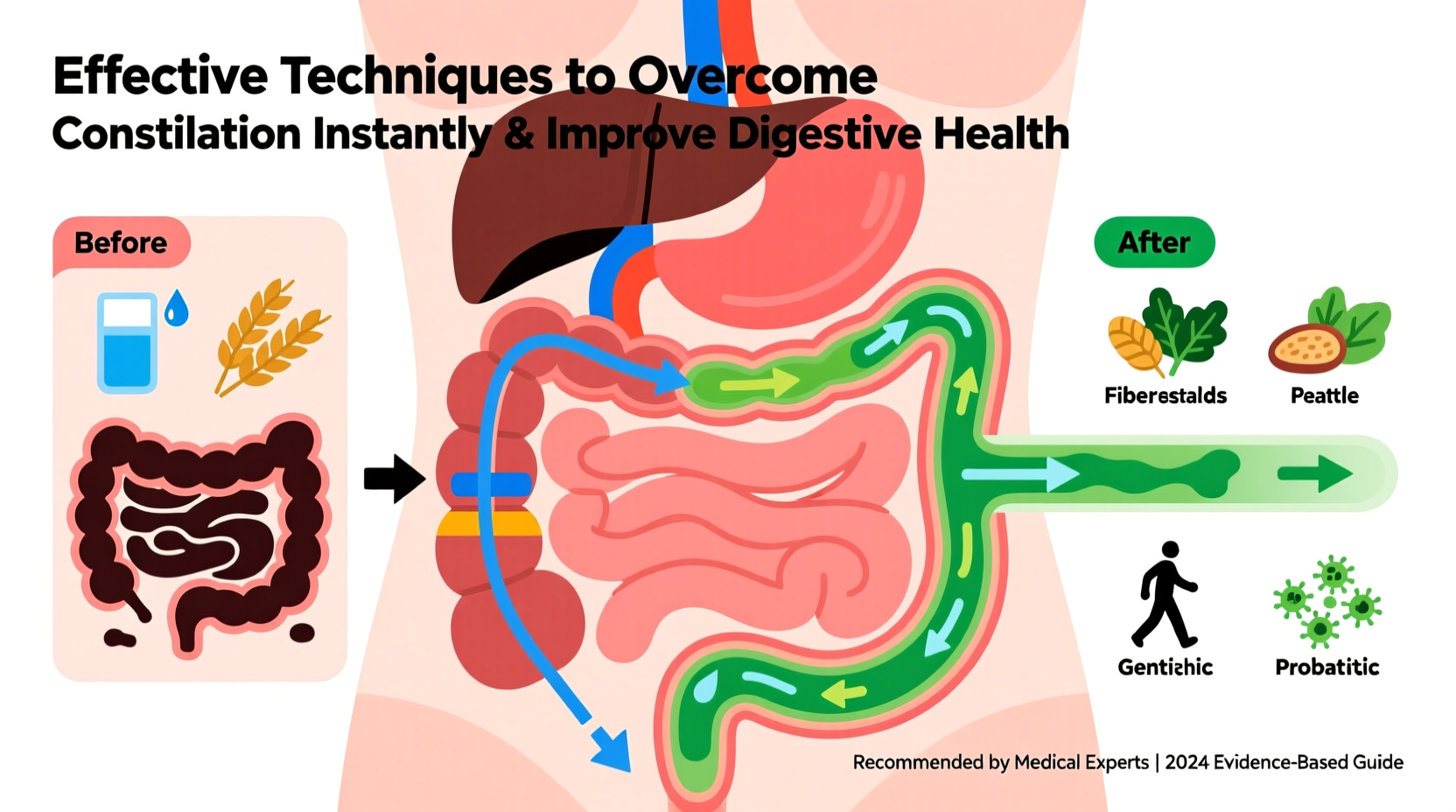
When constipation strikes, waiting isn’t always an option. Certain strategies can stimulate bowel activity in as little as 30 minutes to a few hours. These are especially useful when you're dealing with acute discomfort or bloating.
One of the fastest methods is drinking warm liquids, particularly warm water with lemon or herbal teas like peppermint or ginger. Heat helps relax the gastrointestinal tract and signals the intestines to move. Consuming this first thing in the morning can kickstart peristalsis—the natural wave-like contractions that push waste through the colon.
Another instant technique is abdominal massage. Using gentle circular motions starting from the lower right abdomen (near the appendix), moving up toward the ribcage, across, and down the left side follows the natural path of the colon. Ten to fifteen minutes of daily massage has been shown in clinical studies to improve stool frequency and reduce straining.
For more urgent cases, over-the-counter options such as osmotic laxatives (e.g., polyethylene glycol) or suppositories can offer relief within 15–60 minutes. While these should not be used daily, they are safe for occasional use under proper guidance.
Natural Dietary Adjustments for Long-Term Digestive Health
Diet plays the most significant role in preventing and managing constipation. Fiber is the cornerstone—both soluble and insoluble types contribute uniquely to healthy digestion. Soluble fiber absorbs water and forms a gel-like substance that softens stool, while insoluble fiber adds bulk and speeds transit time.
Foods rich in both include chia seeds, flaxseeds, oats, apples, pears, legumes, broccoli, and leafy greens. Aiming for at least 25–35 grams of fiber daily is ideal, but increasing intake too quickly can cause gas and bloating. Gradual integration over one to two weeks allows the gut microbiome to adapt.
Hydration is equally critical. Fiber needs water to function effectively. Without adequate fluids, high-fiber diets can actually worsen constipation. Aim for at least 2–2.5 liters of water per day, adjusting upward in hot climates or during physical activity.
“Fiber without sufficient fluid is like trying to flush a pipe with sand—eventually it clogs. Balance is key.” — Dr. Lena Torres, Gastroenterologist
Step-by-Step Guide to Daily Bowel Regularity
Establishing a routine supports your body’s internal clock, known as the gastrocolic reflex—the natural increase in intestinal activity after eating, especially breakfast. Following these steps each morning can train your bowels for consistent movement:
- Wake up and hydrate: Drink a glass of warm water immediately upon rising.
- Wait 10 minutes, then eat breakfast: Include protein, healthy fats, and fiber (e.g., oatmeal with berries and nuts).
- Visit the bathroom 15–30 minutes after eating: Sit on the toilet even if you don’t feel urgency. Over time, your body will respond predictably.
- Adopt the optimal posture: Use a small footstool to elevate your knees above your hips, mimicking a squatting position to straighten the rectum.
- Don’t rush or strain: Allow 5–10 minutes without pressure. If nothing happens, stand up and try again later.
Lifestyle Factors That Influence Digestion
Beyond food and hydration, movement and mental state significantly affect bowel function. Physical activity increases blood flow to the digestive organs and stimulates intestinal contractions. Even a brisk 20-minute walk after meals can enhance motility.
Chronic stress, on the other hand, activates the sympathetic nervous system (“fight or flight”), which slows digestion. Practices like diaphragmatic breathing, meditation, or yoga activate the parasympathetic system (“rest and digest”), encouraging regular bowel movements.
| Lifestyle Factor | Positive Impact | Negative Impact |
|---|---|---|
| Regular Exercise | Promotes intestinal motility | Sedentary behavior slows digestion |
| Mindful Eating | Improves enzyme release and digestion | Eating on the go reduces digestive efficiency |
| Consistent Sleep | Regulates circadian rhythm of gut function | Insomnia or shift work disrupts bowel patterns |
| Stress Management | Supports healthy gut-brain axis | Chronic anxiety leads to constipation or IBS |
Mini Case Study: From Chronic Constipation to Daily Regularity
Sarah, a 34-year-old office worker, struggled with infrequent bowel movements for years—sometimes going four to five days without a stool. She relied on stimulant laxatives, which eventually led to dependency and worsening symptoms.
After consulting a nutritionist, she made gradual changes: added chia seeds to her morning smoothie, drank two liters of water daily, began walking 30 minutes after dinner, and practiced five minutes of deep breathing before bed. She also started using a footstool and set a fixed bathroom time each morning.
Within three weeks, Sarah experienced daily bowel movements without straining. After two months, she no longer needed laxatives. Her energy improved, and bloating disappeared. Her case illustrates how combining simple, consistent actions can yield profound results.
Checklist for Immediate and Sustainable Constipation Relief
- ✅ Drink a glass of warm water upon waking
- ✅ Eat a high-fiber breakfast with healthy fats
- ✅ Take a 15–20 minute walk after meals
- ✅ Perform abdominal massage in a clockwise motion
- ✅ Use a footstool to optimize toilet posture
- ✅ Limit processed foods and dairy if sensitive
- ✅ Practice stress-reduction techniques daily
- ✅ Monitor fiber and water intake consistently
Frequently Asked Questions
Can coffee help relieve constipation?
Yes, for some people. Coffee—especially black coffee—can stimulate colonic activity by increasing gastrin release. However, excessive consumption may lead to dehydration, which counteracts its benefits. Moderation is key.
Is it dangerous to ignore the urge to defecate?
Yes. Delaying bowel movements regularly can weaken rectal nerves over time, reducing sensitivity and leading to chronic constipation. Responding promptly helps maintain healthy reflexes.
Are probiotics effective for constipation?
Certain strains, such as Bifidobacterium lactis and Lactobacillus casei, have demonstrated efficacy in improving stool frequency and consistency. Results vary by individual, so choosing clinically studied strains is important.
Conclusion: Take Control of Your Digestive Wellness Today
Constipation is common, but it’s not something you must endure. From immediate tactics like hydration and abdominal massage to long-term lifestyle shifts involving diet, movement, and mindset, real relief is within reach. The body responds remarkably well to consistent, mindful care. You don’t need drastic measures—just small, deliberate changes repeated over time.




 浙公网安备
33010002000092号
浙公网安备
33010002000092号 浙B2-20120091-4
Comments
No comments yet. Why don't you start the discussion?