
Lint buildup on clothing is a common frustration that affects both appearance and fabric longevity. Whether it’s fuzzy cotton shirts, clingy synthetics, or delicate blends, lint accumulation dulls colors, roughens textures, and can make even clean clothes look worn. The root causes range from improper sorting to machine wear, but the good news is that most lint issues are preventable with the right habits and tools. Understanding how lint forms—and how to stop it—is essential for maintaining garment quality over time.
Understanding How Lint Forms in the Wash
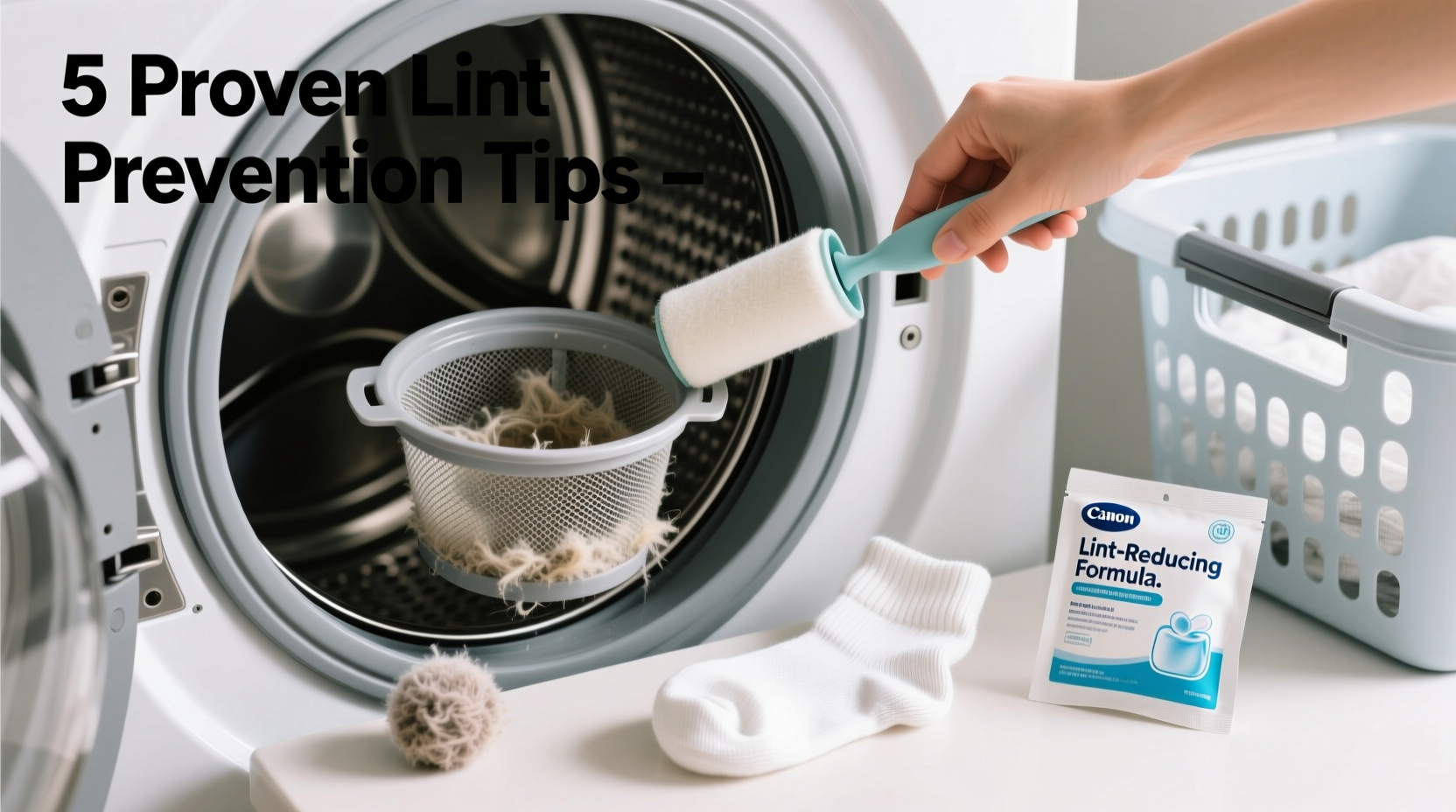
Lint consists of tiny fibers shed from fabrics during agitation in the washing process. Natural fibers like cotton are especially prone to shedding, but synthetic materials such as polyester also contribute when they break down due to friction. Over time, these loose fibers clump together and reattach to other garments, particularly those made of smoother or static-prone materials.
The primary factors contributing to lint transfer include:
- Fabric type: Loosely woven cottons (like t-shirts and towels) shed more than tightly knitted or blended fabrics.
- Wash cycle intensity: High-spin or heavy-duty cycles increase fiber abrasion.
- Water temperature: Hot water can weaken fibers faster, accelerating shedding.
- Overloading the machine: Crowded loads cause more rubbing between garments.
- Poor separation of laundry types: Washing lint-producers with lint-attractors creates cross-contamination.
“Lint isn’t just cosmetic—it signals early fabric degradation. Managing it properly extends the life of your wardrobe.” — Dr. Lena Patel, Textile Scientist at the Institute of Fabric Care
Preventive Measures to Minimize Lint Buildup
Prevention is far more effective than post-wash lint removal. By adjusting your laundry routine, you can significantly reduce lint production and transfer before it starts.
Sort Clothes by Fabric Type and Lint Tendency
Always separate high-lint garments (towels, cotton sweatshirts, flannel) from low-lint or lint-prone items (polyester jackets, dark dress shirts, silky fabrics). This simple step prevents loose fibers from migrating onto smooth surfaces.
Turn Clothes Inside Out Before Washing
This protects outer fabric surfaces from direct abrasion during tumbling. It’s especially useful for dark jeans, printed tees, and garments with decorative finishes.
Use Gentle Cycles and Cold Water
Cold water preserves fiber integrity better than hot water, reducing breakdown. Delicate or permanent press cycles minimize agitation, decreasing friction-induced shedding.
Avoid Overloading the Washer
Crowded drums restrict movement, forcing clothes to rub against each other excessively. Leave enough space so garments can move freely—about an arm’s width clearance at the top of the drum.
Incorporate Mesh Laundry Bags
Place delicate or lint-prone items (like lace blouses or lightweight sweaters) in fine-mesh bags. These act as physical barriers, limiting exposure to stray fibers and mechanical stress.
Effective Step-by-Step Guide to Remove Existing Lint
If lint has already accumulated, don’t resort to pulling it off by hand. Use targeted methods to safely restore your clothes’ appearance.
- Damp Cloth Method: Lightly dampen a microfiber cloth and gently wipe the surface of the garment in one direction. The moisture helps lift lint without damaging fabric.
- Lint Roller Routine: Roll adhesive sheets over affected areas. For reusable options, wash the roller according to instructions to maintain stickiness.
- Rubber Glove Trick: Wear a clean rubber or latex glove and run your hand over the fabric. Static helps gather lint into clumps that can be easily removed.
- Vacuum with Attachment: Use a handheld vacuum with a soft brush attachment on low suction. Ideal for bulky items like coats or upholstery.
- Wash with Vinegar: Add ½ cup of white vinegar to the rinse cycle. It softens fibers and loosens embedded lint, helping flush it away.
Do’s and Don’ts: Best Practices Summary
| Do | Don’t |
|---|---|
| Wash towels separately from other clothes | Mix heavy cottons with synthetic fabrics |
| Use cold water for everyday loads | Wash delicate items on heavy-duty settings |
| Turn lint-shedding clothes inside out | Overload the washing machine |
| Run an empty hot vinegar cycle monthly to clean washer drum | Ignore visible lint traps or filters |
| Empty the lint filter after every dry cycle (if using dryer) | Use fabric softener excessively—it coats fibers and traps lint |
Real-World Example: A Busy Parent’s Laundry Fix
Sarah, a mother of two in Portland, noticed her family’s dark-colored shirts were constantly covered in white fuzz after washing. After tracking her routine, she realized she was combining kids’ cotton pajamas and bath towels with dad’s work polo shirts. Once she started separating towels into their own load and switching to cold water cycles, lint dropped by over 80%. She also began using mesh bags for the polos and added a half-cup of vinegar to the rinse cycle. Within three weeks, her husband commented that his shirts looked “like new again.”
Checklist: Your Anti-Lint Laundry Routine
- ✅ Sort laundry: group lint producers and attractors separately
- ✅ Turn clothes inside out before loading
- ✅ Use cold water and gentle cycle settings
- ✅ Avoid overfilling the washer
- ✅ Place delicate items in mesh laundry bags
- ✅ Clean the washing machine drum monthly with vinegar
- ✅ Remove lint post-wash using a roller or damp cloth if needed
- ✅ Maintain dryer lint trap (even if line-drying, check occasionally)
Frequently Asked Questions
Why do my black pants collect so much lint?
Dark fabrics, especially smooth synthetics, show lint more visibly due to contrast. They also tend to generate static, which attracts loose fibers. Prevent this by avoiding mixed loads with cotton towels and using dryer sheets sparingly—or opt for wool dryer balls instead.
Can lint damage my washing machine?
Yes. Accumulated lint can clog drains, reduce efficiency, and even pose fire risks in dryers. Even front-load washers benefit from regular maintenance. Run a cleaning cycle with 1–2 cups of white vinegar monthly to dissolve residue and clear hidden lint.
Is there a long-term solution to reduce lint permanently?
While no method eliminates lint entirely, consistent sorting, proper washing techniques, and periodic deep cleaning of machines drastically reduce it over time. High-quality garments with tighter weaves also shed less, making strategic purchasing part of the solution.
Final Thoughts: Take Control of Your Laundry Quality
Lint may seem like a minor annoyance, but it reflects deeper laundry habits that impact the lifespan and appearance of your clothes. With mindful sorting, gentler washing practices, and a few smart tricks, you can keep your wardrobe looking crisp and well-maintained. The effort pays off not only in aesthetics but in cost savings—fewer replacements, longer wear, and better-performing fabrics.




 浙公网安备
33010002000092号
浙公网安备
33010002000092号 浙B2-20120091-4
Comments
No comments yet. Why don't you start the discussion?