
3D printed blankets have emerged as a unique fusion of technology and textile artistry, combining intricate design capabilities with functional warmth. However, one of the most common challenges users face is color degradation over time—especially when exposed to light, washing, or environmental stressors. Unlike traditional fabrics, 3D printed textiles often use thermoplastic materials like PLA, PETG, or TPU, which can be sensitive to UV exposure and mechanical wear. Preserving their original vibrancy requires more than just careful handling; it demands informed choices from material selection to post-processing and maintenance.
With the right approach, you can significantly extend the lifespan and visual appeal of your 3D printed blanket. From choosing fade-resistant filaments to applying protective coatings and adopting gentle cleaning routines, every step plays a role in maintaining color integrity. This guide explores proven strategies to keep your 3D printed blanket looking bold and fresh for years to come.
Selecting Fade-Resistant Filaments
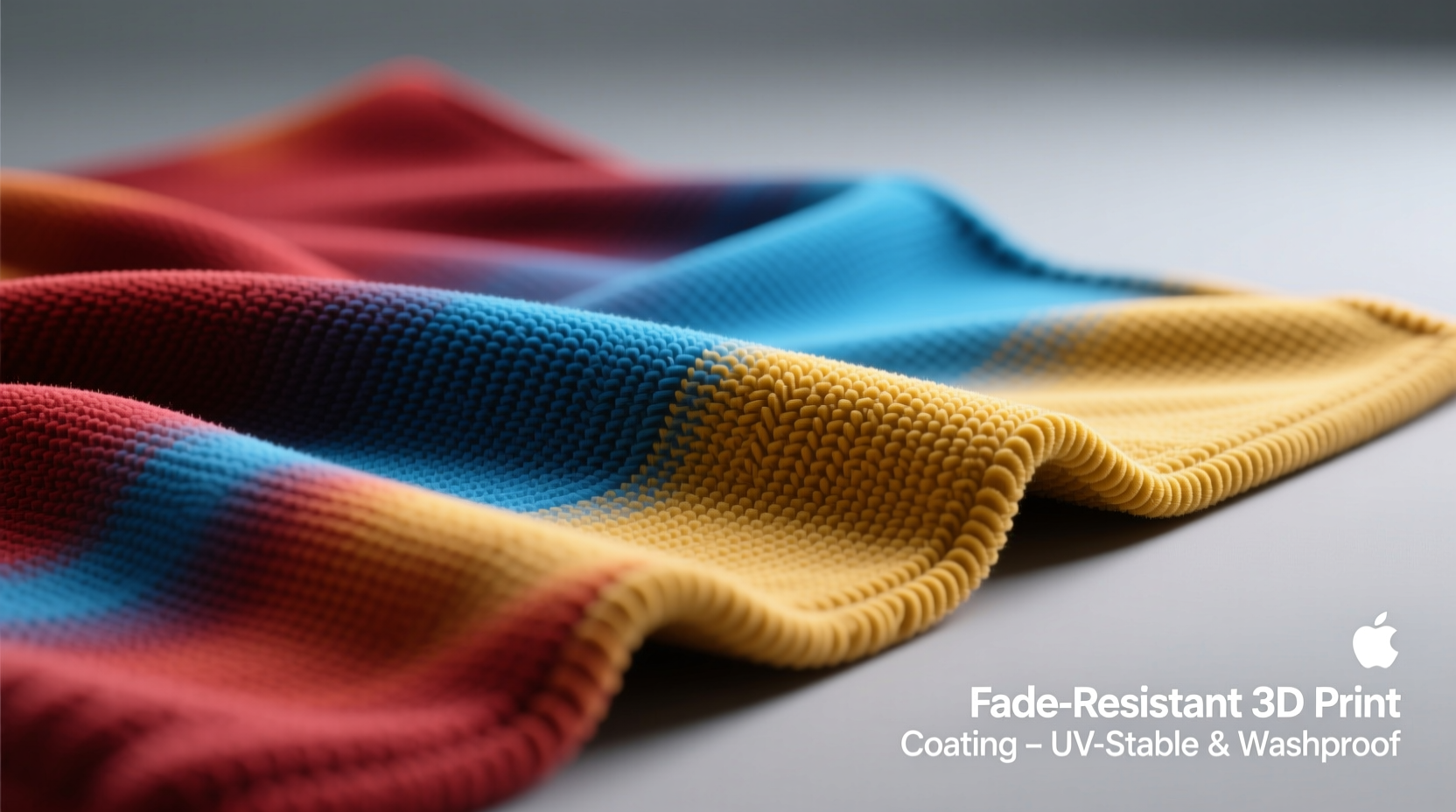
The foundation of long-lasting color begins at the filament stage. Not all printing materials respond equally to environmental factors. Some are inherently more prone to fading due to chemical composition and pigment stability.
PLA, while popular for its ease of printing and biodegradability, is particularly vulnerable to UV radiation. Prolonged sun exposure can cause yellowing and dullness, especially in brightly colored variants. In contrast, PETG and ASA offer superior resistance to both UV rays and thermal degradation. These materials are often used in outdoor applications for good reason—they retain color better under sunlight and resist oxidation.
Additionally, consider pigment type. Some manufacturers use organic dyes that degrade faster than inorganic pigments or carbon-based colorants. Look for filaments labeled “UV-protected,” “outdoor-grade,” or “fade-resistant.” Brands like ColorFabb and ProtoPasta offer specialty lines engineered for enhanced durability and color retention.
Optimizing Print Settings for Color Integrity
How you print matters just as much as what you print with. Poor layer adhesion or inconsistent extrusion can create micro-gaps where moisture and light penetrate, accelerating pigment breakdown.
Use a nozzle size appropriate for detail—0.4mm is standard—but consider increasing layer height slightly (e.g., 0.2mm instead of 0.1mm) to improve surface density. Thicker layers reduce porosity, creating a smoother barrier against environmental damage. Additionally, ensure your printer is calibrated so that extrusion rates are consistent; under-extrusion leaves weak spots vulnerable to fading.
Infill density also influences durability. While blankets don’t require structural strength, using at least 20–25% infill improves cohesion between layers and reduces internal air pockets that may trap humidity. For decorative surfaces, enable \"top solid layers\" (at least 4–6 layers) to build a dense outer shell that protects inner color layers.
“Print density directly impacts how well pigments are shielded from external stressors. A well-calibrated print acts as its own first line of defense.” — Dr. Lena Torres, Materials Scientist at Advanced Polymer Research Lab
Post-Processing Techniques to Enhance Longevity
After printing, surface treatment can dramatically improve fade resistance. Uncoated 3D prints have a porous texture that absorbs contaminants and allows UV light to scatter beneath the surface, degrading pigments over time.
One of the most effective solutions is applying a clear protective coating. Water-based polyurethane or acrylic sealants form a transparent film that blocks UV rays and repels moisture. Apply 2–3 thin coats using a soft brush or spray applicator, allowing full drying between layers. Avoid oil-based finishes, as they may react with certain plastics and cause cloudiness.
For a smoother aesthetic and improved protection, consider vapor smoothing with ethyl acetate (for PLA) or specialized solvents for ABS/PETG. This process slightly melts the surface, fusing layers into a glossy, non-porous finish that resists fading far better than raw printed textures.
| Coating Type | Best For | UV Protection | Drying Time |
|---|---|---|---|
| Water-Based Polyurethane | Indoor blankets, child-safe use | High | 2–4 hours |
| Spray Acrylic Sealer | Quick application, even coverage | Moderate | 30–60 minutes |
| Epoxy Resin (thin coat) | Durable outdoor use | Very High | 12–24 hours |
| Vapor Smoothing | Professional-grade finish | Good (when combined with topcoat) | Immediate + curing |
Proper Care and Maintenance Routine
Even the best-printed blanket will fade prematurely without proper care. Unlike knitted fabrics, 3D printed textiles should never be machine-washed or tumble-dried. Agitation and heat can crack layers, loosen bonds, and strip away protective finishes.
Instead, spot-clean stains with a damp cloth and mild soap. For deeper cleaning, hand wash gently in lukewarm water (below 30°C / 86°F), avoiding prolonged soaking. Rinse thoroughly and lay flat on a clean towel to dry—never hang, as gravity can stretch the structure over time.
Storage is equally important. Keep the blanket folded loosely in a cool, dark drawer or cotton storage bag. Avoid plastic bins, which can trap moisture and encourage mold growth. If storing long-term, place silica gel packets nearby to control humidity.
Step-by-Step Cleaning Guide
- Remove loose debris with a soft brush or lint roller.
- Moisten a microfiber cloth with water and a drop of pH-neutral soap.
- Gently dab stained areas—do not scrub.
- Rinse cloth and wipe again to remove soap residue.
- Lay flat on a dry towel, reshaping edges as needed.
- Allow to air-dry completely (6–12 hours) away from direct sunlight.
- Once dry, inspect and reapply sealant if surface appears worn.
Real-World Example: The Community Art Project Blanket
A collaborative art installation in Portland featured a large 3D printed blanket made from donated PLA scraps, each section representing a different community member’s story. Within six months of being displayed near a sunlit window, noticeable fading occurred on red and purple segments.
The team responded by rotating the blanket monthly, covering it with a UV-filtering glass case during peak daylight, and recoating all panels with a water-based polyurethane sealant. They also replaced high-fade sections with PETG versions in subsequent updates. Over two years, these changes reduced visible fading by an estimated 70%, proving that proactive preservation measures make a measurable difference—even in public settings.
Frequently Asked Questions
Can I use fabric protectant sprays on 3D printed blankets?
Only if specifically labeled safe for plastics. Most fabric protectants contain solvents or silicones that can degrade thermoplastics over time. Instead, use plastic-safe sealant sprays designed for models or outdoor signage.
Will painting my 3D printed blanket help prevent fading?
Yes, but only if done correctly. Use flexible acrylic paints formulated for plastics (e.g., Plasti Dip or Citadel paints), followed by a clear UV-resistant topcoat. Rigid paints may crack during use, exposing underlying layers to damage.
How often should I reapply protective coatings?
Every 6–12 months for frequently used blankets, or after any deep cleaning. Inspect the surface annually—if colors appear chalky or water no longer beads, it’s time to reseal.
Preservation Checklist
- ✅ Choose UV-resistant filament (PETG, ASA, or treated PLA)
- ✅ Print with dense top layers (4–6 layers) and adequate infill
- ✅ Apply a clear, UV-blocking sealant after printing
- ✅ Store in a cool, dark, dry place away from direct sunlight
- ✅ Clean only with damp cloths—never machine wash
- ✅ Reapply protective coating annually or as needed
Final Thoughts
Preserving the vibrancy of a 3D printed blanket isn’t about perfection—it’s about intention. Every choice, from filament type to storage location, contributes to how well your creation stands the test of time. By integrating durable materials, smart printing practices, and gentle maintenance, you can enjoy bold colors and intricate designs for years without compromise.




 浙公网安备
33010002000092号
浙公网安备
33010002000092号 浙B2-20120091-4
Comments
No comments yet. Why don't you start the discussion?