
Fur sweaters, whether made from natural animal fibers or high-quality faux fur, are luxurious additions to any wardrobe. Their soft texture and timeless elegance make them a favorite for cold-weather styling. However, one common issue undermines their appeal: shedding. Over time, loose fibers can compromise both appearance and durability. The good news is that with proper care, most shedding can be minimized, and the lifespan of your fur sweater significantly extended. This guide outlines scientifically sound and field-tested methods to preserve your garment’s integrity, comfort, and beauty.
Understanding Why Fur Sweaters Shed
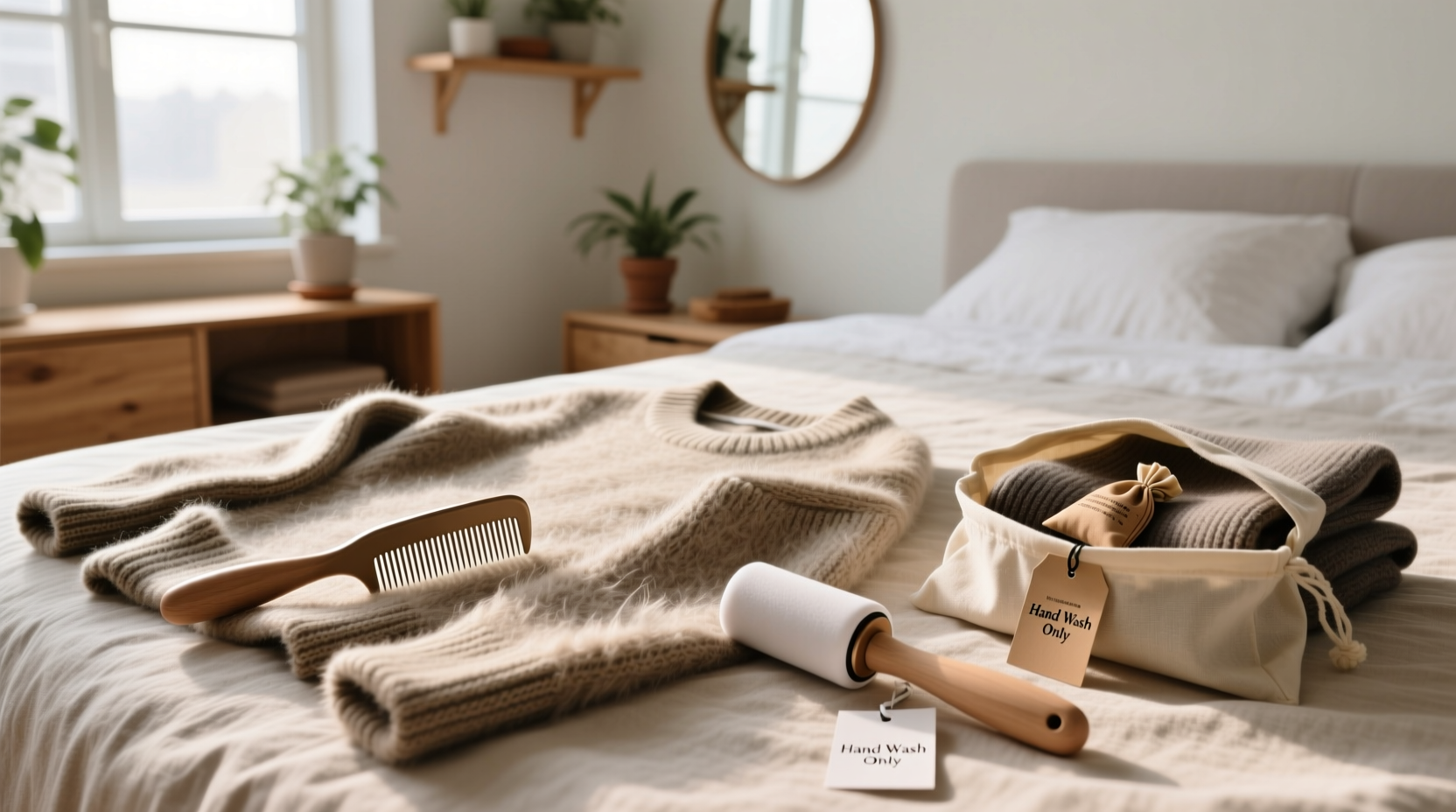
Shedding in fur sweaters—especially those with long pile or brushed textures—is often misunderstood. It's not always a sign of poor quality. Natural shedding occurs as loose fibers detach during wear and cleaning. In faux fur, shedding may result from weak fiber anchoring during manufacturing. In real fur, it can stem from seasonal molting patterns preserved in the pelt. Environmental stressors like dry air, friction from seat belts, or improper washing accelerate this process.
The key is distinguishing normal fiber release from excessive shedding caused by neglect or misuse. When managed correctly, even delicate fur sweaters can last a decade or more without significant degradation.
“Fur maintenance isn’t about eliminating shedding entirely—it’s about managing it through consistent, gentle care.” — Lena Moreau, Textile Conservator at the Paris Fashion Archive
Step-by-Step Guide to Minimizing Shedding
Preventing excessive shedding requires a proactive approach. Follow this five-step routine to maintain fiber integrity and reduce fiber loss over time.
- Air Out After Wearing: Hang your fur sweater in a well-ventilated area away from direct sunlight for 30 minutes after use. This removes moisture and reduces static buildup, which pulls fibers loose.
- Brush Gently Once Weekly: Use a soft-bristle clothes brush or a specialized fur comb. Always brush in the direction of the nap to detangle without pulling out anchored fibers.
- Vacuum Lightly Every Two Weeks: Set your vacuum to low suction and use a mesh screen or pantyhose over the nozzle to protect fibers while removing surface dust.
- Spot Clean Spills Immediately: Blot liquids with a microfiber cloth; never rub. For oil-based stains, apply cornstarch, let sit for 15 minutes, then brush off.
- Deep Clean Every 4–6 Months: Hand wash in cold water with pH-neutral detergent or take to a professional furrier for safe cleaning.
Proper Storage Techniques to Preserve Longevity
How you store your fur sweater between seasons has a major impact on its lifespan. Poor storage leads to compressed fibers, mold growth, and increased shedding when worn again.
Use a wide, padded hanger to support shoulder seams and prevent stretching. Store in a breathable cotton garment bag—never plastic, which traps moisture and promotes mildew. Keep in a cool, dark closet with stable humidity (ideally 45–55%). Avoid cedar-lined closets if you own real fur, as the oils can dry out pelts.
| Storage Factor | Recommended Practice | Common Mistake |
|---|---|---|
| Temperature | Below 70°F (21°C) | Attics or garages with temperature swings |
| Humidity | 45–55% RH | Damp basements leading to mildew |
| Light Exposure | Dark environment | Direct sunlight causing fading and brittleness |
| Container Type | Breathable cotton bag | Plastic bags trapping moisture |
Do’s and Don’ts for Daily Wear and Handling
Everyday habits play a crucial role in how well your fur sweater holds up. Small adjustments in behavior can drastically reduce wear and tear.
- Do layer under coats instead of wearing directly against skin to minimize oil transfer.
- Do rotate usage—avoid wearing the same fur sweater two days in a row to allow fibers to recover.
- Do keep jewelry and zippers covered or tucked to prevent snagging.
- Don’t spray perfume or hairspray directly on the sweater—chemicals degrade fibers.
- Don’t sit on upholstered furniture while wearing it—friction accelerates shedding.
- Don’t store folded for long periods—this creates permanent creases and weak spots.
Mini Case Study: Reviving a Heirloom Rabbit Fur Cardigan
Sophie, a vintage clothing collector in Montreal, inherited a rabbit fur cardigan from her grandmother. After years in a plastic bin, the sweater was matted and shedding heavily. She consulted a local fur restorer who advised a three-phase treatment: first, airing it outdoors for two hours; second, brushing with a boar bristle brush; third, professional steaming to rehydrate fibers. Within six weeks of adopting weekly brushing and cotton-bag storage, shedding decreased by over 80%. Today, the sweater remains a centerpiece of her winter collection—proof that proper care reverses damage and restores function.
Checklist: Monthly Fur Sweater Maintenance Routine
To ensure consistent care, follow this checklist each month during active use:
- ☑ Air out for 30 minutes post-wear
- ☑ Brush gently in nap direction
- ☑ Inspect for snags or loose seams
- ☑ Vacuum lightly with protective mesh
- ☑ Check storage conditions (humidity, pests)
- ☑ Rotate with other outerwear pieces
- ☑ Schedule professional cleaning every 4–6 months
FAQ: Common Questions About Fur Sweater Care
Can I wash my fur sweater at home?
You can hand wash faux fur in cold water with mild detergent, but real fur should only be cleaned by professionals. Home washing risks matting, shrinkage, and irreversible damage. Always check the care label first.
Why does my new fur sweater shed so much?
New garments often shed excess loose fibers left over from manufacturing. This typically subsides within the first few weeks of proper care. Frequent gentle brushing helps speed up the process.
How do I repair a small tear in the lining?
For minor lining tears, use a needle and silk thread to perform a blind stitch. Avoid sewing through the fur itself. If the outer fur is damaged, consult a furrier for patching or reweaving services.
Final Thoughts: Treat Fur Like Fine Art
Caring for a fur sweater goes beyond basic laundry routines. These garments respond to attention, climate, and handling like living materials. By treating them with the respect due to fine textiles—regular grooming, intelligent storage, and mindful wear—you preserve not just their appearance but their emotional value. Whether it’s an heirloom piece or a modern faux design, every fur sweater deserves a long, graceful life in your wardrobe.




 浙公网安备
33010002000092号
浙公网安备
33010002000092号 浙B2-20120091-4
Comments
No comments yet. Why don't you start the discussion?