
Walking your dog should be a relaxing ritual—a shared moment of connection, exercise, and mental stimulation. Yet for many pet owners, it quickly turns into a tug-of-war, with dogs straining forward, dragging their handlers down sidewalks. Leash pulling isn’t just exhausting; it can be dangerous for both dog and owner, especially near traffic or in crowded areas. The good news is that this behavior can be changed—not through force or intimidation, but with patience, consistency, and humane training strategies. By understanding canine motivation and applying proven techniques, you can transform walks into peaceful, enjoyable experiences.
Understanding Why Dogs Pull
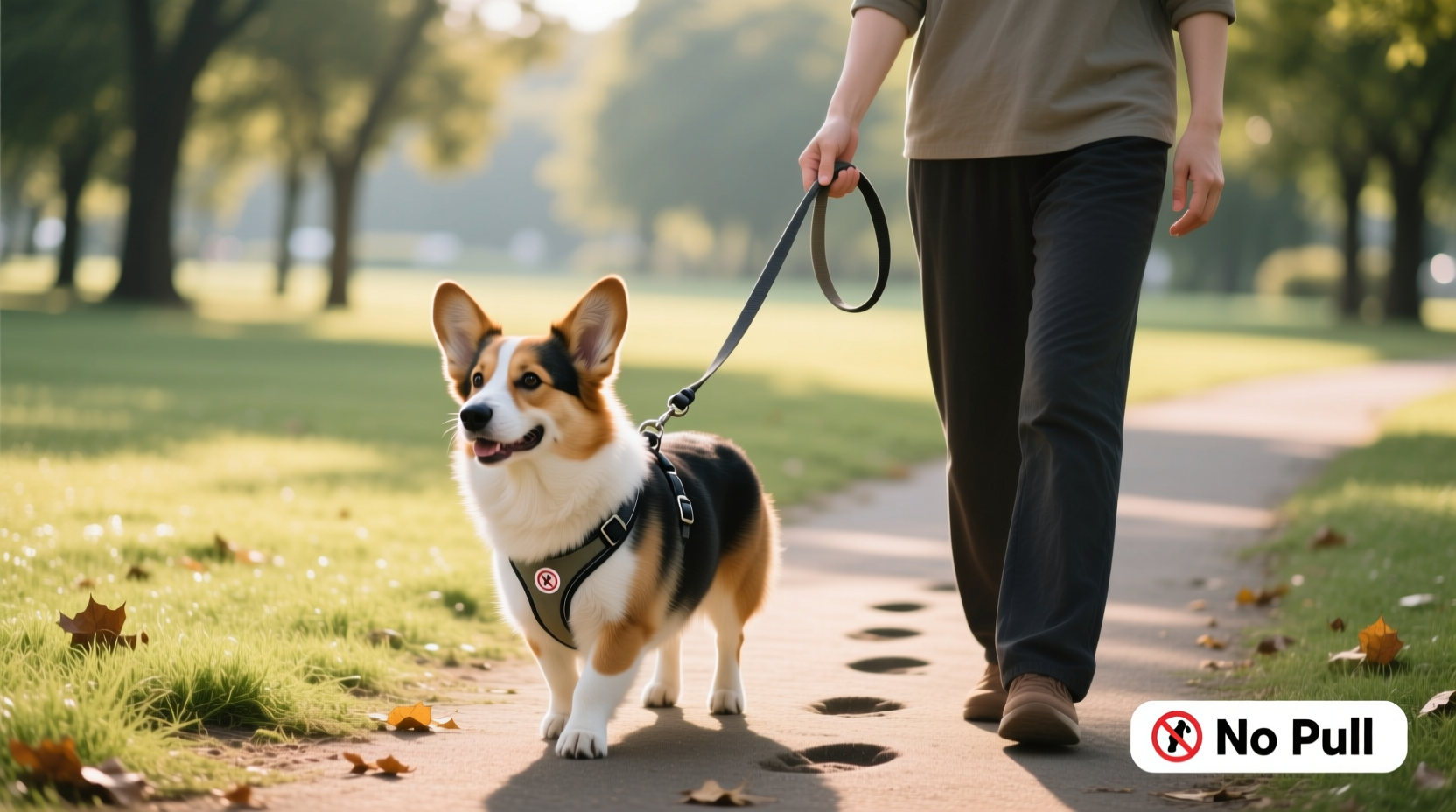
Dogs are naturally curious and driven by scent, movement, and exploration. When they’re on a leash, every squirrel, bird, or distant smell becomes an irresistible target. Pulling is not defiance—it’s simply a learned behavior reinforced by results: if your dog pulls ahead and reaches the object of interest, the action is rewarded. Over time, this creates a habit that’s difficult to break without intervention.
Traditional corrections like jerking the leash or using choke collars may suppress pulling temporarily, but they often increase anxiety and damage trust. Modern canine behavior science emphasizes positive reinforcement and redirection over punishment. The goal isn’t to dominate the dog, but to teach them that walking calmly beside you leads to better outcomes—more freedom, more rewards, and longer walks.
Step-by-Step Guide to Loose-Leash Walking
Loose-leash walking means your dog stays within a defined zone (usually one to two feet) beside you without tension on the leash. This doesn’t happen overnight, but with structured practice, most dogs learn within a few weeks. Follow this timeline to build the skill gradually:
- Start in a low-distraction environment—like your backyard or quiet driveway. Practice for 5–10 minutes daily.
- Use a front-clip harness or head collar to gently guide your dog’s direction without neck strain.
- Begin walking and mark calm behavior with a clicker or verbal cue like “yes” the moment the leash stays slack.
- Immediately reward with a treat delivered close to your leg so your dog learns to stay near you.
- When your dog pulls, stop walking. Stand still until the leash relaxes, then mark and reward.
- Turn and change direction if your dog surges ahead. This teaches them that pulling doesn’t get them where they want to go.
- Gradually increase distractions—move to sidewalks, parks, and busier areas as your dog improves.
Consistency is critical. Everyone in the household must use the same cues and responses. Random reinforcement—sometimes allowing pulling, sometimes correcting—confuses the dog and slows progress.
Choosing the Right Equipment
The right gear can make a significant difference in comfort and control. Not all collars and leashes are created equal, and some tools are designed specifically to discourage pulling without causing harm.
| Equipment | Best For | Pros | Cons |
|---|---|---|---|
| Front-Clip Harness | Dogs that pull strongly | Redirects momentum, reduces strain on neck | May require adjustment period |
| Head Collar (e.g., Gentle Leader) | Dogs easily distracted or reactive | Offers gentle steering control | Some dogs resist at first; needs proper fitting |
| Standard Back-Clip Harness | Calm walkers or small breeds | Comfortable, widely available | Can encourage pulling in strong dogs |
| 6-Foot Nylon Leash | Most training scenarios | Predictable length, easy to manage | Avoid retractable leashes—they reinforce pulling |
Real Example: Transforming Max, the Eager Beagle
Max, a three-year-old beagle, pulled so hard on walks that his owner, Sarah, developed shoulder pain. Every outing became a battle. She tried yanking the leash and scolding, but Max only pulled harder when he caught a scent.
Working with a certified trainer, Sarah switched to a front-clip harness and began practicing loose-leash walking in her quiet neighborhood. She carried boiled chicken treats and used a clicker to mark moments when Max stayed beside her. At first, walks were short—just five minutes—but she celebrated every step without tension.
Within three weeks, Max started checking in with Sarah during walks, looking up for treats instead of lunging forward. After six weeks, they walked confidently through a local park, pausing occasionally for rewards. The transformation wasn’t due to dominance, but to clear communication and positive reinforcement. Max learned that self-control led to more freedom, not less.
“Dogs don’t pull to challenge us—they pull because we haven’t taught them a better way. Reward the behavior you want, and the unwanted habits fade.” — Dr. Karen Becker, DVM, Canine Behavior Specialist
Common Mistakes That Undermine Progress
Even well-intentioned owners can accidentally reinforce pulling. Avoid these common pitfalls:
- Allowing even brief moments of pulling: If your dog pulls for three steps before getting a treat, they learn that pulling works part of the time.
- Inconsistent rewards: Skipping treats too soon or rewarding only perfect behavior can frustrate learning.
- Using retractable leashes: These teach dogs that pulling earns more freedom, making loose-leash training nearly impossible.
- Practicing only during real walks: Training requires focus. Dedicate separate sessions solely for practice, free from distractions.
- Expecting perfection too soon: Dogs learn at different paces. Celebrate small improvements and stay patient.
Checklist: Building a Pull-Free Walk Routine
Use this checklist to ensure you’re setting yourself and your dog up for success:
- ✅ Choose a front-clip harness or head collar suited to your dog’s size and temperament.
- ✅ Stock up on small, smelly treats for high motivation.
- ✅ Schedule 5–10 minute training sessions daily in a quiet area.
- ✅ Use a consistent cue like “let’s go” or “with me” to start walking.
- ✅ Stop immediately when the leash tightens; wait for slack before continuing.
- ✅ Reward frequently at first, then gradually phase out treats as behavior becomes reliable.
- ✅ Increase difficulty slowly—add distractions only after mastery in simpler environments.
- ✅ Involve all family members in training to maintain consistency.
Frequently Asked Questions
How long does it take to stop a dog from pulling?
Most dogs show improvement within 2–4 weeks of consistent daily practice. Full reliability in distracting environments may take 2–3 months. Puppies and highly energetic breeds often require more time and repetition.
Can older dogs learn not to pull?
Absolutely. While habits take longer to change in adult dogs, their ability to learn remains strong. Older dogs may benefit from shorter, more frequent sessions and higher-value rewards to stay engaged.
Should I use a no-pull collar?
Devices like front-clip harnesses are safe and effective. Avoid aversive tools such as prong or shock collars, which can cause fear and aggression. The goal is cooperation, not compliance through discomfort.
Final Thoughts: A Walk Worth Taking
Stopping leash pulling isn’t about controlling your dog—it’s about teaching them a language they understand. When you replace frustration with clarity, resistance with reward, you build not just better walks, but a deeper bond. Every pause, turn, and treat is a conversation: “This way is better.” With time, your dog will choose to walk beside you, not because they have to, but because it feels right.




 浙公网安备
33010002000092号
浙公网安备
33010002000092号 浙B2-20120091-4
Comments
No comments yet. Why don't you start the discussion?