
Muscle spasms—sudden, involuntary contractions of one or more muscles—are common and often painful. They can strike during physical activity, at rest, or even while sleeping. While most are harmless and resolve quickly, frequent or severe spasms may indicate underlying issues such as dehydration, electrolyte imbalances, nerve compression, or overuse. Addressing them promptly not only brings relief but also helps prevent future episodes. This guide outlines science-supported methods to manage spasms effectively and sustainably.
Immediate Relief Techniques for Active Muscle Spasms
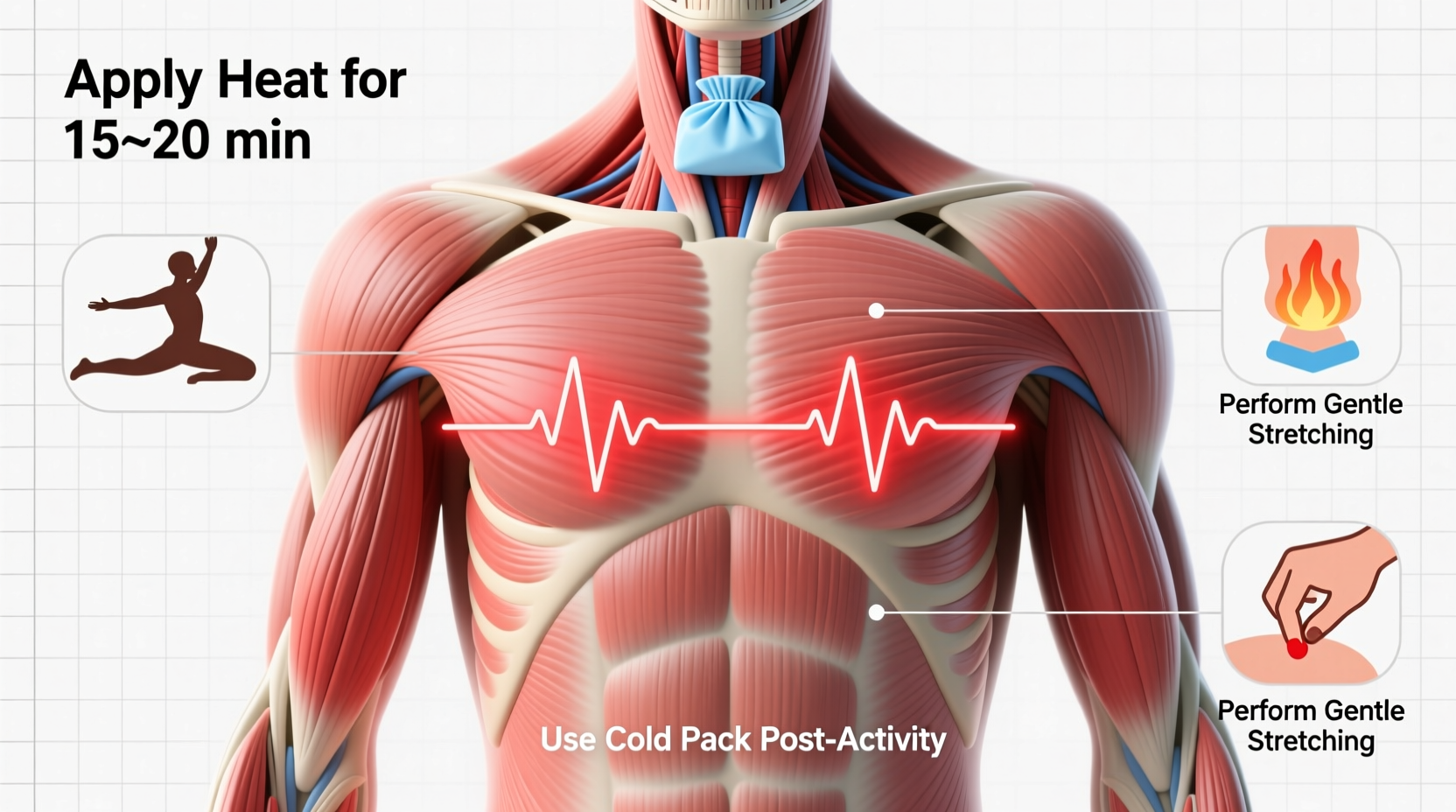
When a spasm strikes, quick action can reduce pain and shorten its duration. The key is to interrupt the cycle of contraction and promote relaxation.
- Stretch Gently: Slowly stretch the affected muscle. For example, if your calf cramps, flex your foot upward to lengthen the muscle. Hold for 20–30 seconds.
- Apply Heat or Cold: Use a warm towel or heating pad for tight, knotted muscles. For acute pain or inflammation, ice packs (wrapped in cloth) can help numb discomfort.
- Massage the Area: Apply firm but gentle pressure using circular motions. This increases blood flow and signals the muscle to relax.
- Hydrate Immediately: Drink water or an electrolyte-rich beverage, especially if the spasm occurred during or after exercise.
- Change Position: If sitting or lying triggers the spasm, shift posture. Avoid positions that compress nerves or restrict circulation.
Long-Term Prevention Strategies
Preventing recurrence requires addressing root causes. Many spasms stem from lifestyle factors that can be modified with consistent effort.
Stay Hydrated Throughout the Day
Dehydration is a leading cause of muscle spasms. Water supports electrolyte balance and optimal nerve-muscle communication. Aim for at least 8 cups daily, more if active or in hot climates.
Maintain Electrolyte Balance
Potassium, magnesium, calcium, and sodium regulate muscle function. Deficiencies—especially in magnesium and potassium—are linked to increased spasm frequency.
| Nutrient | Role in Muscle Function | Dietary Sources |
|---|---|---|
| Magnesium | Regulates muscle contractions and nerve signals | Spinach, almonds, avocado, black beans |
| Potassium | Helps maintain fluid balance and electrical gradients | Bananas, sweet potatoes, oranges, coconut water |
| Calcium | Triggers muscle contraction | Dairy, kale, fortified plant milks |
| Sodium | Supports nerve impulse transmission | Natural salts in foods; replenish after heavy sweating |
Incorporate Regular Stretching and Mobility Work
Tight muscles are more prone to spasms. Daily stretching, particularly before bed or after workouts, reduces tension. Focus on major muscle groups like calves, hamstrings, quads, and lower back.
“Daily static stretching decreases muscle spindle sensitivity, making sudden contractions less likely.” — Dr. Lena Patel, Sports Medicine Physician
Step-by-Step Guide to Managing Recurrent Spasms
If you experience frequent muscle spasms, follow this structured approach to identify and correct contributing factors.
- Track Episodes: Note when and where spasms occur, duration, possible triggers (e.g., exercise, diet, sleep position).
- Assess Hydration and Diet: Evaluate daily fluid intake and consumption of key electrolytes.
- Review Medications: Some drugs (like diuretics or statins) increase spasm risk. Consult your doctor if you suspect a link.
- Introduce Targeted Exercise: Strengthen weak muscles and improve endurance. Include low-impact activities like swimming or cycling.
- Optimize Sleep Posture: Use supportive pillows and avoid positions that shorten muscles (e.g., pointed toes during sleep).
- Consult a Healthcare Provider: If spasms persist despite self-care, seek evaluation for nerve issues, vascular problems, or metabolic conditions.
Common Triggers and How to Avoid Them
Awareness of personal triggers is essential for prevention. Below are frequent culprits and actionable solutions.
- Overexertion: Gradually increase workout intensity. Warm up properly and cool down with stretches.
- Poor Circulation: Avoid prolonged sitting or standing. Take movement breaks every hour.
- Caffeine and Alcohol: Both can contribute to dehydration and disrupt electrolyte levels. Limit intake, especially in the evening.
- Stress and Fatigue: Chronic stress increases muscle tension. Practice relaxation techniques like deep breathing or meditation.
- Improper Footwear: Shoes lacking support alter gait and strain leg muscles. Replace worn-out shoes regularly.
Mini Case Study: Overcoming Nighttime Leg Cramps
Sarah, a 52-year-old office worker, began experiencing severe calf cramps several times a week, often waking her from sleep. She initially dismissed them as age-related, but after two months of disrupted rest, she consulted a physiotherapist. Evaluation revealed low magnesium levels and poor hydration. Her desk job meant long hours seated without movement, and she drank minimal water daily.
The therapist recommended a plan: drink at least 2 liters of water per day, take a magnesium glycinate supplement at night, perform seated calf raises hourly at work, and do a short stretching routine before bed. Within three weeks, Sarah’s cramps decreased in frequency and intensity. After six weeks, they stopped entirely. Blood tests confirmed improved magnesium levels, and she reported better overall energy and sleep quality.
Checklist: Prevent Muscle Spasms Effectively
Use this checklist weekly to stay on track:
- ✅ Drink at least 8 glasses of water daily
- ✅ Eat potassium- and magnesium-rich foods daily
- ✅ Stretch major muscle groups for 5–10 minutes
- ✅ Avoid prolonged sitting; move every hour
- ✅ Review medications with your doctor annually
- ✅ Wear supportive footwear, especially during activity
- ✅ Practice stress-reduction techniques (e.g., yoga, mindfulness)
- ✅ Maintain a consistent sleep schedule and posture
Frequently Asked Questions
Can muscle spasms be a sign of something serious?
Occasional spasms are usually benign. However, frequent or worsening spasms—especially when accompanied by swelling, weakness, numbness, or changes in skin color—may signal nerve compression, vascular disease, or neurological conditions. Seek medical advice if symptoms persist or interfere with daily life.
Is it better to use heat or ice for muscle spasms?
Heat works best for chronic tightness or knots, helping relax contracted muscles. Ice is preferable during acute pain or inflammation. Alternating both (contrast therapy) can enhance circulation and recovery in stubborn cases.
How long should a muscle spasm last?
Most spasms last from a few seconds to several minutes. If a spasm lasts longer than 10 minutes or doesn’t respond to stretching and hydration, consult a healthcare provider to rule out underlying issues.
Take Control of Your Muscle Health
Muscle spasms don’t have to be a regular part of life. With targeted hydration, balanced nutrition, consistent movement, and mindful recovery habits, you can significantly reduce both the severity and frequency of episodes. Small daily actions—like drinking enough water, stretching before bed, or choosing nutrient-dense meals—compound into lasting improvements. Don’t wait for discomfort to dictate your routine. Start integrating these strategies today and move with greater ease and confidence tomorrow.




 浙公网安备
33010002000092号
浙公网安备
33010002000092号 浙B2-20120091-4
Comments
No comments yet. Why don't you start the discussion?