
Finding a fresh foundation stain on your favorite shirt or blouse can be disheartening—especially if it’s right before an important event. Foundation is formulated to adhere to skin and resist smudging, which makes it notoriously difficult to remove from fabric. However, with the right approach, most foundation stains can be eliminated safely, preserving both the color and integrity of the material. The key lies in prompt action, proper product selection, and understanding how different fabrics respond to cleaning agents.
This guide breaks down proven, non-damaging techniques for removing foundation stains from various types of clothing. From delicate silks to everyday cottons, you’ll learn how to treat stains effectively while minimizing the risk of fading, weakening fibers, or leaving residue behind.
Understanding Foundation Stains
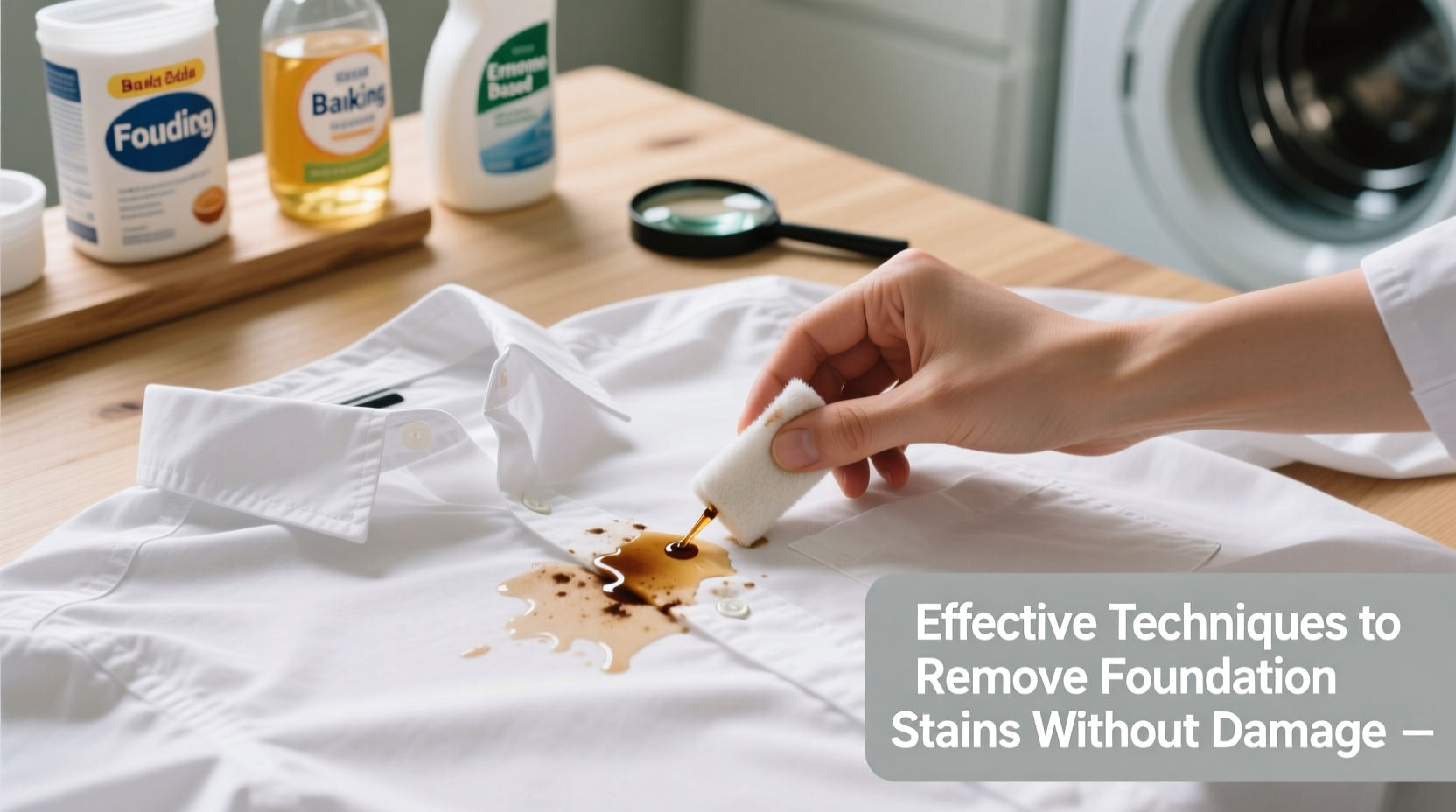
Fundamental to successful stain removal is knowing what you’re dealing with. Most liquid and cream foundations contain oils (like mineral oil or silicone), pigments, emulsifiers, and sometimes sunscreen ingredients—all designed to stay put on skin. When transferred to fabric, these components bind to fibers quickly, especially when heat or time is involved. Oil-based stains spread easily and attract dirt, making them appear darker over time.
The longer a foundation stain sits, the more it oxidizes and bonds with fabric fibers. Immediate treatment significantly increases the chances of complete removal. Additionally, synthetic fabrics like polyester may trap oils more readily than natural fibers such as cotton, but they are also more sensitive to harsh chemicals.
“Foundation contains complex emollients that mimic skin absorption. On fabric, this means rapid wicking into fibers. Quick blotting and pre-treatment are essential.” — Dr. Lena Reyes, Textile Chemist at the Institute for Fabric Care
Step-by-Step Guide: Removing Foundation Stains Safely
Follow this detailed process to maximize stain removal success while protecting your garments:
- Act Immediately: As soon as you notice the stain, gently blot excess product with a clean, dry paper towel. Avoid rubbing, which pushes the stain deeper into the weave.
- Test First: Always test any cleaning agent on an inconspicuous area (like an inside seam) to ensure it won’t cause discoloration or damage.
- Pre-Treat with a Solvent: Apply a small amount of dish soap (like Dawn) directly to the stain. Dish soap is engineered to break down oils and is gentle on most fabrics. Use your fingertip or a soft toothbrush to work it in lightly.
- Let It Sit: Allow the detergent to penetrate for 5–10 minutes. For older stains, extend to 30 minutes, but don’t let it dry.
- Rinse with Cold Water: Hold the stained area under cold running water from the back side to push the stain out, not further in. Warm water can set oily residues.
- Apply a Secondary Treatment (if needed): If the stain persists, use isopropyl alcohol (70%) on a cotton pad. Dab—not rub—the area gently. Alcohol dissolves oil-based cosmetics but should be used sparingly on delicate fabrics.
- Wash Normally: Launder the garment according to the care label using the warmest water safe for the fabric. Add oxygen-based bleach (not chlorine) for white or color-safe items to help lift residual pigments.
- Air Dry and Check: Do not place the garment in the dryer until the stain is fully gone. Heat sets stains permanently. Inspect after drying; repeat treatment if necessary.
Do’s and Don’ts by Fabric Type
Different materials require tailored approaches. The wrong cleaner can degrade silk, shrink wool, or bleach color from synthetics. Refer to this table before treating any garment.
| Fabric Type | Recommended Treatment | Avoid |
|---|---|---|
| Cotton | Dish soap + oxygen bleach wash | Chlorine bleach on colored items |
| Polyester | Isopropyl alcohol dab + normal wash | High heat drying before stain removal |
| Silk | Blot only; use mild shampoo & cold water | Alcohol, baking soda, machine washing |
| Wool | Cold water rinse + wool-safe detergent | Aggressive scrubbing, wringing, heat |
| Rayon | Professional cleaning recommended; spot test first | Water saturation, alcohol, DIY pastes |
Real Example: Removing a Foundation Stain from a Silk Blouse
Sarah, a marketing executive, noticed a streak of foundation on her cream silk blouse just before a client presentation. Instead of panicking, she followed a cautious protocol. She laid the blouse flat on a towel, blotted the stain with a tissue, then mixed a few drops of baby shampoo with cold water. Using a clean cotton swab, she dabbed the solution around the edge of the stain inward to prevent spreading. After 15 minutes, she rinsed gently under cold water and laid it flat to dry. The stain lifted almost completely. She repeated once more before wearing it, and the blouse looked pristine. Sarah now keeps a travel-sized bottle of baby shampoo in her office drawer for future incidents.
Essential Tips for Delicate and Expensive Garments
Luxury fabrics demand extra caution. Silk, lace, and blends often react poorly to household cleaners. For high-value pieces:
- Use only pH-neutral detergents or those specifically labeled for delicates.
- Avoid abrasive tools—even soft brushes can abrade fine weaves.
- Never soak silk or rayon for extended periods; moisture weakens fibers.
- When in doubt, consult a professional cleaner and point out the nature of the stain.
Checklist: Foundation Stain Removal at a Glance
Keep this checklist handy for quick reference when dealing with makeup mishaps:
- ✅ Blot excess foundation immediately
- ✅ Identify fabric type and check care label
- ✅ Test cleaning solution on hidden area
- ✅ Apply dish soap or mild shampoo to stain
- ✅ Gently agitate with fingers or soft brush
- ✅ Rinse from reverse side with cold water
- ✅ Treat persistent stains with alcohol (if fabric allows)
- ✅ Wash per care instructions
- ✅ Air dry and inspect before rewashing or storing
Frequently Asked Questions
Can I use hairspray to remove foundation stains?
No. While some old-school remedies suggest hairspray due to its alcohol content, modern formulas often contain polymers and fragrances that can leave sticky residues or discolor fabric. Stick to pure isopropyl alcohol if needed, applied carefully.
What if the stain has already been dried or washed?
Heat and prior washing can set the oil, making removal harder—but not impossible. Re-treat with dish soap and let it sit for several hours or overnight. Then wash again in the hottest water safe for the fabric, adding oxygen-based bleach. Multiple treatments may be required.
Are natural remedies like baking soda or vinegar effective?
Vinegar can help cut through oil, but its acidity risks damaging protein-based fibers like silk and wool. Baking soda is mildly abrasive and may scratch delicate surfaces. These are better suited for sturdy cottons, and even then, use cautiously. A safer natural option is cornstarch or talcum powder to absorb fresh oil before washing.
Final Thoughts and Action Steps
Removing foundation stains doesn’t require expensive products or professional equipment—just knowledge, patience, and timely action. By understanding the composition of both the stain and the fabric, you can choose the safest, most effective method without risking damage. Prevention also plays a role: consider wearing a buffing cloth near your collar when applying makeup or using a makeup shield when dressing.
Start building a small stain-response kit with items like dish soap, cotton pads, and a soft brush. Keep it in your laundry room or even at work. With consistent care, your wardrobe can stay fresh and stain-free, no matter how many beauty routines come and go.




 浙公网安备
33010002000092号
浙公网安备
33010002000092号 浙B2-20120091-4
Comments
No comments yet. Why don't you start the discussion?