
Mildew on clothing is more than just an eyesore—it carries a musty odor, weakens fabric fibers, and can trigger allergies. Whether it's a favorite cotton shirt stored too long in a damp basement or gym clothes left in a laundry basket, mildew thrives in warm, humid environments. The good news: with the right approach, you can not only eliminate existing mildew but also create habits that stop it from returning. This guide delivers practical, science-backed methods for removal and long-term prevention, ensuring your wardrobe stays fresh, clean, and durable.
Understanding Mildew vs. Mold on Fabric
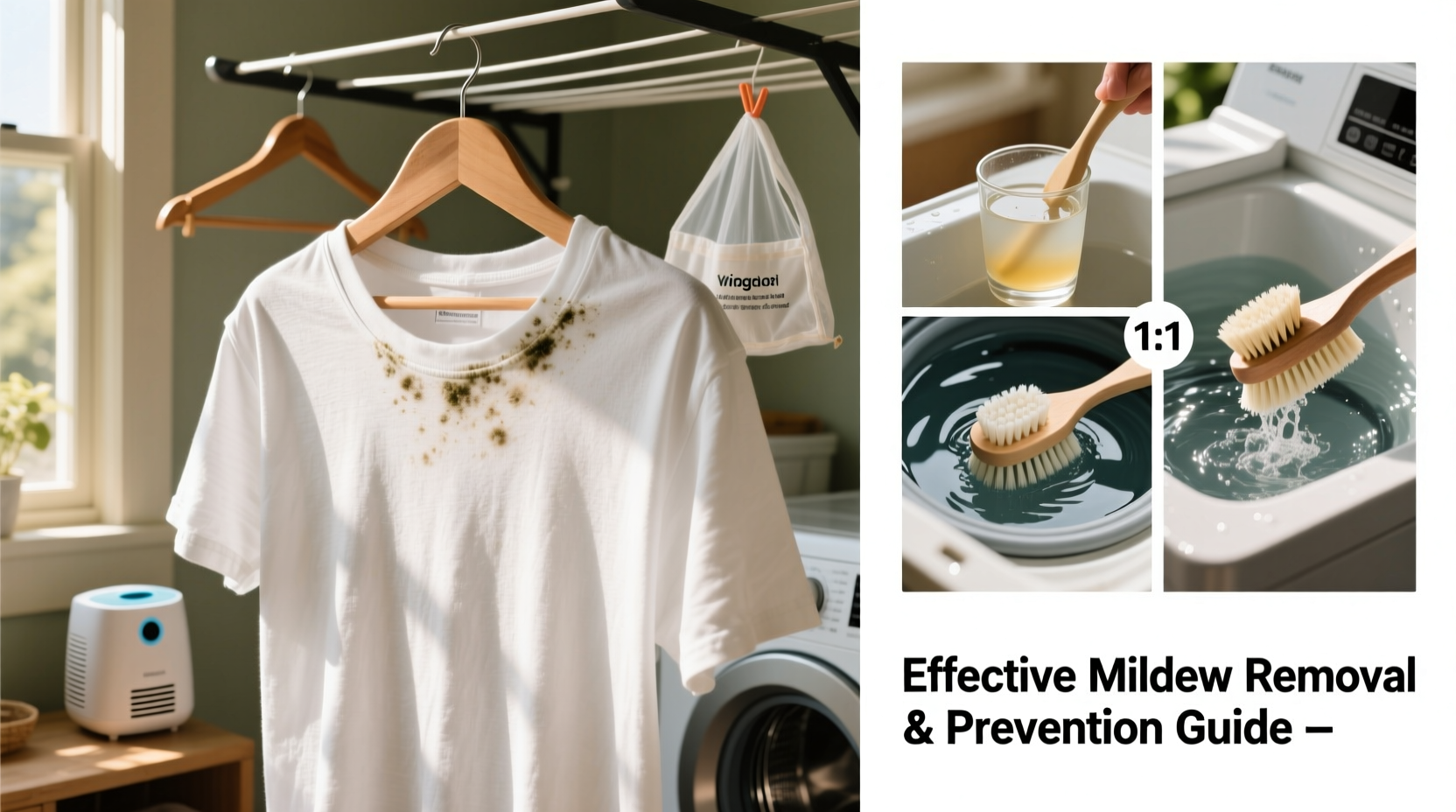
While often used interchangeably, mildew and mold are different. Mildew is a surface-level fungus, typically appearing as gray or white patches with a powdery texture. It’s commonly found on fabrics, paper, and wood. Mold, on the other hand, penetrates deeper into materials and may appear black, green, or fuzzy. On clothes, mildew is more common—especially in cotton, linen, and other natural fibers that retain moisture.
The key concern with mildew isn’t just appearance; it produces spores that can irritate respiratory systems and degrade textile strength over time. Early detection and treatment are essential to preserve garment integrity and indoor air quality.
Step-by-Step Guide to Remove Mildew from Clothes
Effective removal requires breaking down fungal cells and eliminating both visible stains and odor-causing compounds. The method varies slightly depending on fabric type and severity.
- Pre-Treat Outdoors (Safety First): Take affected garments outside. Gently brush off loose spores with a soft brush to minimize indoor contamination.
- Sort by Fabric Type: Separate whites, colors, and delicates. Bleach is effective but only safe for bleach-safe whites.
- Soak in a Cleaning Solution: Choose one based on fabric:
- For Whites: 1 cup chlorine bleach + 1 gallon cool water (for cotton only).
- For Colors & Delicates: 1 cup white vinegar + 1 gallon water, or ½ cup oxygen-based bleach (like OxiClean) dissolved in warm water.
- Soak Duration: Submerge clothes for at least 1 hour (up to 6 hours for stubborn cases). Agitate occasionally.
- Wash Normally: Transfer to the washing machine. Use the hottest water safe for the fabric. Add detergent and, if needed, another dose of vinegar or oxygen bleach.
- Air Dry in Sunlight: UV rays naturally kill remaining spores. Hang clothes outside until completely dry. Do not use a dryer until fully mildew-free—heat can set odors.
- Inspect and Repeat: If stains or smells persist, repeat the process before storing or wearing.
“Sunlight is one of the most underrated tools in fighting mildew. UV radiation disrupts fungal DNA, making outdoor drying a powerful ally.” — Dr. Lena Patel, Environmental Microbiologist
Do’s and Don’ts When Treating Mildew-Stained Clothing
| Do’s | Don’ts |
|---|---|
| Test cleaning solutions on a hidden seam first | Use hot water on protein-based stains or delicate fabrics |
| Wear gloves and a mask when handling heavily mildewed items | Put mildewy clothes directly into the dryer |
| Use vinegar or hydrogen peroxide on color-safe fabrics | Combine bleach and vinegar (creates toxic chlorine gas) |
| Air out closets and storage areas weekly | Store damp clothes, even for short periods |
| Wash workout clothes immediately after use | Ignore musty odors—they indicate active growth |
Real Example: Recovering a Mildewed Heirloom Quilt
Sarah inherited her grandmother’s handmade cotton quilt, stored for years in a cedar chest in the garage. Upon opening it, she found yellowish spots and a strong musty smell. Instead of discarding it, she followed a careful restoration process. She brushed the surface outdoors, then soaked the quilt in a bathtub with 2 cups of white vinegar and a gentle oxygen cleaner for four hours. After a cold wash cycle with more vinegar, she hung it across two clotheslines in direct sunlight for two days, flipping it hourly. The stains faded significantly, and the odor disappeared. While a few faint marks remain, the quilt is now usable and stored in a breathable cotton bag indoors. Sarah’s experience shows that even sentimental items can be saved with patience and proper technique.
Long-Term Prevention Strategies
Removing mildew is only half the battle. Preventing recurrence requires consistent habits and environmental control.
- Dry Clothes Completely Before Storing: Never fold or hang clothes that are even slightly damp. Even residual moisture from a quick shower or gym session invites fungal growth.
- Improve Air Circulation: Avoid cramming clothes tightly in closets. Leave space between garments. Use shelf dividers or open-weave baskets.
- Control Humidity: Keep indoor humidity below 50%. Use dehumidifiers in basements and bathrooms. Consider smart hygrometers to monitor levels.
- Rotate Seasonal Wardrobe: Bring off-season clothes out periodically to air them. Vacuum closet shelves and wipe down wooden hangers.
- Choose Breathable Storage: Replace plastic bins with canvas or cotton garment bags. Plastic traps moisture and promotes mildew.
- Wash Immediately After Use: Especially athletic wear, towels, and swimwear. Delayed washing increases risk exponentially.
FAQ: Common Questions About Mildew on Clothes
Can I save a garment that still smells musty after washing?
Yes. Re-wash using a combination of oxygen bleach and 1 cup of baking soda. Skip fabric softener, which can trap odors. Then soak in a vinegar-water solution (1:4 ratio) for 30 minutes before a final rinse. Sun-drying often resolves lingering smells.
Is it safe to wear clothes that had mildew, even after cleaning?
If thoroughly cleaned and odor-free, yes. However, individuals with asthma or mold sensitivities should exercise caution. For high-risk individuals, severely affected items may be best discarded.
Does fabric softener help prevent mildew?
No. In fact, liquid fabric softeners can coat fibers and trap moisture, increasing mildew risk. Use wool dryer balls instead to reduce static without residue.
Conclusion: Take Control of Your Clothing Care
Mildew doesn’t have to be a recurring problem. With targeted cleaning techniques and proactive storage habits, you can eliminate current infestations and build a defense against future outbreaks. The key lies in consistency—drying clothes fully, managing humidity, and inspecting stored items regularly. These small actions compound into lasting results: fresher clothes, extended garment life, and a healthier home environment. Start today by checking your laundry basket and closet corners. Your wardrobe—and your lungs—will thank you.




 浙公网安备
33010002000092号
浙公网安备
33010002000092号 浙B2-20120091-4
Comments
No comments yet. Why don't you start the discussion?