
Brooches are timeless accessories that add elegance, personality, and sophistication to any outfit. Whether worn on a lapel, scarf, or dress, they serve both decorative and symbolic purposes. However, one of the most common frustrations wearers face is a brooch that slips, rotates, or falls off unexpectedly. Beyond the inconvenience, losing a cherished piece can be emotionally and financially costly. The solution lies not in avoiding brooches altogether, but in mastering the techniques that keep them securely fastened. With the right tools, materials, and methods, you can confidently wear your brooches knowing they’ll stay exactly where you placed them.
Understanding Brooch Backings and Their Limitations
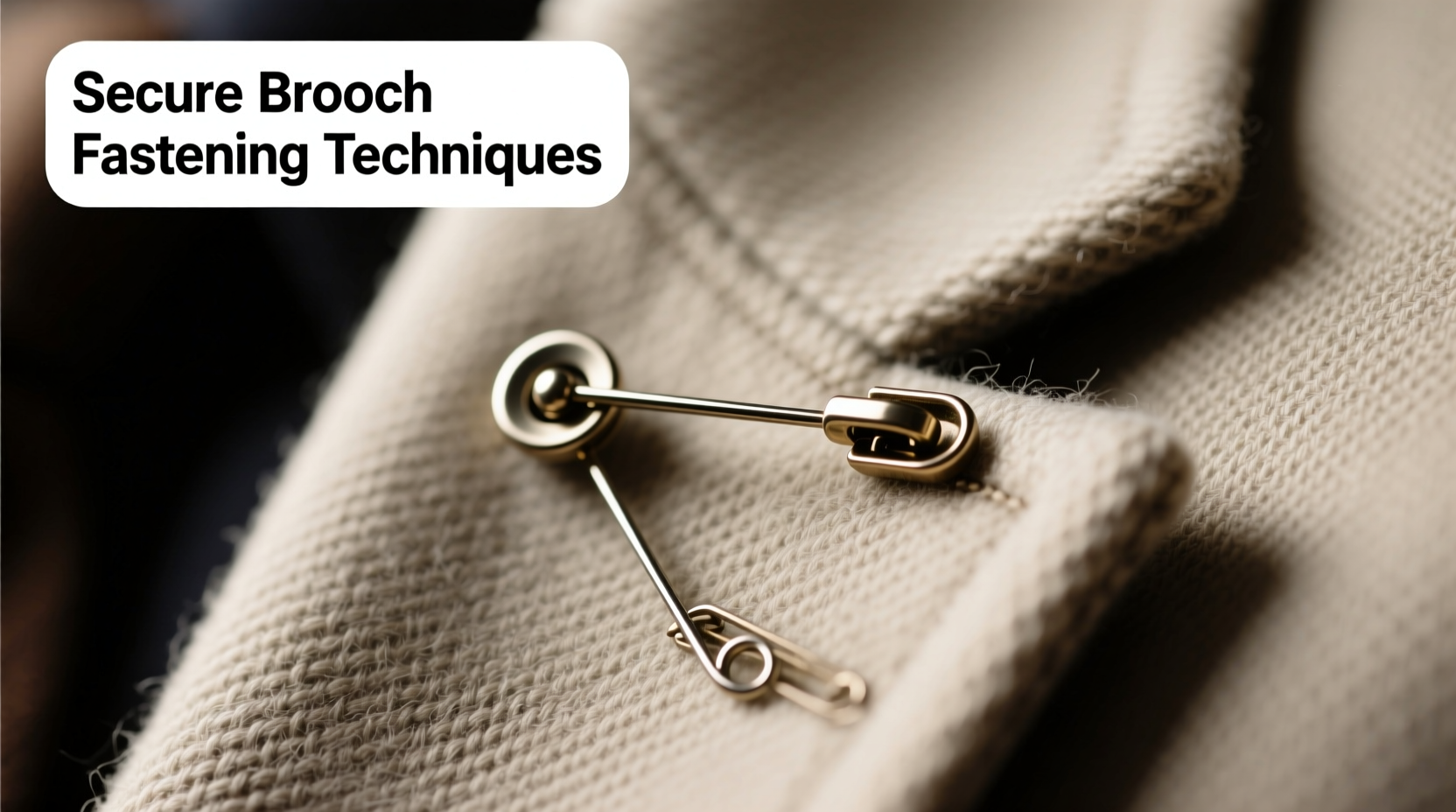
The security of a brooch begins with its backing mechanism. Most brooches come with one of several standard back types, each with strengths and weaknesses:
- Butterfly clutch (or friction clutch): The most common type, consisting of a pin stem and a grooved disc that grips the pin. While convenient, these can loosen over time or fail under weight or movement.
- Safety catch (also known as C-clutch or locking clutch): Features a hinged lever that snaps closed around the pin. This design provides superior hold and is less likely to slip off accidentally.
- Screw-back: Offers maximum security by threading onto the pin. Ideal for heavy or valuable brooches, though slower to fasten and remove.
- Magnetic back: Uses strong magnets to hold the brooch in place without piercing fabric. Suitable for delicate materials but may lack stability on thicker garments.
While butterfly clutches dominate the market due to cost and ease of use, they are also the most prone to failure. Recognizing the limitations of your brooch’s original backing is the first step toward improving its reliability.
Step-by-Step Guide to Reinforcing Brooch Security
Securing a brooch properly involves more than just fastening it through fabric. A strategic approach ensures durability and peace of mind throughout the day. Follow this five-step process:
- Inspect the pin and clasp: Check for wear, bending, or looseness. A warped pin won’t engage the clutch properly. Use needle-nose pliers to gently straighten if needed.
- Clean the pin mechanism: Dust and debris can interfere with the clutch’s grip. Wipe the pin and inside of the clutch with a soft cloth and mild soapy water, then dry thoroughly.
- Reinforce with a double clutch: Place a second butterfly clutch behind the first. This adds resistance against accidental loosening and reduces wobble.
- Use fabric reinforcement: For lightweight or stretchy fabrics, insert a small piece of interfacing or felt behind the brooch area before fastening. This stabilizes the material and prevents the pin from pulling through.
- Test movement: Gently tug the brooch side-to-side and up-and-down. If there’s excessive play, readjust the clutch or consider upgrading the backing system.
This routine takes less than two minutes but dramatically increases retention, especially during active wear or outdoor events.
Do’s and Don’ts When Wearing Brooches
| Do’s | Don’ts |
|---|---|
| Use safety-catch backs for heavy or sentimental pieces | Pin brooches directly into thin silk or knit fabrics without backing support |
| Store brooches flat with pins secured to prevent snagging | Leave brooches attached to clothing during washing or dry cleaning |
| Rotate brooch positions slightly on repeated wears to avoid fabric fatigue | Force a stiff pin into fabric—this can bend the pin or tear material |
| Carry spare clutches in a jewelry repair kit | Ignore signs of a loose or damaged clutch mechanism |
Expert Insight: What Jewelry Professionals Recommend
“Many people don’t realize how much stress a brooch pin undergoes during normal wear. Movement, gravity, and fabric drag all contribute to gradual loosening. Upgrading to a locking mechanism isn’t just about luxury—it’s a practical safeguard.” — Lydia Chen, Master Jeweler & Vintage Accessory Conservator
Professional jewelers often retrofit vintage brooches with modern safety backs to preserve their integrity while enhancing usability. They also emphasize the importance of periodic maintenance—just like watches or rings, brooches benefit from professional inspection every 1–2 years, especially if worn weekly.
Real Example: Preventing a Costly Loss at a Wedding
Sophia wore her grandmother’s antique floral brooch to her sister’s wedding. The piece had sentimental value and was appraised at over $2,000. Midway through the reception, she noticed it was missing. After retracing her steps, the brooch was found near the dance floor—its butterfly clutch had slipped off due to constant movement.
Following the incident, Sophia took the brooch to a local jeweler who replaced the original clutch with a secure screw-back mechanism. She now uses a small magnetic tool to assist with fastening and carries a backup clutch in her evening bag. Since the upgrade, she’s worn the brooch to multiple events without issue.
This case illustrates how a simple mechanical flaw can lead to emotional distress—and how a minor adjustment can restore confidence in wearing heirloom pieces.
Checklist: Ensuring Your Brooch Stays Secure All Day
- ✅ Inspect the pin and clutch for damage before each wear
- ✅ Choose a backing type appropriate for the brooch’s weight and fabric
- ✅ Add a fabric stabilizer if wearing on delicate materials
- ✅ Fasten the clutch snugly, ensuring it clicks or locks into place
- ✅ Carry a mini repair kit with extra clutches and tweezers
- ✅ Avoid placing brooches near seams or stretched areas of fabric
- ✅ Periodically upgrade older brooches to safety or screw-back mechanisms
Frequently Asked Questions
Can I convert my butterfly clutch to a safety catch?
Yes, most brooches can be retrofitted with a safety catch. Visit a professional jeweler or purchase conversion kits online that include the necessary tools and parts. Ensure the new clutch matches the pin diameter for a secure fit.
Are magnetic brooch backs reliable for daily wear?
Magnetic backs work well for lightweight brooches and delicate fabrics, but they may shift or detach during vigorous activity. High-strength neodymium magnets improve hold, but even then, they’re best suited for occasional or low-movement settings.
How do I prevent a brooch from rotating on smooth fabrics?
Rotation often occurs when the pin has too much play. Tighten the clutch securely and consider using a non-slip pad—such as a tiny dot of clear nail polish on the back of the clutch (tested first for compatibility). Alternatively, position the brooch where fabric folds naturally provide resistance.
Final Thoughts: Wear with Confidence
A brooch should enhance your presence, not cause anxiety. By understanding the mechanics of brooch fasteners and applying proven reinforcement strategies, you transform a potential liability into a dependable statement piece. Whether you’re honoring family heritage, expressing personal style, or accessorizing for a special event, taking a few moments to secure your brooch properly pays long-term dividends in both safety and satisfaction.




 浙公网安备
33010002000092号
浙公网安备
33010002000092号 浙B2-20120091-4
Comments
No comments yet. Why don't you start the discussion?