
A smooth, level lawn is more than just visually appealing—it enhances usability, prevents tripping hazards, and promotes healthy grass growth. Over time, lawns can become uneven due to frost heave, soil settling, thatch buildup, or pest activity. The good news is that with the right approach, even a severely bumpy yard can be restored to a flat, verdant surface. This guide outlines proven methods to identify the causes of lawn bumps and implement long-term solutions.
Identify the Cause of Lawn Bumps
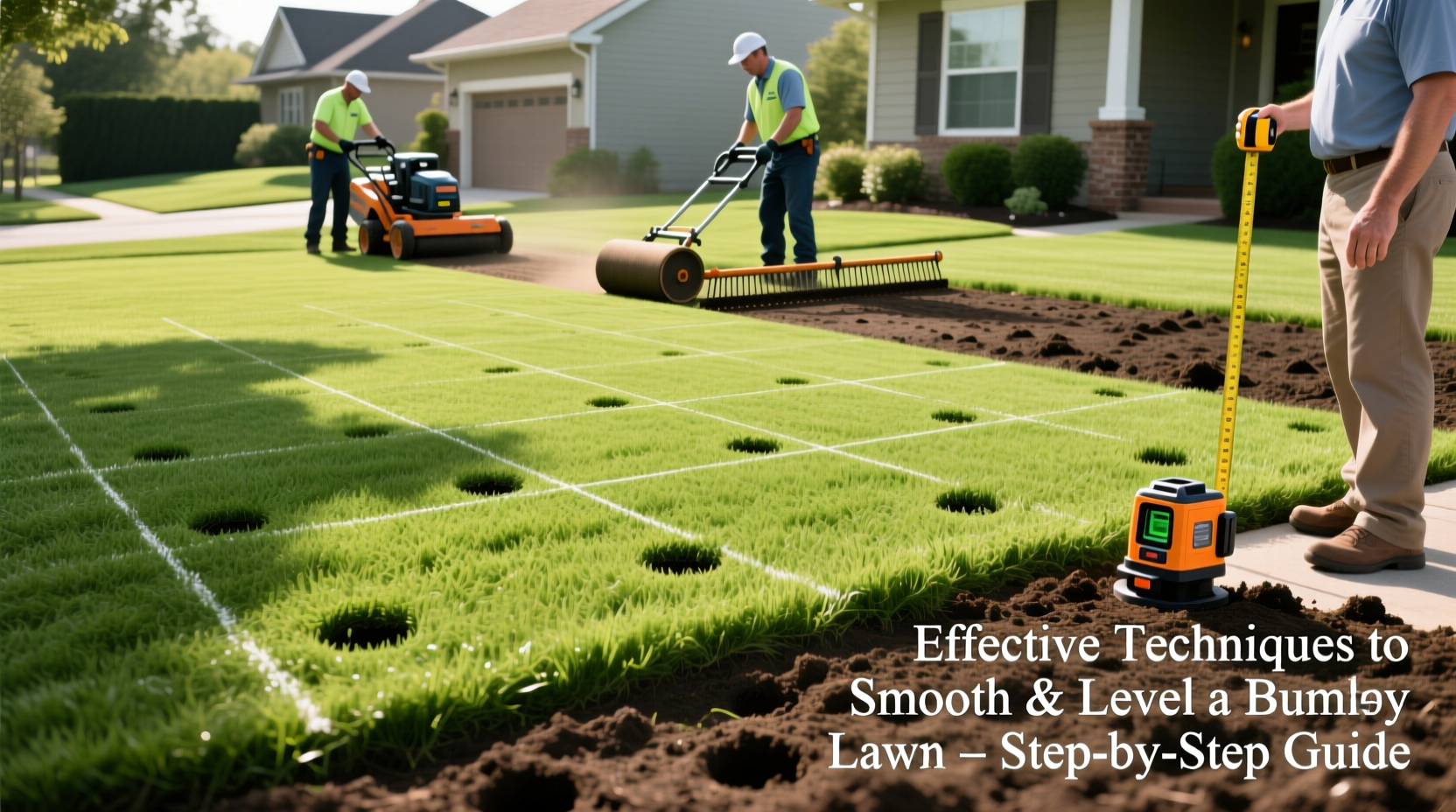
Before beginning any leveling work, it’s essential to diagnose what’s causing the unevenness. Common culprits include:
- Frost heaving: In colder climates, repeated freezing and thawing push soil and sod upward, creating small humps.
- Soil settlement: Areas where topsoil has eroded or compacted, especially after construction or heavy foot traffic.
- Thatch accumulation: A thick layer of dead organic matter beneath the grass can lift turf and create sponginess.
- Pest activity: Burrowing animals like moles or voles tunnel under the surface, disrupting root systems.
- Tree root growth: Expanding roots near the surface can push up sections of lawn.
Understanding the root cause determines the best course of action. For example, if tree roots are lifting the turf, complete excavation may not be feasible—instead, strategic topdressing might be the better solution.
Step-by-Step Guide to Leveling Your Lawn
Leveling a bumpy lawn doesn’t require professional equipment in most cases. With patience and proper technique, homeowners can achieve excellent results over one growing season.
- Mow the lawn short: Cut the grass to about 1.5–2 inches to make surface imperfections more visible and allow easier access to the soil.
- Dethatch if necessary: Use a dethatching rake or power dethatcher if the thatch layer exceeds ½ inch. Removing excess thatch helps new soil make contact with grassroots.
- Lift sunken or raised sections: For large bumps or depressions, use a flat shovel to gently pry up the sod. Keep the root ball intact and set the sod aside on a tarp to prevent drying.
- Adjust the soil underneath: Remove excess soil from high spots and fill low areas with quality topsoil. Slope the fill slightly away from your home’s foundation (about 1 inch per foot).
- Replace the sod: Lay the sod back down, pressing firmly to ensure good root-to-soil contact. Water thoroughly to help it reestablish.
- Topdress remaining minor bumps: For smaller irregularities, apply a thin layer (¼ to ½ inch) of sifted topsoil mixed with compost over the area.
- Water and monitor: Keep the repaired areas moist for 7–10 days to encourage root regrowth.
This process works best in early fall or spring when cool-season grasses are actively growing. Warm-season grasses respond best to leveling in late spring through early summer.
Topdressing: A Non-Invasive Smoothing Method
Topdressing involves spreading a thin layer of soil mixture over the lawn to gradually level minor bumps and dips without tearing up sod. It's ideal for lawns with widespread but shallow unevenness.
Use a blend of 50% sand, 25% topsoil, and 25% compost. This mix drains well, supports microbial activity, and won’t smother the grass when applied correctly.
| Application Step | Details |
|---|---|
| Frequency | Apply once per season; repeat over 1–2 years for best results |
| Layer Thickness | No more than ½ inch at a time |
| Best Tools | Sifted soil, drop spreader or shovel, rake, lawn roller (optional) |
| Drying Time Before Mowing | Wait 3–5 days after application |
After spreading, lightly rake the material to distribute evenly and work it into the grass canopy. Avoid piling soil in clumps. Topdressing also improves soil structure and encourages deeper root development over time.
“Topdressing is one of the most underrated lawn care practices. When done consistently, it builds a smoother, healthier lawn from the ground up.” — Dr. Alan Reyes, Turfgrass Management Specialist, University of Maryland Extension
Common Mistakes to Avoid
Even well-intentioned efforts can backfire if common pitfalls aren't avoided. Here’s what not to do when leveling your lawn:
- Burying grass too deeply: Applying more than ½ inch of soil at once can suffocate grass and kill patches.
- Using poor-quality fill: Avoid construction debris, clay-heavy soils, or contaminated dirt that compacts easily.
- Ignoring drainage: Filling low spots without considering water flow can lead to pooling and disease.
- Skipping soil testing: Nutrient imbalances or pH issues can hinder recovery after leveling.
- Working on wet soil: Tilling or walking on saturated ground increases compaction and delays healing.
Real Example: Reviving a Post-Construction Yard
The Thompson family moved into a newly built home in Ohio with a backyard full of ruts and mounds left behind by contractors. After six months of mowing and watering, the lawn remained lumpy and unsafe for kids to play on.
They began by aerating the entire yard in early September, followed by dethatching. For major depressions near the patio, they lifted sod, filled with a sandy loam mix, and replaced the turf. Over the next two months, they applied two rounds of topdressing (½ inch each) to smooth out subtle waves across the rest of the lawn.
By spring, their yard was noticeably flatter, greener, and free of tripping hazards. They maintained improvement with annual aeration and light topdressing—proving that consistent, methodical effort yields dramatic results.
Essential Lawn Leveling Checklist
Follow this checklist to ensure a successful leveling project:
- ☐ Assess the lawn for bumps, sponginess, and drainage issues
- ☐ Identify the cause (e.g., frost, pests, settling)
- ☐ Test soil pH and nutrient levels
- ☐ Mow grass short and dethatch if needed
- ☐ Gather materials: topsoil, compost, sand, shovel, rake, wheelbarrow
- ☐ Lift and reposition sod on major bumps or dips
- ☐ Fill low areas with compatible soil, sloping away from the house
- ☐ Apply topdressing (≤½ inch) to minor unevenness
- ☐ Water daily for the first week post-repair
- ☐ Monitor for weeds and reseed bare spots if necessary
Frequently Asked Questions
How often should I level my lawn?
Most lawns only need leveling every 3–5 years. However, if you notice recurring bumps due to frost or pests, annual inspection and minor topdressing can prevent major issues.
Can I level my lawn without killing the grass?
Yes—by using the lift-and-fill method for large bumps and limiting topdressing layers to ½ inch or less, you can level the lawn while preserving existing turf. Proper timing (during active growth) and watering are key to recovery.
Is rolling the lawn a good way to flatten bumps?
Not recommended. Rolling wet or soft soil increases compaction, which harms root growth and drainage. Instead, address the underlying issue with soil adjustment and topdressing.
Final Thoughts: Achieve a Flawless Yard with Consistent Care
A smooth, level lawn isn’t achieved overnight—but with the right techniques, it’s absolutely within reach. Whether you’re repairing damage from weather, pests, or construction, the key lies in understanding your soil, working at the right time of year, and applying gradual improvements.
Start small: assess your yard, fix the worst bumps, and commit to seasonal maintenance. Over time, your efforts will yield a resilient, even surface perfect for recreation, relaxation, and curb appeal.




 浙公网安备
33010002000092号
浙公网安备
33010002000092号 浙B2-20120091-4
Comments
No comments yet. Why don't you start the discussion?