
A scratchy calligraphy pen can disrupt the flow of your script, damage paper, and frustrate even the most patient scribe. Whether you're using a dip pen with a metal nib or a fountain pen, maintaining a smooth writing experience is essential for producing elegant lettering. Over time, ink buildup, misaligned tines, or microscopic burrs on the nib can turn a once-fluid tool into a jagged obstacle. The good news: most issues are fixable with simple, accessible methods. Understanding how to diagnose and treat a scratchy nib not only restores performance but also extends the life of your favorite pens.
Understanding Why Calligraphy Pens Become Scratchy
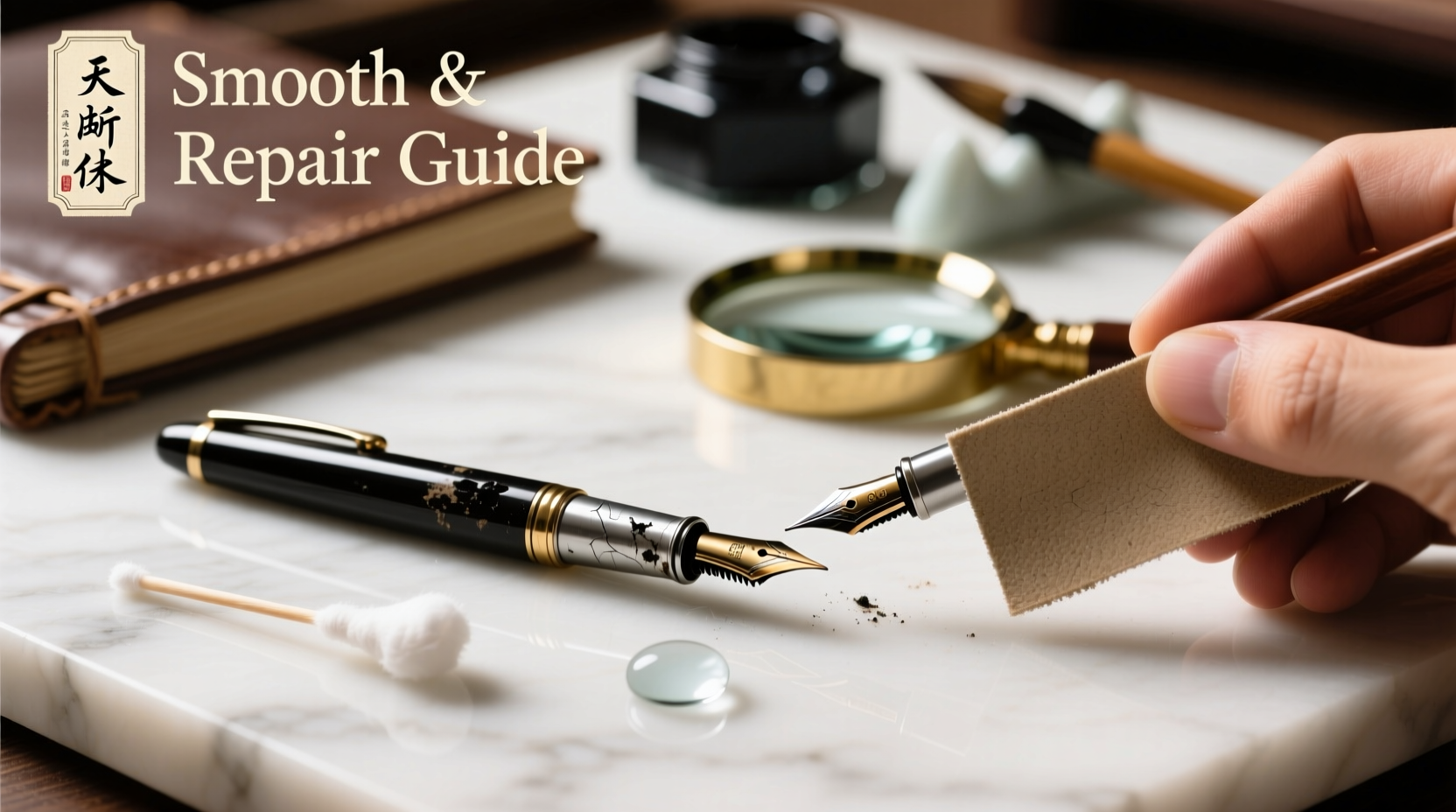
The sensation of a scratchy nib often stems from physical or chemical irregularities on the metal surface. Common causes include:
- Ink residue buildup: Dried ink accumulates on the nib slit or tines, creating friction against the paper.
- Burrs or rough edges: Tiny imperfections on the tip of the nib catch on paper fibers, especially noticeable on coated or textured surfaces.
- Misaligned tines: If the two prongs (tines) of the nib are bent unevenly, they won’t flex or spread ink uniformly, leading to snagging.
- Improper angle or pressure: Using incorrect writing angles or excessive force can wear down nibs prematurely.
- Poor-quality or worn-out nibs: Some nibs are manufactured with inconsistent polishing, while others degrade after heavy use.
Identifying the root cause determines which repair method will be most effective. A visual inspection under bright light or a magnifying glass can reveal misalignment or debris.
Step-by-Step Guide to Repairing a Scratchy Nib
Follow this detailed process to restore smoothness to your calligraphy pen. These steps apply primarily to metal dip nibs but can be adapted for fountain pen nibs with caution.
- Disassemble and clean the nib: Remove the nib from the holder and soak it in warm water for 5–10 minutes. Use a soft toothbrush to gently scrub away dried ink. Avoid abrasive materials that could scratch the metal.
- Dry thoroughly: Pat the nib dry with a lint-free cloth. Moisture left on the nib can interfere with smoothing processes.
- Inspect under magnification: Check the tip and tines for visible misalignment or rough spots. Hold the nib at eye level and look down the slit to see if the tines meet evenly at the tip.
- Align the tines (if necessary): Using fine-tipped tweezers or needle-nose pliers, gently squeeze the tines together if they’re splayed. Apply minimal pressure—over-correction can crack the nib.
- Smooth the nib tip: Use one of the polishing methods described below to eliminate micro-burrs.
- Test on paper: Reassemble the pen and write sample strokes. Evaluate smoothness and ink flow.
Polishing Methods for a Glass-Smooth Writing Experience
Smoothing the nib’s contact point reduces friction and enhances glide. Three proven methods deliver excellent results:
1. Mylar Paper Method
Cut a small piece of Mylar (a polyester drafting film) and lay it on a flat surface. With the nib mounted in its holder, draw figure-eights or circular motions over the Mylar at your normal writing angle. This burnishes the tip without removing metal, ideal for minor roughness.
2. Micromesh or Lapping Film
Micromesh sheets (ranging from 1500 to 12000 grit) offer progressive smoothing. Start with a lower grit to remove burrs, then move to higher grits for polish. Place the sheet on glass, and using light pressure, move the nib in figure-eights. Rinse and re-clean afterward to remove particles.
3. Strop Polishing with Compound
Apply a tiny amount of chromium oxide or jewelers’ rouge to a leather strop or hard felt pad. Gently stroke the nib across the compound at writing angle. This method produces a mirror finish but requires care—too much pressure can alter the tipping.
| Method | Best For | Caution |
|---|---|---|
| Mylar Paper | Minor friction, beginners | Doesn’t remove metal; limited correction |
| Micromesh Sheets | Precision smoothing, moderate burrs | Avoid folding—can gouge the nib |
| Strop + Polish | High-gloss finish, experienced users | Over-polishing may affect ink flow |
“Even the finest nibs benefit from occasional polishing. A well-maintained tip can transform an average pen into a precision instrument.” — Daniel Reeves, Master Pen Technician
Real Example: Reviving a Vintage Gillott 404
Sarah, a calligrapher in Portland, inherited a box of vintage dip pens from her grandmother. One, a Gillott 404, wrote with an unbearable scratchiness despite cleaning. She inspected it under a loupe and noticed slight tine separation and a jagged edge on the right prong. After aligning the tines with tweezers, she used 4000-grit micromesh on glass, polishing in gentle circles for two minutes. Post-cleaning, the nib glided effortlessly across her practice sheet, producing crisp hairlines and smooth shading. “It felt like unlocking the pen’s original voice,” she said. This case illustrates how patience and proper tools can resurrect even decades-old nibs.
Do’s and Don’ts of Nib Maintenance
To preserve your repaired nib and prevent future issues, follow these guidelines:
| Do | Don’t |
|---|---|
| Clean nibs after each use | Leave ink to dry on the nib |
| Store nibs in a dry container | Tap the nib on the rim of the ink bottle |
| Use smooth, high-quality paper | Press too hard while writing |
| Polish occasionally with proper tools | Use sandpaper or harsh abrasives |
| Inspect nibs regularly | Ignore early signs of scratching |
Frequently Asked Questions
How often should I polish my calligraphy nib?
Only when you notice increased friction or catching. Over-polishing removes metal and shortens nib life. Most users find polishing every few months sufficient, depending on usage.
Can I use toothpaste to smooth a nib?
No. While some suggest toothpaste as a mild abrasive, many contain silica or baking soda that can scratch stainless steel or leave residues affecting ink flow. Stick to purpose-made compounds like chromium oxide.
Why does my newly polished nib skip ink?
Excessive polishing can disrupt the capillary action along the slit or remove the factory-applied ink-wetting coating. Try dipping the nib in dish soap solution briefly, then rinsing—it often restores flow.
Conclusion: Write with Confidence and Clarity
A scratchy calligraphy pen doesn’t mean the end of its life—it’s often a solvable condition with the right knowledge and tools. By understanding the mechanics of nib performance, applying careful cleaning and alignment, and using precise polishing techniques, you can restore even the most stubborn nib to buttery-smooth operation. Regular maintenance prevents deterioration and ensures your tools remain as refined as your artistry. Whether you're preparing for a wedding suite or practicing foundational strokes, a well-tuned pen makes all the difference. Take a moment today to inspect your favorite nib—you might just rediscover its hidden potential.




 浙公网安备
33010002000092号
浙公网安备
33010002000092号 浙B2-20120091-4
Comments
No comments yet. Why don't you start the discussion?