
Leather shoes are an investment in both style and comfort. Over time, even the finest pairs develop wrinkles, creases, and signs of wear that can dull their appearance. While some creasing is natural and even adds character, excessive wrinkling or cracking diminishes elegance and longevity. The good news: with proper care, most leather shoes can be restored to near-original condition. Whether you're reviving a neglected pair or maintaining daily wearers, the right techniques make all the difference.
Understanding Leather Behavior
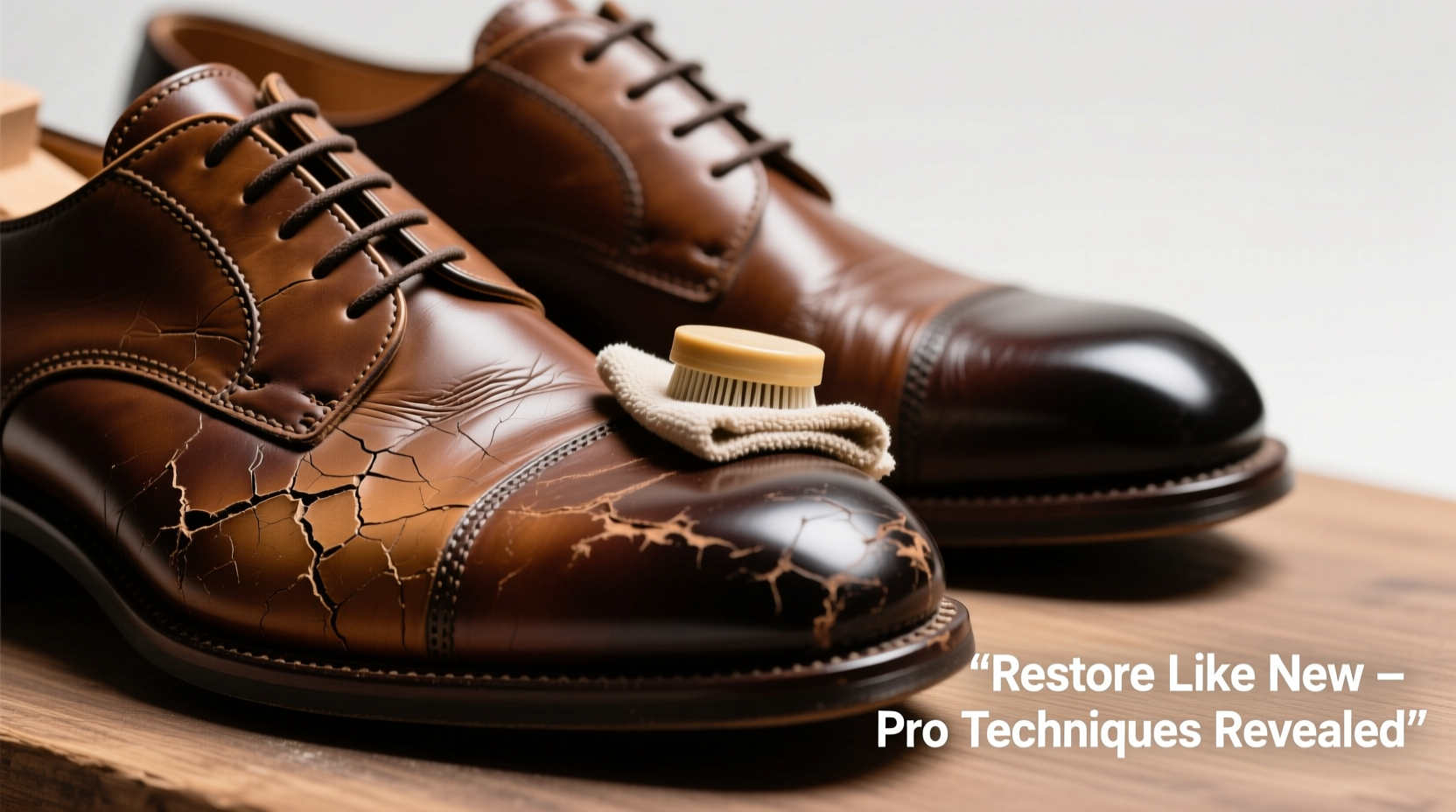
Leather is a natural material derived from animal hides, and like skin, it responds to moisture, heat, and movement. Wrinkles form primarily due to repeated flexing at stress points—especially around the toe box and instep. Environmental factors such as low humidity, exposure to water, or improper storage accelerate drying and cracking.
Not all wrinkles are reversible. Deep-set structural creases caused by prolonged folding or ill-fitting shoes may not fully disappear. However, surface-level wrinkles and minor folds can often be softened or minimized using hydration, gentle heat, and conditioning.
“Leather breathes and moves. Respecting its natural properties is key to preservation.” — Daniel Ruiz, Master Cobbler & Footwear Restorer
Step-by-Step Guide to Smoothing Wrinkles
Restoring leather begins with cleaning, followed by targeted wrinkle reduction and deep conditioning. This process should be performed every 4–6 weeks for regular wear, or immediately when visible dryness or distortion appears.
- Remove laces and clean the surface: Use a soft brush or microfiber cloth to remove dust and debris. Apply a pH-balanced leather cleaner with a lint-free cloth, working in circular motions. Let dry naturally for 15–20 minutes.
- Stuff the shoe for shape retention: Insert cedar shoe trees or acid-free paper to maintain structure during treatment. This helps stretch minor wrinkles outward.
- Apply steam gently: Hold a household garment steamer 3–5 inches from the leather. Move steadily across wrinkled areas for 10–15 seconds per zone. Do not saturate—excess moisture weakens fibers.
- Smooth with fingers or a wooden shoe horn: Immediately after steaming, use clean fingertips or a smooth wooden tool to press and glide over creased areas. The warmth and moisture allow fibers to relax and realign.
- Condition thoroughly: Apply a high-quality leather conditioner (containing lanolin or beeswax) with a soft cloth. Focus on wrinkled zones, allowing absorption for at least 30 minutes.
- Air-dry away from direct heat: Let shoes rest at room temperature for 8–12 hours. Avoid radiators or sunlight, which cause rapid drying and further cracking.
Essential Products for Restoration
The effectiveness of any restoration effort depends heavily on product quality. Using inappropriate cleaners or polishes can do more harm than good. Below is a comparison of recommended products based on leather type.
| Product Type | Best For | Recommended Brands | Avoid If… |
|---|---|---|---|
| Leather Cleaner | All types (aniline, corrected grain) | Saphir Médaille d'Or, Lexol | Using alcohol-based wipes |
| Hydrating Conditioner | Dry, stiff leather | Bick 4, Obenauf’s Leather Oil | Over-applying on suede |
| Shoe Polish (Cream/Wax) | Color restoration, shine | Kiwi, Allen Edmonds | Using wax on rough-out leather |
| Leather Protector Spray | Water and stain resistance | Collonil, Tarrago Nano Protector | Applying before cleaning |
Common Mistakes That Worsen Wrinkles
Even well-intentioned efforts can backfire without proper knowledge. These habits compromise leather integrity and accelerate aging:
- Skipping shoe trees: Without internal support, leather collapses into permanent folds.
- Wearing the same pair daily: Leather needs 24–48 hours to recover between wears. Rotate shoes to extend life.
- Using household oils (e.g., coconut or olive oil): These degrade tannins over time, leading to stickiness and rot.
- Ignoring moisture: Wet shoes should be dried slowly with paper stuffing—never near heat.
- Over-polishing: Excessive wax builds up, masking cracks but preventing breathability.
Real Example: Reviving a Neglected Oxford
James, a financial analyst, wore his black cap-toe oxfords nearly every workday for eight months without maintenance. The uppers developed deep side-creases, the heel counter slumped, and the finish looked dull. After reading about restoration, he followed a structured routine:
He began by cleaning with Saphir Renovateur, then applied steam with a handheld steamer while pressing creases flat with a wooden shoehorn. He conditioned with Bick 4, inserted cedar trees, and let them rest for two days. After three weekly sessions, the leather regained suppleness, and surface wrinkles visibly relaxed. Though structural creases remained, the shoes looked polished and professional again—saving him $300 in replacement costs.
Checklist: Monthly Leather Shoe Care Routine
To keep your shoes looking fresh and minimize wrinkling, follow this monthly checklist:
- ☐ Remove dirt and dust with a soft brush
- ☐ Clean with a leather-specific solution
- ☐ Inspect for dryness or micro-cracks
- ☐ Steam and smooth visible wrinkles
- ☐ Apply conditioner evenly; allow full absorption
- ☐ Polish if color fading is present
- ☐ Reinsert shoe trees and store properly
- ☐ Rotate footwear to prevent overuse
Frequently Asked Questions
Can I remove deep creases completely?
Complete removal is unlikely for deep structural creases formed over time. However, consistent conditioning and steaming can reduce their visibility and prevent worsening. Prevention through proper fit and rotation is more effective than correction.
Is it safe to use a damp cloth on leather?
A slightly damp cloth is acceptable for cleaning, provided it’s lint-free and used gently. Never soak leather. Always follow with a conditioner to replenish lost moisture and avoid stiffness.
How often should I condition my leather shoes?
Every 4–6 weeks under regular use. In dry climates or during winter, conditioning every 3 weeks helps prevent cracking. Signs like dullness or tightness indicate it’s time to condition.
Maintain Longevity Through Consistent Care
Beautiful leather shoes don’t stay that way by accident. They respond to attention—absorbing care much like they absorb conditioners. Smoothing wrinkles isn’t just cosmetic; it’s part of a broader commitment to preserving material integrity. By integrating simple practices like steaming, conditioning, and proper storage into your routine, you extend the life of your footwear by years.
Think of each session not as chore, but as ritual—one that honors craftsmanship and personal style. A well-maintained shoe reflects discipline, taste, and respect for quality.




 浙公网安备
33010002000092号
浙公网安备
33010002000092号 浙B2-20120091-4
Comments
No comments yet. Why don't you start the discussion?