
Dogs are naturally playful, and harnessing that instinct with the right tools can transform everyday moments into meaningful training opportunities. Plush toys—soft, lightweight, and often squeaky—are more than just distractions; they’re powerful instruments for shaping desirable behaviors. When used strategically, plush toys support obedience training, impulse control, and socialization while reinforcing a positive emotional connection between dog and owner. Unlike high-arousal tug or fetch games with hard toys, plush toys encourage gentler interaction, making them ideal for teaching bite inhibition, focus, and calm engagement.
Why Plush Toys Work in Dog Training
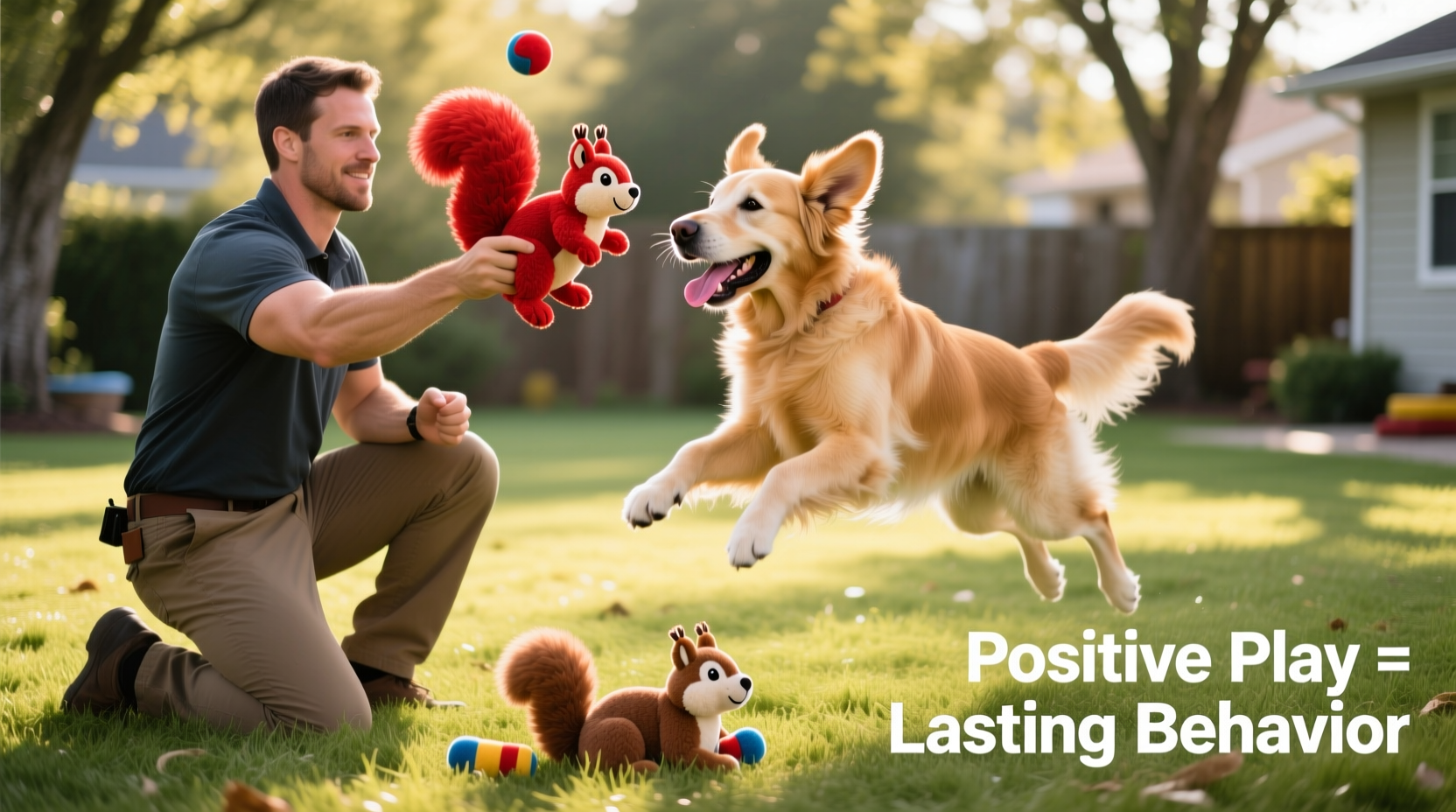
Plush toys appeal to a dog’s innate prey drive without encouraging aggressive tendencies. The soft texture mimics small animals, triggering a natural chase-and-carry response, while the lack of durability (compared to rubber or rope toys) makes them perfect for controlled play. Because plush toys are generally less stimulating than balls or frisbees, they allow owners to maintain better control over arousal levels during training sessions.
Used correctly, plush toys become conditioned reinforcers—objects associated with positive outcomes. Over time, a dog learns that good behavior leads to access to the toy, creating a self-reinforcing loop of cooperation and engagement.
“Dogs learn fastest when motivation meets clarity. A plush toy can be both the reward and the communication tool.” — Dr. Karen Becker, Veterinary Behaviorist
Selecting the Right Plush Toy for Training
Not all plush toys are created equal. Some are too flimsy, others too distracting with excessive squeakers or crinkle material. For training purposes, choose toys with the following characteristics:
- Durability: Should withstand moderate chewing but not be indestructible—this encourages retrieval and discourages prolonged destructive play.
- Size: Large enough to prevent swallowing, yet small enough for easy carrying and tossing.
- Scent-free & non-toxic: Avoid toys with strong chemical odors or added pheromones that may overstimulate.
- Minimal noise: One squeaker is sufficient. Multiple squeaks can overwhelm sensitive dogs.
Step-by-Step Guide: Building Positive Play Behavior with Plush Toys
Follow this structured approach to integrate plush toys into daily training. Each step builds on the previous one, ensuring gradual progress without overwhelming your dog.
- Introduce the toy in low-distraction settings. Let your dog sniff and interact briefly while you observe their reaction. Praise gentle mouthing or holding.
- Pair the toy with verbal cues. Use a consistent phrase like “Get your bear!” each time you present it. This creates a clear association.
- Use the toy as a reward for simple commands. Ask for a sit or stay, then toss the plush as a prize. This reinforces obedience through play.
- Teach “drop it” using trade-ups. Offer a treat or another toy in exchange. Practice until your dog releases willingly.
- Incorporate into recall training. Call your dog’s name, then squeak the toy behind you. Reward arrival with play.
- Gradually increase difficulty. Add distractions, longer stays, or multiple commands before releasing the toy.
Common Mistakes and How to Avoid Them
Even well-intentioned play can backfire if boundaries aren’t set. Below is a comparison of effective versus counterproductive practices.
| Do’s | Don’ts |
|---|---|
| Use plush toys for short, focused play sessions (5–10 minutes). | Let your dog chew the toy unsupervised for long periods. |
| End the game before your dog becomes overly excited. | Continue playing once your dog shows signs of fixation or growling. |
| Store toys out of reach when not in use to preserve value. | Leave plush toys scattered around the house all day. |
| Supervise interactions with children to ensure gentle play. | Allow kids to wrestle or tease the dog with the toy. |
Real Example: Turning Nipping into Focused Play
Max, a 9-month-old Border Collie, had a habit of nipping at his owner’s hands during play. His excitement would escalate quickly, making training difficult. His owner introduced a small plush rabbit with a single squeaker. During sessions, she only brought out the toy after Max sat calmly. She used it to redirect his attention from hands to the toy, squeaking it to gain focus. If he lunged or bit too hard, play stopped immediately. Within three weeks, Max learned to wait for the cue, retrieve gently, and release on command. The plush toy became a signal for structured fun—not chaos.
Checklist: Using Plush Toys Effectively in Training
Before starting a session, ensure you have the following in place:
- ✅ Choose one primary plush toy dedicated to training (not general play)
- ✅ Confirm your dog knows basic cues like “sit,” “come,” and “leave it”
- ✅ Have high-value treats ready for trade-up exercises
- ✅ Schedule sessions when your dog is alert but not overtired
- ✅ Limit playtime to 5–10 minutes initially to maintain focus
- ✅ End each session with a calm activity (e.g., lying down with a chew)
- ✅ Wash or wipe the toy weekly to remove saliva and debris
Frequently Asked Questions
Can I use plush toys for aggressive chewers?
Only under direct supervision. While plush toys aren't meant to withstand heavy chewing, they can still be used in short bursts for reward-based training. Immediately remove the toy if your dog starts shredding it. Consider switching to reinforced plush versions designed for moderate chewers.
How do I stop my dog from becoming possessive of the plush toy?
Possessiveness often stems from inconsistent rules. Always initiate and end play sessions yourself. Use the “trade-up” method frequently—exchange the toy for a treat or affection. Avoid playing tug-of-war with plush toys, as this can encourage guarding. If resource guarding persists, consult a certified canine behaviorist.
Is it okay to let my puppy sleep with a plush toy?
Generally not recommended. While some puppies find comfort in soft objects, unsupervised access can lead to ingestion of stuffing or obsessive attachment. Instead, offer a designated comfort item like a washable blanket without loose parts. Reserve plush toys for active training and play only.
Conclusion: Turning Play Into Purposeful Training
Training doesn’t have to be rigid or formal. By integrating plush toys into your routine, you tap into your dog’s natural instincts while guiding them toward self-control and responsiveness. The key lies in consistency, timing, and intentionality—using the toy not just for entertainment, but as a bridge to better behavior. Whether you're working on recall, focus, or bite inhibition, plush toys offer a gentle, joyful path to learning.




 浙公网安备
33010002000092号
浙公网安备
33010002000092号 浙B2-20120091-4
Comments
No comments yet. Why don't you start the discussion?