
Timberland boots are built for durability, comfort, and style—whether you're navigating city streets or rugged trails. But with frequent use, dirt, mud, salt stains, and general wear can dull their appearance and compromise material integrity. Proper cleaning isn’t just about aesthetics; it’s essential for extending the life of your investment. The right techniques and products make all the difference between a boot that lasts years and one that deteriorates prematurely.
Understanding Your Timberland Materials
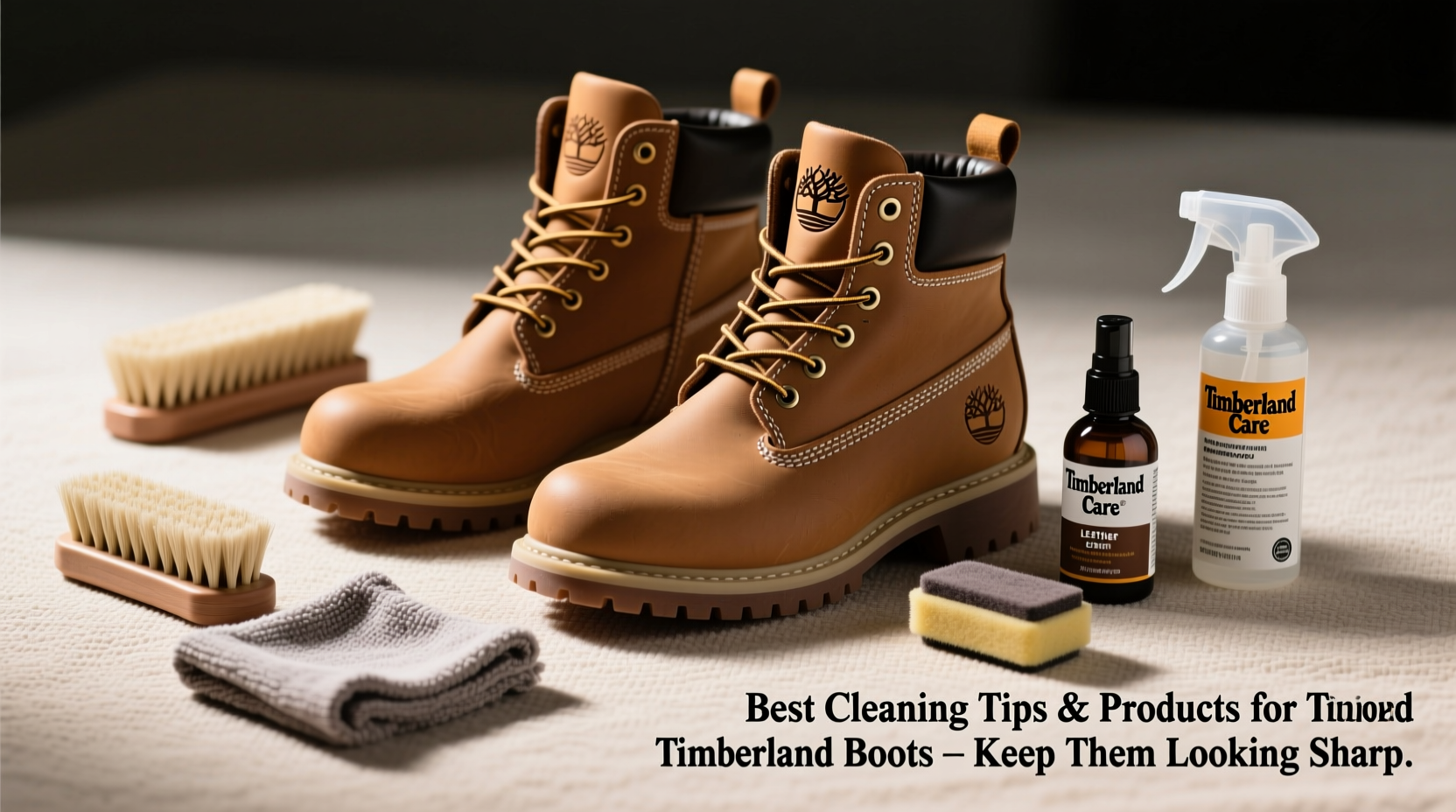
Before reaching for a brush or cleaner, identify the materials used in your boots. Most classic Timberlands feature premium full-grain leather uppers, while some models include suede, nubuck, or waterproof linings like Gore-Tex. Each material responds differently to moisture and cleaning agents:
- Full-Grain Leather: Durable and water-resistant when treated. Requires conditioning after cleaning.
- Suede & Nubuck: Softer finishes that absorb liquids easily. Need specialized brushes and stain removers.
- Mesh Panels or Lining: Found in seasonal or performance models; sensitive to soaking and harsh chemicals.
Cleaning a nubuck toe cap with a standard leather cleaner can damage its texture. Always check the product label or Timberland’s official care guide before proceeding.
Step-by-Step Guide to Cleaning Timberland Boots
A methodical approach ensures thorough cleaning without damaging the structure or finish of your boots. Follow this timeline for optimal results:
- Remove laces and insoles – This allows full access to hidden grime and prevents trapped moisture.
- Dry brush off loose debris – Use a stiff-bristled brush (like a horsehair brush) to remove dried mud and dust from seams and treads.
- Wipe down with a damp cloth – Lightly moisten a microfiber cloth with water to wipe the surface. Avoid soaking.
- Apply appropriate cleaner – Use a pH-balanced leather or suede shampoo depending on the upper material.
- Scrub gently with a soft brush – Focus on stained areas using circular motions. Don’t press too hard on stitching.
- Rinse with minimal moisture – Wipe away residue with a clean, slightly damp cloth. Never submerge.
- Let air dry naturally – Place in a well-ventilated area away from direct heat or sunlight. Stuff with paper towels to maintain shape.
- Condition the leather – Once fully dry, apply a cream-based conditioner to restore oils lost during cleaning.
- Reassemble and protect – Reinsert insoles and laces. Finish with a waterproofing spray suited to the material.
This process should be performed every 4–6 weeks under regular use, or immediately after exposure to salt, snow, or heavy mud.
Top Recommended Products for Timberland Care
Not all cleaners are created equal. Using low-quality or inappropriate products can strip natural oils, discolor leather, or degrade adhesives. Below is a curated list of trusted solutions tailored to Timberland materials:
| Product | Best For | Key Benefit | Frequency |
|---|---|---|---|
| Saphir Médaille d'Or Renovateur | Full-grain leather | Cleans, nourishes, and revives color in one step | Every 4 weeks |
| Kiwi Suede & Nubuck Cleaner Kit | Nubuck/suede accents | Includes eraser, brush, and foam applicator | As needed |
| Bickmore Bick 4 Conditioner | All leather types | Non-greasy, won’t darken leather | After each deep clean |
| Jason Markk Repel Spray | Waterproofing | Fluoropolymer-based protection against stains and water | Monthly |
| Timberland Premium Care Kit | All-around maintenance | Official kit with brush, cloth, and branded cleaner | Recommended starter set |
Investing in quality products pays off in long-term boot preservation. A $15 tube of proper conditioner can prevent cracking that would otherwise require costly resoling or replacement.
“Many people ruin great boots by skipping conditioning. Leather is skin—it needs hydration to stay flexible and crack-free.” — Marcus Reed, Footwear Restoration Specialist, 12+ years in shoe care
Common Mistakes to Avoid When Cleaning Timberlands
Even with good intentions, improper techniques can do more harm than good. Here are frequent errors and how to avoid them:
- Using household cleaners: Dish soap, vinegar, or bleach break down leather fibers and remove protective coatings.
- Over-wetting the boot: Excess water seeps into midsoles, promoting mold and delamination.
- Drying near radiators or heaters: Rapid drying causes leather to shrink and crack.
- Skipping the conditioner: Cleaned leather loses natural oils; without replenishment, it becomes brittle.
- Ignoring the outsole: Built-up dirt in treads reduces grip and accelerates sole wear.
One customer reported ruining a pair of wheat-colored Timbs by scrubbing them with steel wool to “get rid of scuff marks.” The abrasive action permanently scratched the grain, requiring professional refinishing at triple the cost of routine care.
Mini Case Study: Reviving Salt-Stained Winter Boots
Jamal, a delivery driver in Boston, wore his Timberland Pro work boots daily through a harsh winter. By March, white salt rings lined the lower uppers, and the leather felt stiff. He initially ignored them, assuming they were beyond repair. After learning about proper care, he followed these steps:
- Used a mixture of distilled water and white vinegar (1:1) on a cloth to neutralize salt (lightly dabbed, not rubbed).
- Applied Saphir Omni Nettoyant to lift residual grime.
- Let boots dry overnight with newspaper stuffing.
- Conditioned twice with Bick 4 over two days.
The boots regained flexibility, and the salt stains faded significantly. With monthly upkeep, Jamal now expects them to last another two winters.
Frequently Asked Questions
Can I use baby wipes to clean my Timberland boots?
No. While convenient, most baby wipes contain alcohol and fragrances that dry out leather and may cause discoloration. Use a damp microfiber cloth instead for quick wipe-downs.
How often should I waterproof my Timberlands?
Apply a waterproofing spray every 4–6 weeks during wet seasons. If water stops beading on the surface, it’s time to reapply. Always clean first for maximum effectiveness.
What if my boots get soaked in rain?
Remove insoles and laces, stuff with paper towels, and let dry at room temperature for 24–48 hours. Avoid forced heat. Once dry, condition the leather to prevent stiffness.
Maintenance Checklist
Stay proactive with this simple care checklist:
- ☐ Remove dirt weekly with a dry brush
- ☐ Inspect for loose stitching or sole separation monthly
- ☐ Deep clean every 4–6 weeks
- ☐ Condition leather after each deep clean
- ☐ Reapply waterproofing spray regularly
- ☐ Store in a cool, dry place with cedar inserts if possible
- ☐ Rotate use if you have multiple pairs to extend lifespan
Final Thoughts
Caring for your Timberland boots doesn’t require expert skills—just consistency and the right tools. Regular cleaning preserves both appearance and function, ensuring your boots remain comfortable, safe, and stylish through seasons of use. Whether you’re wearing them to work, on hikes, or around town, a few minutes of maintenance can add years to their life.




 浙公网安备
33010002000092号
浙公网安备
33010002000092号 浙B2-20120091-4
Comments
No comments yet. Why don't you start the discussion?