
Floor rugs enhance the warmth, texture, and style of any room—but a loose or slippery rug can quickly become a safety hazard. Slips and trips caused by shifting rugs are among the leading causes of indoor falls, especially in homes with young children, older adults, or pets. Fortunately, making your rug non-slip doesn’t require expensive renovations or professional help. With the right techniques and tools, you can secure your rug firmly in place and create a safer living environment.
Why Rug Safety Matters
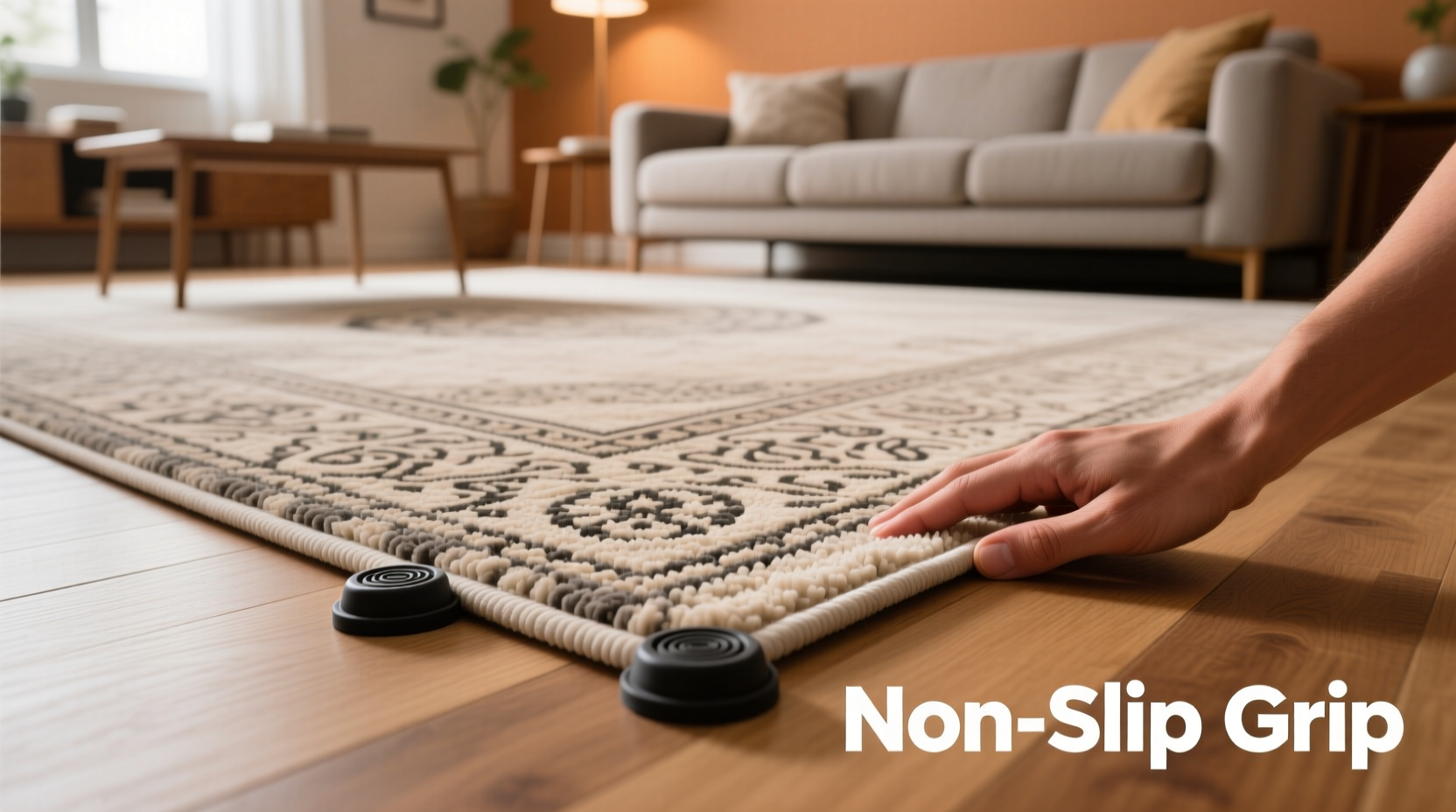
A rug that slides or bunches underfoot poses more than just an aesthetic nuisance—it's a real tripping risk. According to the National Floor Safety Institute, over 1 million emergency room visits each year are due to slip-and-fall accidents, many of which occur on flat surfaces where rugs are involved. A rug that shifts even slightly when stepped on can throw off balance, leading to sprains, fractures, or worse.
Slippage often occurs due to smooth flooring like hardwood, tile, or laminate, which offer little natural grip. Additionally, thin or lightweight rugs are more prone to movement. Addressing this issue proactively not only protects your household but also preserves the integrity of your rug by preventing wrinkles and edge curling.
Choose the Right Non-Slip Underlay
One of the most effective and long-term solutions is using a high-quality non-slip rug pad. These pads provide cushioning, reduce wear, and keep rugs from sliding across hard surfaces. Not all pads are created equal—selecting the right one depends on your floor type, rug size, and usage area.
| Rug Pad Type | Best For | Avoid On |
|---|---|---|
| Felt & Rubber Composite | Hardwood, tile, laminate | Carpeted floors |
| PVC-Free Rubber | Kitchens, high-traffic areas | Delicate or waxed wood floors |
| Fabric-Backed Foam | Bedrooms, low-traffic zones | Bathrooms or damp areas |
| Adhesive-Backed Grippers | Small rugs, temporary fixes | Textured or porous floors |
When selecting a pad, ensure it’s slightly smaller than your rug (about 1–2 inches less on each side) so it doesn’t peek out from the edges. Also, avoid pads with strong chemical odors, especially if you have respiratory sensitivities or pets that spend time close to the floor.
“Using the correct rug underlay reduces slippage by up to 90% and significantly extends the life of both the rug and the floor beneath.” — James Landon, Indoor Safety Consultant
DIY Anti-Slip Solutions You Can Make at Home
If you're looking for quick, affordable fixes without purchasing commercial products, several household items can help stabilize your rug temporarily or semi-permanently.
- Double-sided carpet tape: Apply along the corners and edges of the rug underside. Choose a residue-free version to avoid floor damage upon removal.
- Silicone caulk dots: Squeeze small dabs of clear silicone onto the back of the rug in a grid pattern. Let dry completely before placing it down. This method is ideal for non-porous floors.
- Hot glue patterns: Use a low-temperature glue gun to apply lines or grids of glue on the rug’s underside. Once cooled, the rubbery texture grips the floor effectively.
- Painter’s tape anchors: For very light throws or bath mats, use strips of painter’s tape on two opposite corners as a temporary hold-down.
Step-by-Step: Applying Silicone Dots for Grip
- Clean the underside of the rug thoroughly and let it dry.
- Turn the rug face down on a protected surface.
- Apply dime-sized dabs of clear silicone caulk in a grid pattern (every 6–8 inches).
- Avoid placing dots near the edges to prevent squeezing out when walked on.
- Allow 24 hours for full curing before positioning the rug.
- Press down firmly across the entire surface to ensure contact.
Real-Life Scenario: Securing Rugs in a Family Home
The Thompson family lives in a two-story home with hardwood floors throughout. Their toddler began walking recently, and during playtime, he frequently tripped over a loosely placed nursery rug. After one fall resulted in a minor bump on the head, they decided to act.
They started by measuring the rug and ordering a custom-cut felt-rubber pad online. Within a day of installation, the rug stayed perfectly flat—even when their son pulled himself up using the edge. They later applied double-sided tape to a kitchen runner rug, which had been sliding every time someone approached the sink. The combined solutions eliminated all slipping issues, giving them peace of mind.
This case highlights how simple interventions, tailored to specific rooms and needs, can dramatically improve home safety.
Essential Checklist for Making Any Rug Non-Slip
Follow this checklist to ensure your rug is properly secured and safe:
- ✅ Inspect the rug and floor for moisture, debris, or damage before applying any solution.
- ✅ Measure the rug accurately to cut or order the correct size of pad or tape.
- ✅ Choose a non-slip method compatible with your floor type (e.g., no rubber on waxed wood).
- ✅ Test stability by walking across the rug from multiple directions.
- ✅ Re-evaluate every 3–6 months, especially in high-traffic areas.
- ✅ Keep edges flat and reposition immediately if lifting occurs.
Frequently Asked Questions
Can I use a non-slip pad under a wool rug?
Yes, but choose a breathable, pH-neutral pad to avoid trapping moisture, which could lead to mildew or fiber degradation. Avoid rubber-heavy pads that may react with natural dyes.
Are adhesive tapes safe for hardwood floors?
High-quality, residue-free carpet tapes are generally safe, but always remove them carefully and within 6 months to prevent finish dulling. Test on a hidden area first.
How often should I replace my rug pad?
Rug pads typically last 2–3 years with regular use. Replace them if they begin to crack, emit odors, or lose grip. High-moisture areas like bathrooms may require more frequent replacement.
Final Thoughts and Action Steps
A non-slip rug is more than a convenience—it’s a critical part of home safety. Whether you opt for a premium underlay, a DIY hack, or a combination of methods, taking action now can prevent accidents before they happen. Start by evaluating your most problematic rugs: those in hallways, near beds, or in kitchens. Prioritize areas where people walk barefoot or move quickly.
Remember, safety doesn’t have to compromise style. Many modern non-slip solutions are invisible once installed, preserving the beauty of your décor while adding essential protection. Small changes today can lead to years of safer, more confident footing tomorrow.




 浙公网安备
33010002000092号
浙公网安备
33010002000092号 浙B2-20120091-4
Comments
No comments yet. Why don't you start the discussion?