
Tumbler straws are convenient, reusable, and eco-friendly—but they’re also prone to accumulating bacteria, mold, and residue if not cleaned properly. Because of their narrow shape and hidden crevices, straws can harbor germs even when the rest of your tumbler looks clean. Over time, neglecting proper hygiene can lead to unpleasant odors, discoloration, and even health risks. The good news is that with consistent care and the right techniques, you can keep your tumbler straw spotless and safe for daily use.
Why Proper Straw Cleaning Matters
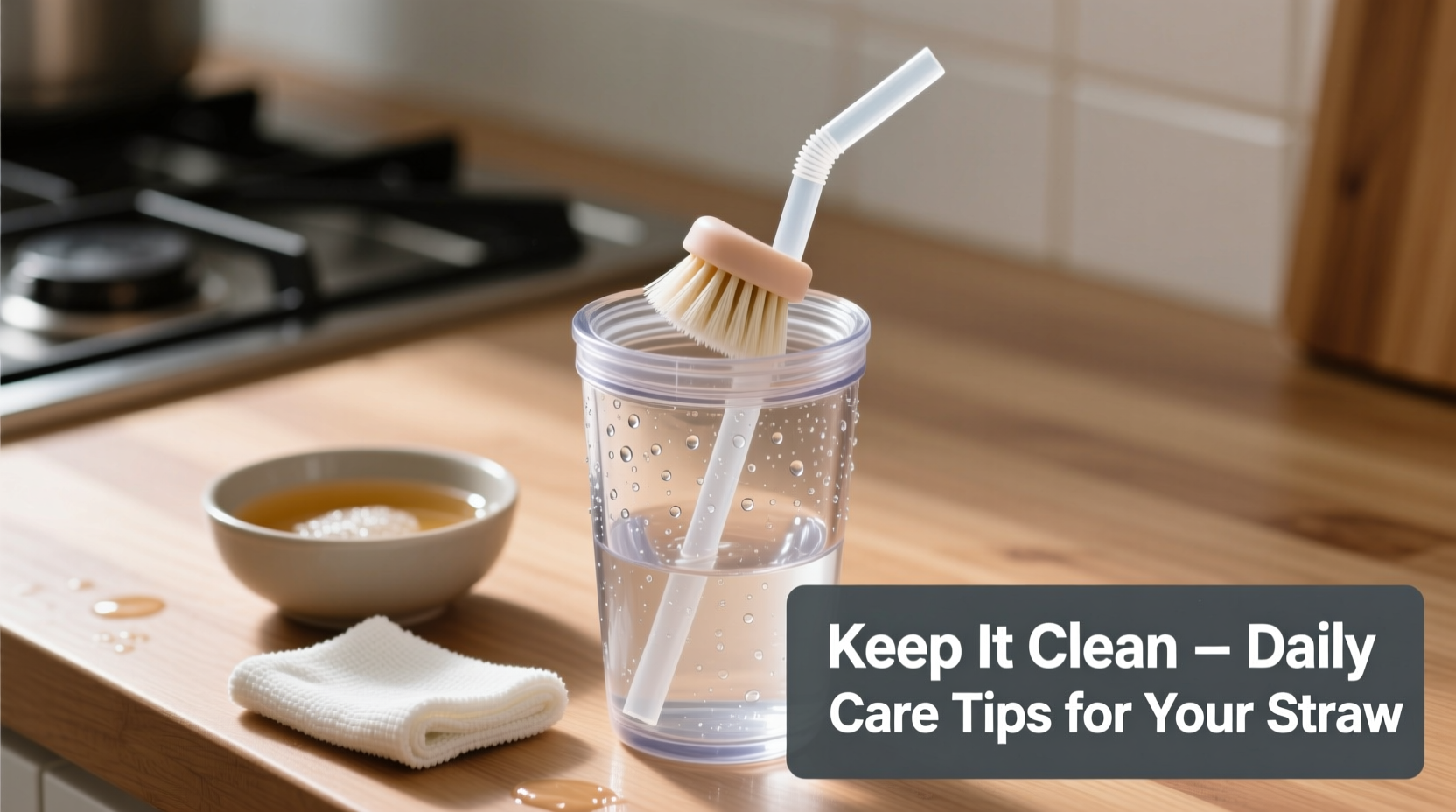
Unlike flat surfaces, straws have internal channels that trap liquids, sugars, and food particles. Beverages like smoothies, coffee with cream, or sugary drinks leave behind residues that feed bacteria and mold. These microorganisms thrive in moist, dark environments—exactly what’s inside an unwashed straw. According to the CDC, improperly cleaned reusable items can become breeding grounds for pathogens like E. coli and Salmonella, especially when shared or used over multiple days without thorough sanitation.
Regular cleaning isn’t just about freshness—it’s about safety. A study published in the Journal of Applied Microbiology found that reusable drinking straws left uncleaned for 48 hours showed significant microbial growth, including potentially harmful strains. This makes routine maintenance non-negotiable for anyone using a tumbler with a straw lid.
Step-by-Step Guide to Washing Your Tumbler Straw
Cleaning a tumbler straw effectively requires more than a quick rinse. Follow this detailed process to ensure every inch is sanitized and residue-free.
- Disassemble the Lid: Remove the straw from the tumbler lid. Most modern tumblers have detachable straws for easy cleaning. If your straw doesn’t come out easily, check the manufacturer’s instructions—some require twisting or gentle prying.
- Rinse Immediately After Use: As soon as you finish drinking, flush the straw with warm water. This prevents liquids from drying and clogging the interior.
- Use a Straw Brush: Insert a dedicated cleaning brush (usually made of silicone or nylon with a long, flexible handle) into the straw. Gently scrub the entire length, rotating the brush to cover all inner surfaces. Pay extra attention to the bottom curve and any ridges.
- Soak in Warm, Soapy Water: Submerge the straw and brush in warm water mixed with mild dish soap for 5–10 minutes. This loosens stubborn buildup.
- Scrub Again Post-Soak: Repeat the brushing step after soaking to remove any remaining film or particles.
- Rinse Thoroughly: Flush both ends with running water until no suds remain. Hold the straw up to the light to check for lingering debris.
- Air-Dry Completely: Place the straw upright on a clean towel or drying rack. Never store it while damp—moisture encourages mold.
- Reassemble Only When Dry: Once fully dry, reattach the straw to the lid and store the tumbler in a clean, dry place.
Best Practices for Long-Term Hygiene
Daily rinsing helps, but maintaining long-term cleanliness demands consistency and smart habits. Here’s how to stay ahead of contamination:
- Clean After Every Use: Even if you only drink water, microscopic biofilm can form over time. Treat every use as a cleaning opportunity.
- Avoid Harsh Chemicals: Bleach or abrasive cleaners may degrade silicone or plastic components. Stick to mild detergents.
- Replace Worn Brushes: Frayed bristles won’t clean effectively. Replace your straw brush every 2–3 months.
- Inspect Regularly: Look for cloudiness, cracks, or persistent odors—these are signs it’s time to replace the straw.
- Sanitize Weekly: For deeper disinfection, soak the straw in a solution of one part white vinegar to three parts water for 15 minutes once a week.
Do’s and Don’ts of Tumbler Straw Maintenance
| Do’s | Don’ts |
|---|---|
| Use a soft-bristle straw brush designed for narrow tubes | Use metal brushes that can scratch or damage silicone |
| Disassemble and clean all lid components weekly | Put straws in the dishwasher unless labeled dishwasher-safe |
| Air-dry upside down to prevent dust accumulation | Store in sealed containers while still damp |
| Label multiple straws if sharing among family members | Share straws directly—hygiene risk increases with cross-use |
| Replace straws annually or when signs of wear appear | Ignore cracks or cloudiness—they trap bacteria |
“Many people think rinsing is enough, but biofilm builds silently. A dedicated brush and consistent routine are essential.” — Dr. Lena Torres, Microbiologist & Public Health Consultant
Real-Life Example: How One Office Worker Avoided Mold Buildup
Sarah, a marketing manager in Seattle, used her insulated tumbler daily for iced lattes. After two weeks, she noticed a faint sour smell despite washing the cup. She disassembled the lid and discovered black specks inside the straw—early mold growth. Alarmed, she researched proper cleaning methods and began using a silicone cleaning brush and weekly vinegar soaks. Within days, the odor disappeared. Now, she keeps a cleaning kit in her desk drawer and cleans her straw every evening. “I didn’t realize how much gunk could hide in there,” she says. “Now I wouldn’t dream of skipping the brush.”
Frequently Asked Questions
Can I boil my tumbler straw to sterilize it?
Only if the manufacturer specifies heat resistance. Boiling can warp plastic or degrade silicone over time. For most straws, a vinegar soak or hot (not boiling) soapy water is safer and equally effective.
How often should I replace my tumbler straw?
Every 6 to 12 months, depending on usage and material. Signs it’s time to replace include cloudiness, stiffness, cracking, or persistent odors even after deep cleaning.
Are stainless steel straws easier to clean than silicone?
Stainless steel is more resistant to staining and odor absorption, but both require brushing. Silicone may retain smells if not cleaned promptly, but it’s less likely to dent or corrode. The key is technique, not material.
Checklist: Daily & Weekly Straw Care Routine
- ✅ Rinse straw immediately after each use
- ✅ Scrub with a designated brush at least once per day
- ✅ Disassemble and wash all lid parts twice a week
- ✅ Soak in vinegar solution once a week for disinfection
- ✅ Inspect for cracks, cloudiness, or residue buildup
- ✅ Store completely dry and upright
- ✅ Replace brush every 2–3 months
- ✅ Replace straw annually or sooner if damaged
Final Thoughts: Make Cleanliness a Habit
Properly washing your tumbler straw isn’t complicated, but it does require diligence. The small effort of brushing and drying pays off in longevity, performance, and personal health. Just like toothbrushing, straw cleaning should become a non-negotiable part of your routine. With the right tools and awareness, you can enjoy your favorite drinks without worrying about what’s lurking inside the tube.




 浙公网安备
33010002000092号
浙公网安备
33010002000092号 浙B2-20120091-4
Comments
No comments yet. Why don't you start the discussion?