
Applying powder foundation may seem straightforward, but achieving a smooth, natural finish requires more than just dusting on product. When done incorrectly, powder foundation can settle into fine lines, appear cakey, or emphasize dry patches. However, with the right tools, techniques, and preparation, it offers excellent coverage, oil control, and longevity—especially for those with oily or combination skin. This guide breaks down the most effective methods to apply powder foundation flawlessly, ensuring your makeup looks polished from morning to night.
Why Powder Foundation Deserves Your Attention
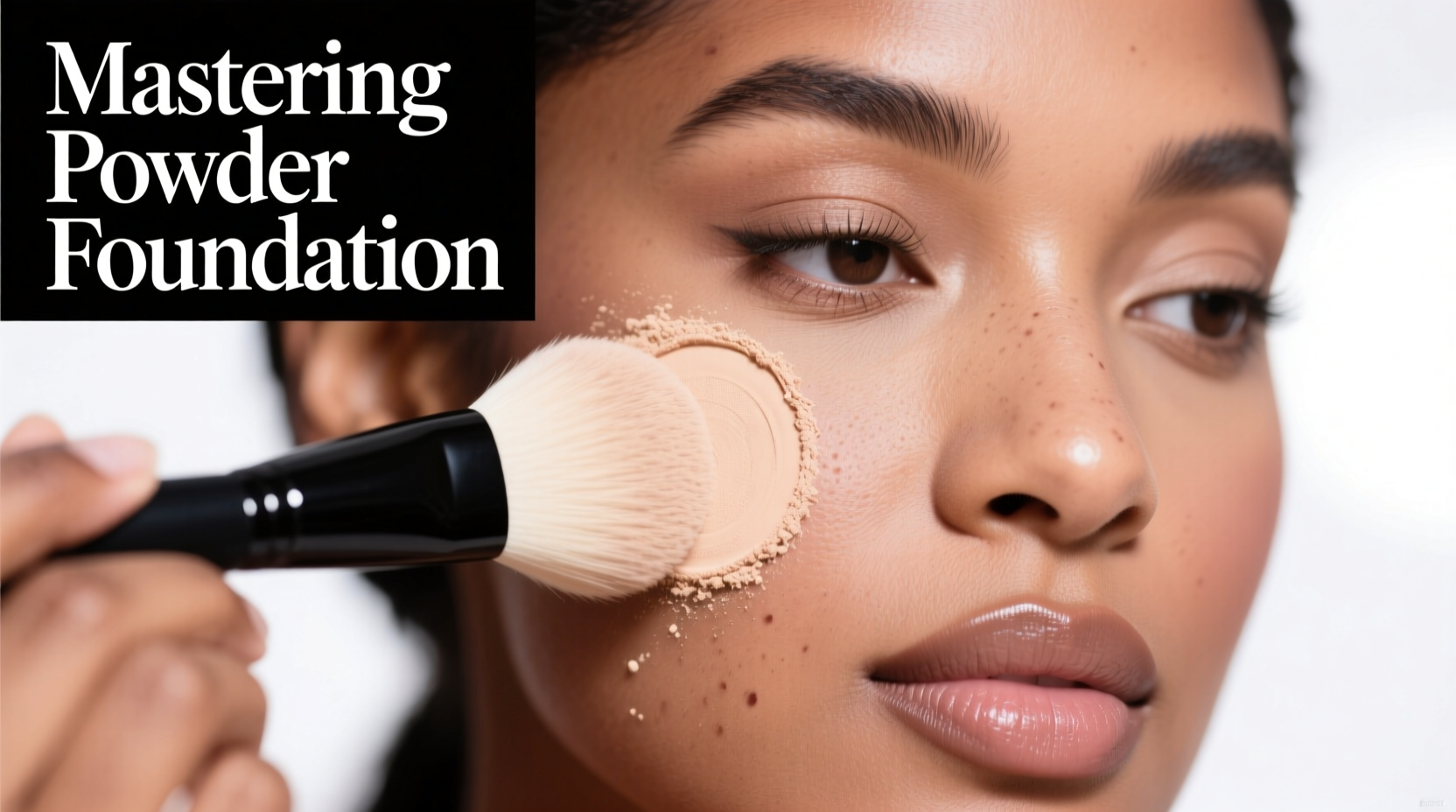
Powder foundation has evolved significantly over the years. Once associated with heavy, matte finishes, modern formulas now offer buildable coverage, lightweight textures, and even hydrating properties. It's particularly beneficial for individuals who spend long hours in humid environments, under bright lights, or need minimal touch-ups throughout the day.
Unlike liquid or cream foundations, powder formulations are less likely to oxidize or shift dramatically on the skin. They also double as setting agents, helping to lock in other makeup products while controlling shine. However, its success hinges entirely on proper application technique and skin prep.
“Powder foundation, when applied correctly, can provide a fresh, airbrushed look without looking flat or lifeless.” — Diane Reyes, Celebrity Makeup Artist
Step-by-Step Guide to Applying Powder Foundation
The key to mastering powder foundation lies in a structured routine. Follow this timeline for optimal results:
- Cleanse and moisturize: Start with freshly washed skin. Apply a lightweight, non-greasy moisturizer and allow it to absorb fully (5–10 minutes).
- Prime if needed: Use a mattifying primer for oily zones or a hydrating one for dry areas. This creates a smooth canvas and improves adherence.
- Apply sunscreen: If not already in your moisturizer, use a broad-spectrum SPF. Let it set before proceeding.
- Spot correct: Use concealer only where necessary—under eyes, redness, blemishes. Blend gently.
- Choose your tool: Decide between a dense powder brush, a buffing brush, or a sponge based on desired coverage.
- Load the product: Tap a small amount of powder into the lid. Swirl your tool lightly to pick up product—avoid plunging directly into the compact.
- Apply in sections: Work in small areas—forehead, cheeks, nose, chin. Use circular motions for even distribution.
- Build gradually: Add more powder only where needed. It’s easier to add than remove excess.
- Blend edges: Ensure no harsh lines along the jaw, hairline, or neck.
- Set selectively: If using other makeup, you may not need additional setting powder—powder foundation often serves this purpose.
Choosing the Right Tools and Techniques
Your choice of applicator dramatically affects the final result. Here’s how different tools influence your finish:
| Tool | Best For | Application Tip |
|---|---|---|
| Dense Kabuki Brush | Full coverage, oily skin | Use tight circular motions; ideal for buffing product into skin. |
| Fluffy Powder Brush | Light coverage, natural finish | Sweep lightly across face for an ethereal, diffused look. |
| Makeup Sponge (damp) | Pressed powder foundations, dewy finish | Bounce gently—don’t drag—to press product into skin. |
| Fingers | Spot application, travel | Wash hands first; warm fingers help blend but limit overall use. |
For a seamless finish, professionals recommend starting at the center of the face and blending outward. This ensures the highest coverage is where it’s most needed—around the nose and forehead—while fading naturally at the edges.
Common Mistakes and How to Avoid Them
Even experienced users make errors that compromise their makeup. Below are frequent pitfalls and their solutions:
- Skipping moisturizer: Dry skin will accentuate flakiness. Always hydrate beforehand—even oily skin needs moisture.
- Using too much product: Overloading leads to caking. Apply in thin layers and assess after each pass.
- Not blending the neck: A visible line of demarcation is unflattering. Extend application slightly onto the neck for continuity.
- Reapplying haphazardly: Midday touch-ups should be targeted. Blot oil first, then lightly dust powder only on shiny areas.
- Ignoring lighting: Natural daylight reveals true color match. Check your finish near a window before leaving home.
Real Example: From Cakey to Flawless
Sophia, a marketing executive, struggled with her powder foundation looking dry by mid-morning. She used a large brush and applied liberally across her entire face, including dry cheek areas. After consulting a makeup artist, she adjusted her routine: she began using a hydrating serum before moisturizing, switched to a damp sponge for her cheeks, and reserved the kabuki brush only for her T-zone. The result? Her foundation lasted eight hours without creasing, and her skin appeared balanced and radiant.
This case highlights how minor adjustments—especially in tool selection and layering—can transform a problematic routine into a reliable one.
Checklist for Perfect Powder Foundation Application
Keep this checklist handy until the process becomes second nature:
- ✅ Skin is cleansed and moisturized
- ✅ Primer and sunscreen are absorbed
- ✅ Concealer is blended
- ✅ Applicator is clean and suitable for coverage level
- ✅ Product is tapped, not poured, onto the brush
- ✅ Applied in small sections with circular motions
- ✅ Edges are blended into hairline and jaw
- ✅ Neck is lightly dusted for seamless transition
- ✅ Final look checked in natural light
FAQ
Can I use powder foundation on dry skin?
Yes, but with caution. Opt for a finely milled, luminous formula and prep thoroughly with hydrating products. Avoid matte or full-coverage powders unless used sparingly in oily zones.
Should I use powder foundation every day?
It depends on your skin type and lifestyle. Those in high-humidity environments or with oily skin may benefit daily. Others might reserve it for events or long days. Listen to your skin’s needs.
How do I prevent powder from looking ghostly in photos?
Avoid formulas with excessive silica or SPF, which can flashback. Use a photo-friendly setting spray after application to melt the powder into the skin and reduce flash glare.
Conclusion: Elevate Your Everyday Routine
Mastering the best way to put on powder foundation isn’t about following trends—it’s about understanding your skin and working with it, not against it. With deliberate prep, the right tools, and mindful application, powder foundation can deliver a fresh, polished look that lasts. Whether you're heading to the office, attending an event, or simply want low-maintenance coverage, these techniques ensure you look and feel confident all day.




 浙公网安备
33010002000092号
浙公网安备
33010002000092号 浙B2-20120091-4
Comments
No comments yet. Why don't you start the discussion?