
Baby blankets are more than just fabric—they're a source of comfort, warmth, and security for infants during their earliest months. Parents often invest in high-quality, ultra-soft materials like cotton, bamboo, or fleece to ensure their little ones feel safe and cozy. However, frequent use, washing, and friction can quickly degrade the texture, leading to stiffness and unsightly pilling. With the right care routine, it’s possible to maintain that just-bought softness for months—or even years. This guide outlines practical, science-backed strategies to preserve your baby blanket’s plush feel while minimizing wear and tear.
Understanding Fabric Pilling and Softness Loss
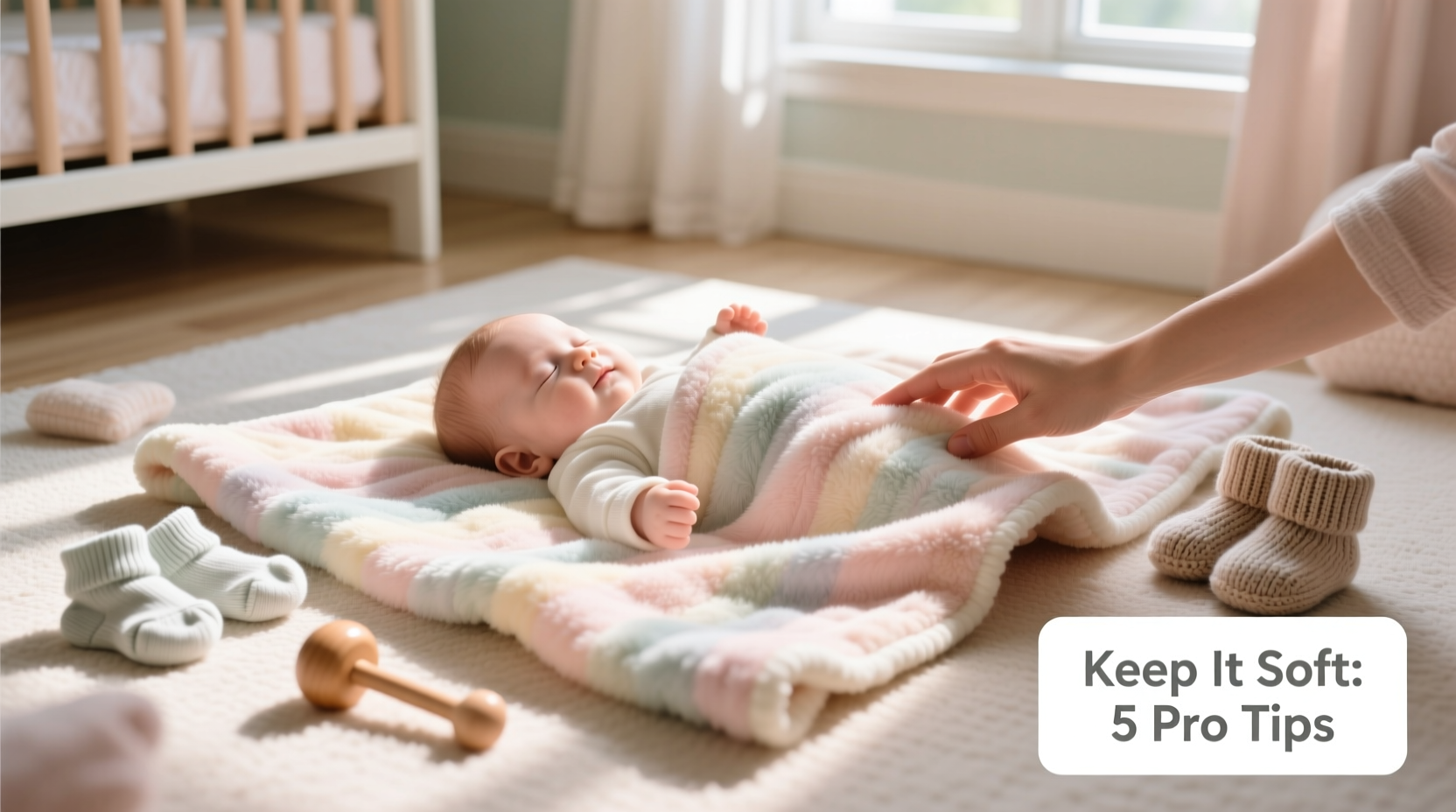
Pilling occurs when short fibers on the surface of fabric tangle into small balls due to friction, heat, and mechanical stress—common during machine washing or when rubbed against car seats, strollers, or tiny hands. Fabrics like polyester blends, fleece, and loosely woven knits are especially prone to this issue. Softness diminishes not only from pilling but also from detergent residue, hard water minerals, and improper drying methods.
The key to prevention lies in understanding fiber behavior. Natural fibers such as cotton and bamboo tend to soften over time if washed gently, whereas synthetic blends may degrade faster under harsh conditions. According to Dr. Lena Patel, textile researcher at the Institute of Home Textile Innovation:
“Repeated exposure to high heat and aggressive detergents breaks down fiber integrity. For baby textiles, low-stress maintenance is non-negotiable.” — Dr. Lena Patel, Textile Researcher
Washing Techniques That Preserve Softness
How you wash a baby blanket has the greatest impact on its longevity. Many parents unknowingly damage delicate fabrics by using standard laundry settings meant for towels or adult clothing.
Follow these best practices for washing:
- Use cold water: Hot water weakens fibers and accelerates pilling. Cold water cleans effectively without compromising structural integrity.
- Select gentle cycle: High spin speeds and agitators create friction. The delicate or hand-wash setting minimizes mechanical stress.
- Choose mild detergent: Avoid products with bleach, enzymes, or optical brighteners. Opt for fragrance-free, hypoallergenic formulas designed for babies.
- Wash less frequently: Unless soiled, air out and spot-clean between full washes. Overwashing strips natural oils and increases fiber breakdown.
Step-by-Step Washing Routine
- Check the care label for material-specific instructions.
- Turn the blanket inside out to protect the outer surface.
- Pre-treat stains with a dab of baby-safe stain remover.
- Load the machine with similar soft items (e.g., pajamas) to balance agitation.
- Use half the recommended amount of gentle detergent.
- Set machine to cold water, gentle cycle, low spin.
- Remove immediately after the cycle ends to prevent wrinkling.
Drying Methods to Prevent Stiffness and Pilling
Drying is where many caregivers make critical mistakes. Tumble drying at high heat is a primary cause of both pilling and loss of softness, especially in synthetic fabrics.
| Drying Method | Effect on Softness | Risk of Pilling | Best For |
|---|---|---|---|
| Air Dry (Flat) | Excellent – retains original texture | Very Low | All fabrics, especially wool & bamboo |
| Tumble Dry (Low Heat) | Good – if removed promptly | Moderate | Cotton, microfiber |
| Tumble Dry (High Heat) | Poor – causes fiber damage | High | Not recommended |
| Line Dry (Hanging) | Fair – may stretch fabric | Low | Lightweight cottons |
To maximize results, lay heavier blankets flat on a clean drying rack away from direct sunlight. UV rays can fade colors and weaken fibers over time. If using a dryer, add a single wool dryer ball to soften fabric naturally and reduce static—never use dryer sheets, which leave a waxy coating that dulls softness.
Storage and Daily Use Tips
Even when not in use, how a baby blanket is stored affects its condition. Folding and stacking heavy items on top can compress fibers, leading to permanent creases and rough patches.
When used daily, avoid placing blankets directly on abrasive surfaces like sand, carpet, or rough upholstery. Use a stroller liner or playmat as a buffer. Rotate between two or three blankets to distribute wear evenly and extend each one’s lifespan.
Mini Case Study: The Johnson Family’s Blanket Care Routine
The Johnsons noticed their newborn’s favorite fleece blanket began to pill within weeks. After consulting a pediatric nurse who also specialized in textile care, they adjusted their routine. They switched to cold, gentle washes every 10–14 days, stopped using scented detergent, and began air-drying all baby textiles. Within a month, no new pills formed, and the existing ones were minimized with a fabric shaver. Two months later, the blanket remained soft and intact—proof that small changes yield long-term benefits.
Essential Do’s and Don’ts Checklist
Keep this checklist handy for quick reference:
- ✅ Do: Wash in cold water on gentle cycle
- ✅ Do: Use fragrance-free, baby-safe detergent
- ✅ Do: Air dry or tumble dry on low heat
- ✅ Do: Store in a cool, dry, ventilated space
- ✅ Do: Rotate multiple blankets to reduce wear
- ❌ Don’t: Use bleach or fabric softener
- ❌ Don’t: Overload the washing machine
- ❌ Don’t: Expose to high heat or direct sun for long periods
- ❌ Don’t: Wash with coarse items like jeans or towels
- ❌ Don’t: Ignore care labels
FAQ: Common Questions About Baby Blanket Care
Can I use fabric softener to keep the blanket soft?
No. While fabric softeners may provide temporary softness, they coat fibers with chemicals that reduce absorbency and build up over time, making fabrics stiff and less breathable. Instead, use wool dryer balls or a quarter-cup of white vinegar in the rinse cycle to naturally soften fabric.
How do I remove existing pills without damaging the blanket?
Use a handheld fabric shaver or a fine-tooth sweater stone. Gently glide it across the surface to lift pills without pulling underlying fibers. Avoid using scissors or razors, which can snag and tear the material.
Are some fabrics naturally more resistant to pilling?
Yes. Tightly woven combed cotton, bamboo viscose, and high-grade merino wool resist pilling better than looser knits or synthetic blends. When purchasing new blankets, look for terms like “anti-pill fleece” or “brushed microfiber” for improved durability.
Final Thoughts: Small Habits, Lasting Comfort
Keeping a baby blanket soft and pill-free isn’t about perfection—it’s about consistency. By adjusting your laundry habits, choosing gentler drying methods, and storing textiles properly, you preserve not just the fabric’s quality but also the emotional comfort it provides. These routines take minimal extra effort but deliver significant returns in longevity and safety for your child.




 浙公网安备
33010002000092号
浙公网安备
33010002000092号 浙B2-20120091-4
Comments
No comments yet. Why don't you start the discussion?