
Sleeping in complete darkness is essential for optimal melatonin production and restful recovery. A high-quality sleep eye mask can block out light and help you fall asleep faster, but only if it stays in place throughout the night. Many people struggle with masks that shift, slide, or slip off during sleep—especially side or stomach sleepers. The good news: with the right fit, materials, and adjustments, you can keep your eye mask securely positioned from bedtime to morning. This guide explores practical, tested strategies to eliminate slippage and maximize comfort.
Choose the Right Fit and Design
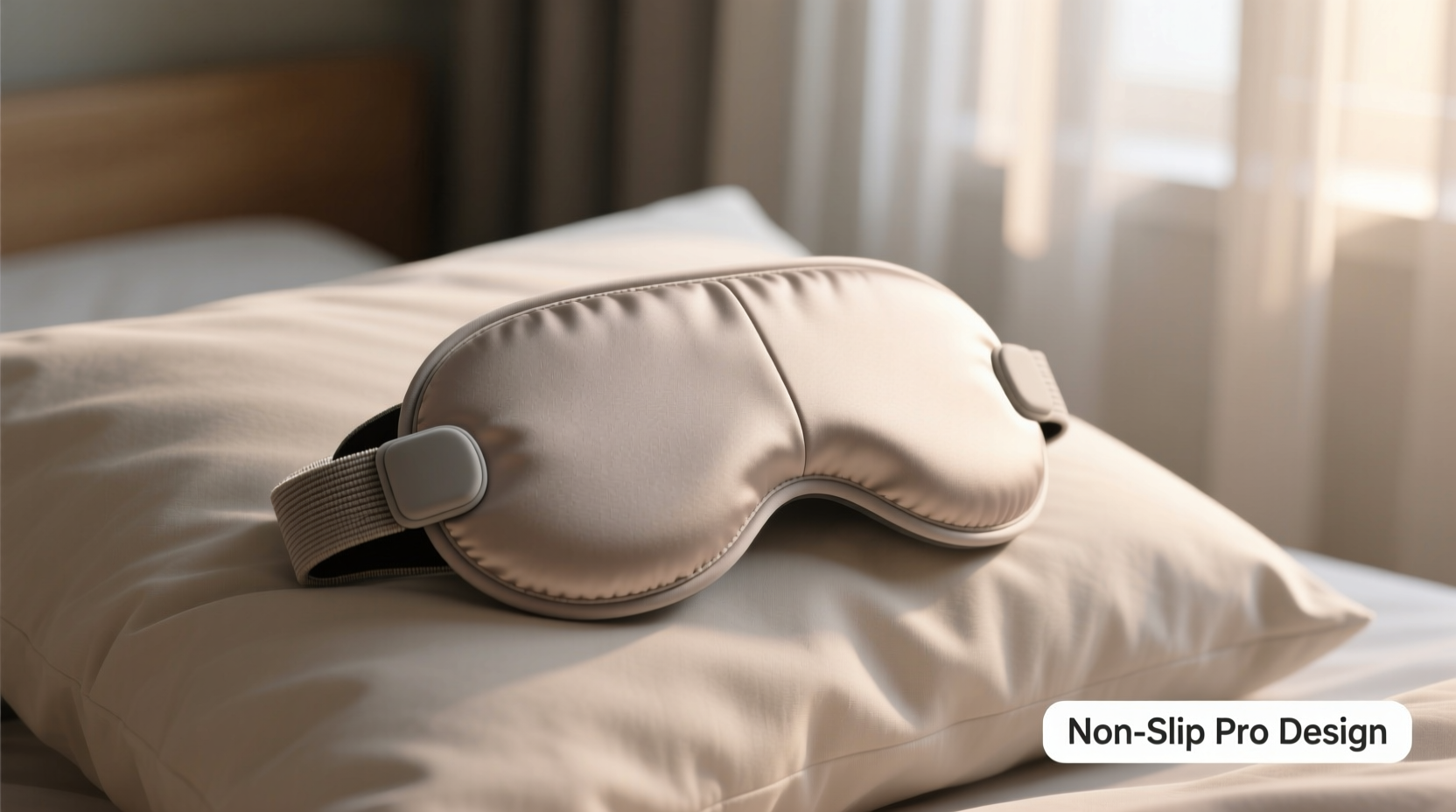
The foundation of a secure fit begins with selecting an eye mask designed for stability. Not all masks are created equal—some prioritize style over function, leading to frequent repositioning. Look for models with contoured shapes that follow the natural curve of your face, leaving space between the fabric and your eyelashes to avoid pressure while still blocking light.
Adjustable straps are non-negotiable. Elastic bands that are too tight cause discomfort and headaches; those too loose fail to hold the mask in place. Opt for masks with wide, soft straps made from moisture-wicking fabric to prevent hair snagging and reduce friction on delicate skin.
Optimize Strap Placement and Tension
Even the best-designed mask will slip if worn incorrectly. The key is balancing tension and placement. Position the strap at the widest part of your head—typically just above the ears and below the crown. Too high, and it may dig into your scalp; too low, and it won’t provide enough grip.
For side sleepers, consider crisscrossing the strap behind your head. This creates a more stable anchor point and reduces lateral movement when turning. If your mask has a hook-and-loop (Velcro) closure, fasten it toward the back rather than the side for even pressure distribution.
“Proper strap alignment can reduce nighttime adjustments by up to 70%. It’s not just about tightness—it’s about balance.” — Dr. Lena Torres, Sleep Ergonomics Researcher, National Sleep Foundation
Material Matters: Fabric That Stays Put
The texture of both the mask and your bedding plays a significant role in slippage. Smooth fabrics like silk or satin create less friction, which sounds beneficial—but they can also make masks slide more easily across pillow surfaces.
Instead, look for masks with anti-slip features such as silicone grips, micro-textured inner linings, or rubberized strips along the strap. These subtle additions increase traction without compromising comfort. Similarly, pairing your mask with cotton or bamboo pillowcases can enhance grip compared to ultra-slippery silk.
| Fabric Type | Slip Resistance | Best For |
|---|---|---|
| Silicone-grip lining | High | Active sleepers, side sleepers |
| Microfiber with rubber strip | Moderate-High | All sleep positions |
| Plain silk interior | Low | Back sleepers, sensitive skin |
| Cotton-poly blend | Moderate | Daily use, budget-friendly options |
Step-by-Step Guide to Securing Your Eye Mask
Follow this nightly routine to ensure maximum retention:
- Position the mask correctly: Place it over your eyes, ensuring the bottom edge rests gently on your nasal bridge and the top clears your eyebrows.
- Adjust the strap slowly: Pull the ends evenly until snug but not constricting—about two fingers’ width of slack should remain.
- Secure the closure at the back: Fasten Velcro or clips toward the rear of your head for balanced tension.
- Test mobility: Gently turn your head side to side. If the mask shifts, tighten slightly or reposition the strap higher.
- Use supplemental anchoring (optional): For restless sleepers, add a soft sleep cap or wrap a thin headband over the strap to lock it in place.
Real-Life Example: Overcoming Nightly Slippage
Jamal, a 34-year-old software developer and chronic insomniac, struggled with his eye mask sliding off within minutes of falling asleep. He tried multiple brands but found himself waking up to readjust every few hours. After consulting a sleep coach, he switched to a contoured memory foam mask with silicone-lined straps and began using a breathable cotton headband over the band.
He also adjusted his pillow height to reduce neck strain, which had been causing him to toss and turn excessively. Within a week, Jamal reported no mask displacement and a 45-minute increase in deep sleep, confirmed via wearable tracking. His experience underscores how small, intentional changes can yield dramatic improvements in sleep continuity.
Common Mistakes That Cause Slippage
- Over-tightening the strap: Causes discomfort, pressure points, and eventually loosens during sleep due to shifting.
- Wearing long hair loose: Hair can tangle in the strap or create a slippery layer between the band and scalp.
- Using damaged or stretched straps: Elastic loses resilience over time. Replace masks showing signs of wear.
- Sleeping on satin pillows without adjustment: While gentle on skin and hair, they require higher-traction masks.
Checklist: Secure Your Eye Mask Tonight
Before bed, run through this quick checklist:
- ✅ Choose a mask with adjustable, wide straps
- ✅ Confirm the fit allows blinking and slight movement without lifting
- ✅ Use a mask with textured or silicone grip lining
- ✅ Position the strap above the ears, not over them
- ✅ Consider wearing a lightweight headband over the strap
- ✅ Avoid oily lotions on forehead before bed
- ✅ Wash the mask weekly to maintain fabric integrity
Frequently Asked Questions
Can I wear glasses with a secure-fit eye mask?
Yes, but choose a mask with cutouts or a flexible frame design. Some models accommodate glasses temples by allowing the arms to pass through small slits. Alternatively, switch to contact lenses at night or use a larger contoured mask that doesn’t press against the frames.
Why does my eye mask always end up around my neck?
This usually indicates insufficient strap tension or poor anchoring. Try crisscrossing the strap behind your head or adding a soft headband to hold it in place. Also, check if your pillow height is causing excessive head movement during sleep.
Are weighted eye masks better at staying put?
Weighted masks can improve stability due to gentle pressure, but only if properly balanced. Poorly distributed weight may cause one side to sag. Look for models with evenly dispersed microbeads and secure stitching.
Final Thoughts: Sleep Better with a Mask That Stays On
A sleep eye mask should enhance rest, not disrupt it. By choosing the right design, adjusting the fit mindfully, and incorporating simple anchoring techniques, you can eliminate the frustration of constant readjustment. Consistency matters—once you find a system that works, stick with it. Over time, your body will adapt to the sensation, and staying in darkness all night will become second nature.




 浙公网安备
33010002000092号
浙公网安备
33010002000092号 浙B2-20120091-4
Comments
No comments yet. Why don't you start the discussion?