
Smartphones are essential tools for communication, productivity, and entertainment. With daily use comes inevitable wear and exposure to drops, scratches, and environmental hazards. While many opt for rigid plastic or metal cases, thermoplastic polyurethane (TPU) cases have emerged as a top-tier solution for balanced durability and flexibility. However, simply owning a TPU case isn’t enough—how you use and maintain it determines the level of protection your phone receives. By adopting smart habits and understanding the material’s strengths, you can significantly extend your phone’s lifespan and keep it looking new.
Understanding TPU: Why It’s Ideal for Phone Protection
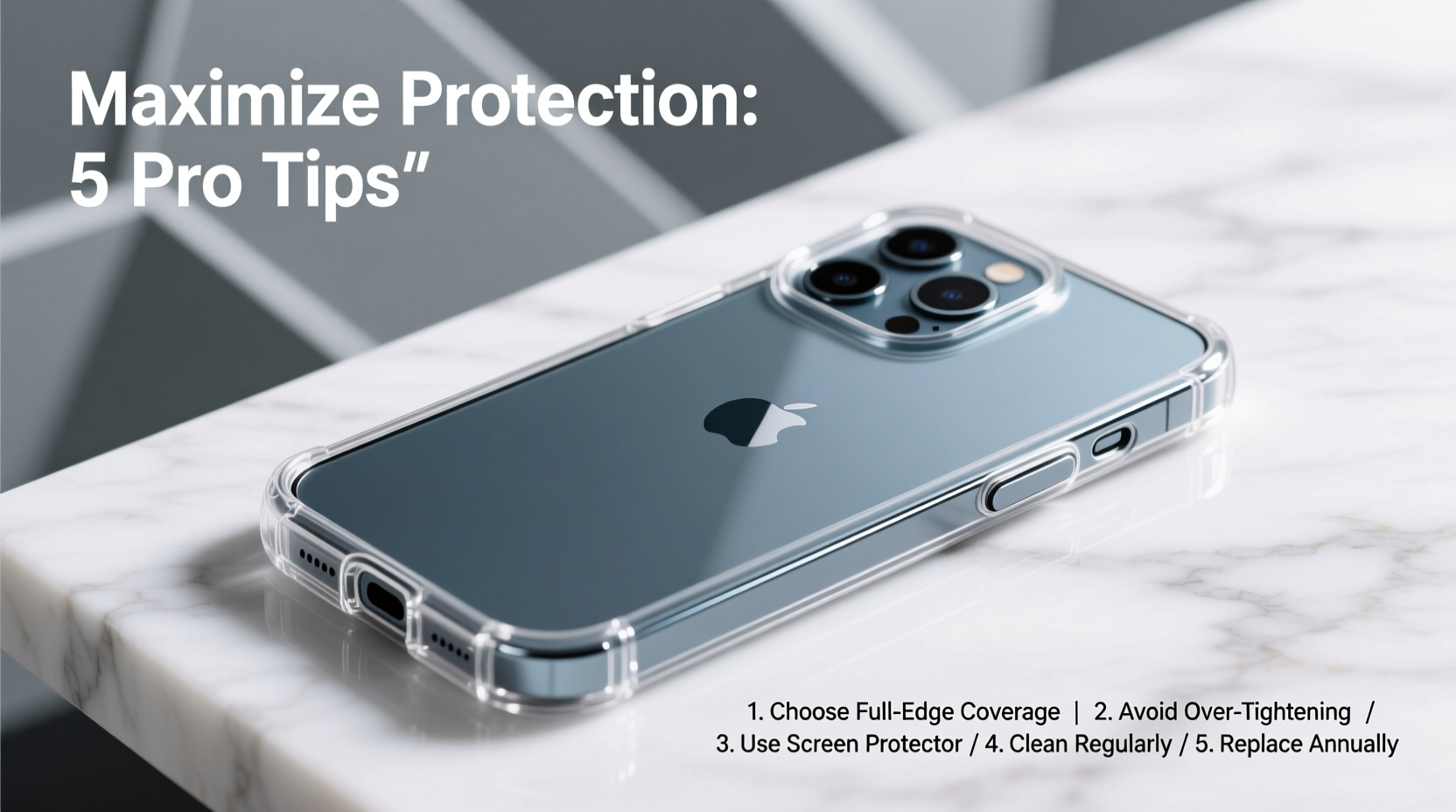
Thermoplastic polyurethane is a hybrid material that blends the resilience of rubber with the structural integrity of plastic. Unlike brittle polycarbonate or inflexible silicone, TPU offers shock absorption without sacrificing form. Its molecular structure allows it to compress upon impact and return to its original shape, making it exceptionally effective at absorbing kinetic energy during drops.
One of the standout qualities of TPU is its resistance to yellowing, abrasion, and UV degradation—common issues with cheaper silicone or soft gel cases. High-quality TPU also resists oils and everyday grime, which helps maintain both appearance and grip over time. When properly selected and maintained, a TPU case acts as a dynamic shield rather than just a passive cover.
“TPU strikes the perfect balance between cushioning and slim design. For most users, it’s the optimal middle ground between protection and usability.” — Dr. Lena Torres, Materials Engineer at Mobile Durability Labs
Choosing the Right TPU Case for Maximum Effectiveness
Not all TPU cases are created equal. To fully leverage the protective benefits, consider these key selection criteria:
- Thickness and edge height: Opt for cases with raised edges around the screen and camera lens to prevent direct contact with surfaces.
- Internal microfiber lining: Some premium TPU cases include a soft inner layer that minimizes internal scratching.
- Reinforced corners: Look for models with extra padding in the corners—the most common impact points during drops.
- Precision cutouts: Ensure speaker, charging port, and button openings are exact to avoid dust accumulation or reduced functionality.
- Matte vs. glossy finish: Matte finishes resist fingerprints and offer better grip, while glossy options may look sleeker but attract smudges more easily.
Step-by-Step Guide to Maximizing Protection with Your TPU Case
To get the most out of your TPU case, follow this actionable sequence:
- Select a high-quality case from a reputable brand known for consistent manufacturing standards.
- Clean your phone thoroughly before installation to prevent trapped dust or debris that could scratch the surface.
- Align the case carefully when installing—start with one corner and gently snap each side into place to avoid stress fractures.
- Pair with a tempered glass screen protector to create a layered defense system: TPU handles body impacts, while glass protects the display.
- Inspect monthly for signs of warping, discoloration, or loose fit, especially after extreme temperature exposure.
- Remove and clean the case every 2–3 weeks using mild soap, water, and a soft brush to eliminate built-up oils and particles.
- Allow both phone and case to dry completely before reassembling to prevent moisture trapping.
Do’s and Don’ts of TPU Case Maintenance
| Do’s | Don’ts |
|---|---|
| Use a microfiber cloth to wipe down the case regularly | Leave the case in direct sunlight for extended periods |
| Store the phone in a bag or pocket away from keys and coins | Use alcohol-based cleaners frequently (can degrade TPU over time) |
| Rotate between two cases if used in harsh environments | Force ports or buttons if the case feels tight |
| Apply a small amount of baby powder to reduce stickiness on aging cases | Ignore persistent cracks or detachment at the corners |
Real-World Example: How One User Prevented Costly Damage
Jamal, a field technician based in Denver, uses his smartphone constantly—from inspecting equipment to logging data in rugged terrain. After cracking his second phone in under a year, he invested in a military-grade TPU case with reinforced corners and a matte anti-slip texture. He paired it with a screen protector and committed to cleaning both weekly. Over the next 18 months, his phone survived multiple falls from waist height onto concrete, exposure to rain, and being tossed into tool bags alongside metal tools. The case showed minor scuffing but no structural damage. His phone remained fully functional with no screen cracks or internal malfunctions. This real-world test underscores how proper case selection and maintenance directly translate to long-term savings and reliability.
Enhancing Protection Through Smart Habits
A TPU case performs best when supported by user behavior. Consider these complementary practices:
- Avoid extreme temperatures: Prolonged exposure to heat (e.g., left in a car on a sunny day) can warp TPU and weaken adhesion over time.
- Minimize pocket carry with sharp objects: Keys, pens, or multitools in the same pocket can gouge the case and transfer force to the phone.
- Use wireless charging compatibility: Ensure your TPU case doesn’t interfere with Qi charging efficiency—most thin-to-mid profile TPUs allow seamless charging.
- Combine with a screen protector: Even the best case won’t stop screen damage from face-down drops. A tempered glass layer completes the defense.
- Replace every 12–18 months: Despite durability, TPU degrades slowly due to UV exposure and repeated stress. Proactive replacement ensures uninterrupted protection.
Frequently Asked Questions
Does TPU turn yellow over time?
High-quality TPU resists yellowing far better than silicone or low-grade plastics. However, prolonged exposure to UV light, cigarette smoke, or oily hands can cause gradual discoloration. Choosing a case with UV inhibitors and cleaning it regularly minimizes this risk.
Can I use my TPU case with a phone mount or wallet attachment?
Yes, most modern magnetic mounts and clip-on accessories are designed to work seamlessly with TPU cases. Just ensure the case isn’t excessively thick, which might reduce magnetic grip strength. Some brands even offer compatible ecosystem add-ons.
Is TPU better than silicone for drop protection?
In most cases, yes. TPU has superior tensile strength and rebound characteristics compared to silicone. While silicone feels softer, it often lacks structural memory and can deform permanently after impacts. TPU absorbs shock more efficiently and maintains its shape longer.
Final Recommendations: Building a Long-Term Protection Strategy
Maximizing phone protection isn't about relying solely on a single product—it's about creating a sustainable system. A high-quality TPU case serves as the foundation, but its effectiveness multiplies when combined with mindful usage, routine maintenance, and timely upgrades. Think of your case as active armor: it needs inspection, cleaning, and eventual retirement to keep performing optimally.
By choosing wisely, maintaining consistently, and pairing your TPU case with complementary safeguards like screen protectors and safe carrying habits, you dramatically reduce the risk of costly repairs or premature device replacement. In an era where phones are both expensive and indispensable, investing a few minutes in care pays off in years of reliable service.




 浙公网安备
33010002000092号
浙公网安备
33010002000092号 浙B2-20120091-4
Comments
No comments yet. Why don't you start the discussion?