
Faux fur throws have become a staple in modern homes—offering warmth, texture, and a touch of luxury without the ethical concerns of real fur. However, one common frustration many owners face is shedding. Over time, fibers loosen, the fabric mats, and that once-plush throw begins to look worn and lifeless. The good news: with proper care, most shedding can be prevented, and your faux fur throw can remain soft and inviting for years.
Understanding the causes of shedding and applying consistent maintenance techniques makes all the difference. Unlike natural fibers, synthetic faux fur reacts differently to cleaning, friction, and environmental conditions. This guide breaks down science-backed methods and expert-approved routines to preserve the integrity and appearance of your favorite throws.
Why Faux Fur Throws Shed
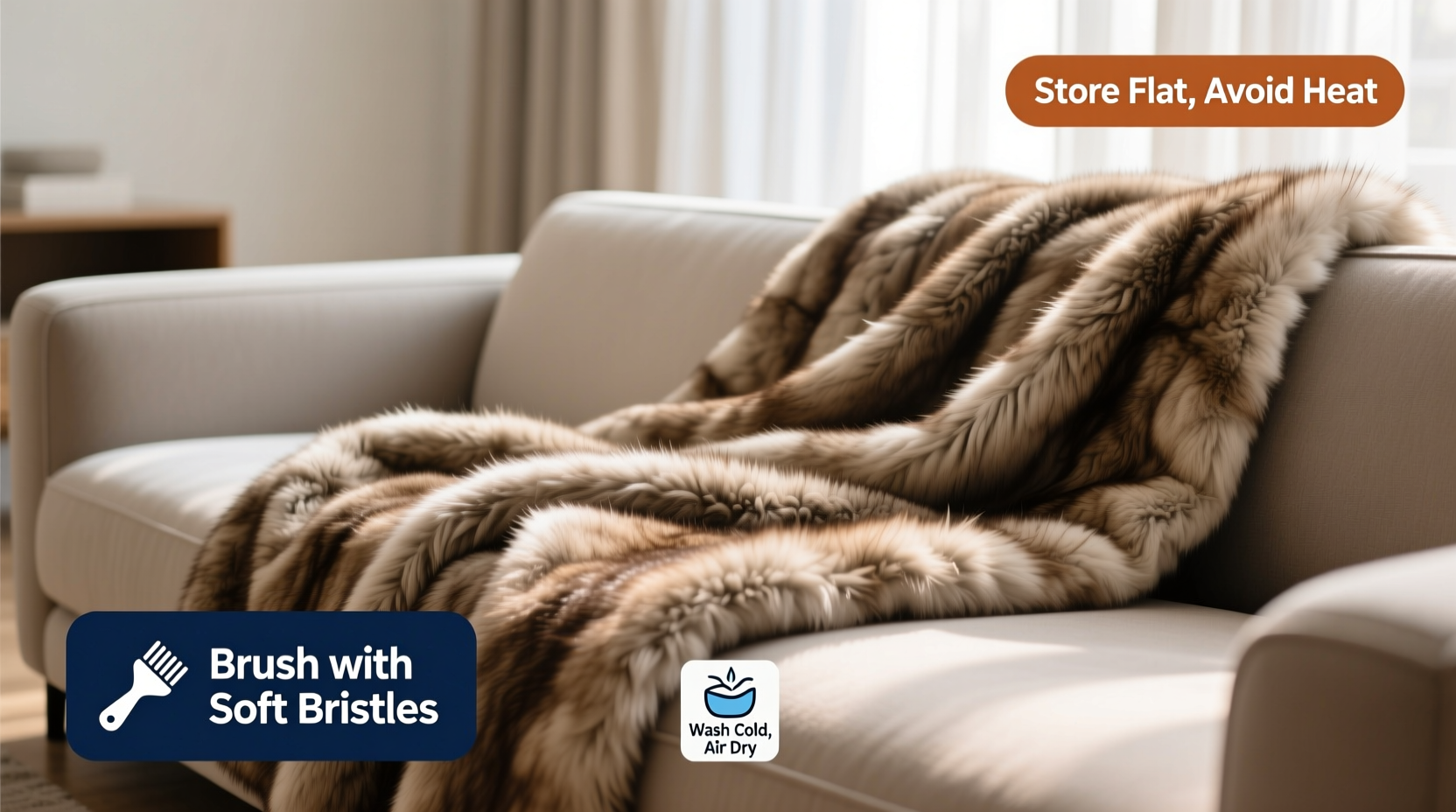
Shedding in faux fur isn’t inevitable—it’s often a result of poor manufacturing or improper care. Most faux fur is made from acrylic, polyester, or a blend of synthetic fibers woven into a backing material. During production, not all fibers are secured tightly, leading to loose strands that release over time, especially when exposed to friction or agitation.
Additional factors include:
- Excessive rubbing: From pets, frequent use, or improper washing.
- Poor ventilation: Storing in damp or humid areas weakens fiber bonds.
- Heat exposure: Radiators, dryers, or direct sunlight degrade synthetic fibers.
- Low-quality materials: Budget-friendly throws often use shorter fibers and weaker backings.
While some initial shedding is normal during the first few weeks, ongoing fluff loss indicates a need for better care practices.
Step-by-Step Guide to Minimize Shedding
Preventing shedding starts with how you handle the throw daily and continues through proper cleaning and storage. Follow this routine to maintain its lush texture:
- Initial Inspection: Check the care label. Some faux furs are machine-washable; others require dry cleaning. Never assume.
- Dry Brushing (Weekly): Use a soft-bristle clothing brush or pet grooming tool to lift surface debris and align fibers. Always brush in the direction of the pile.
- Vacuuming (Monthly): Use the upholstery attachment on low suction. Hold the fabric taut and move slowly to avoid pulling out fibers.
- Spot Cleaning (As Needed): Dab spills immediately with a microfiber cloth. For stains, mix mild detergent with water and gently blot—never rub.
- Deep Cleaning (Every 3–6 Months): If machine-safe, wash on cold, gentle cycle with a mesh laundry bag. Use a non-abrasive, fragrance-free detergent. Air dry only.
- Post-Cleaning Fluffing: Once dry, shake vigorously and brush lightly to restore volume.
This regimen removes debris that can abrade fibers while reinforcing the throw’s structure through careful handling.
Do’s and Don’ts of Faux Fur Care
| Do | Don’t |
|---|---|
| Brush regularly with a soft clothes brush | Use wire brushes or pet slickers designed for thick coats |
| Wash in cold water on gentle cycle (if allowed) | Wash with heavy items like jeans or towels |
| Air dry flat away from direct heat | Tumble dry—even on low heat |
| Store loosely folded or rolled in breathable cotton bag | Compress or store in plastic bins (traps moisture) |
| Rotate usage between multiple throws | Leave on high-traffic furniture constantly |
Following these guidelines protects both the surface nap and the backing fabric, minimizing stress points where shedding begins.
Expert Insight: What Professionals Recommend
“Consistent, gentle maintenance is key. Faux fur isn’t high-maintenance, but it does react poorly to harsh treatment. A monthly brushing and seasonal cleaning can extend its plush life by 3–5 years.” — Lena Reyes, Textile Care Specialist at Urban Home Labs
Reyes emphasizes that many consumers over-wash their throws, which accelerates fiber breakdown. “Synthetic fur doesn’t get ‘dirty’ like cotton,” she explains. “Surface dust and oils are the real enemies. Regular dry maintenance beats deep washing any day.”
She also warns against using fabric softeners, which coat fibers and reduce breathability, making them more prone to matting and static buildup—both precursors to shedding.
Real Example: How Sarah Saved Her Shedding Throw
Sarah, a homeowner in Portland, noticed her cream-colored faux fur throw was losing clumps of fiber after just two months. She loved its softness but dreaded the lint on her dark sofa. After researching, she realized she had been tossing it in the washer monthly on warm—a major mistake.
She switched to a new routine: brushing weekly with a cashmere comb, spot-cleaning spills with diluted dish soap, and air-drying after a single cold hand-wash. Within weeks, shedding decreased dramatically. Six months later, the throw looked nearly new.
“I thought I needed to replace it,” she said. “But really, I just needed to stop overwashing it. Now I treat it like a delicate knit sweater—and it’s lasted twice as long.”
Checklist: Keep Your Faux Fur Throw Plush & Shed-Free
Print or save this checklist to stay on track:
- ☑ Read and follow the care label strictly
- ☑ Brush gently once a week with a soft-bristle tool
- ☑ Vacuum monthly using low suction and upholstery attachment
- ☑ Spot clean stains immediately with mild soap and water
- ☑ Wash only when necessary—max every 3–6 months
- ☑ Always air dry flat, away from heat sources
- ☑ Store in a breathable cotton bag, not compressed
- ☑ Avoid placing near radiators, fireplaces, or direct sunlight
- ☑ Rotate with other throws to reduce wear
- ☑ Never use bleach, fabric softener, or dryer sheets
FAQ: Common Questions About Faux Fur Care
Can I use a lint roller on my faux fur throw?
Light use is acceptable for quick touch-ups, but avoid repeated rolling, as the adhesive can pull out healthy fibers over time. A better option is a rubber glove—lightly dampen it and run your hand over the surface to lift lint and loose hairs.
Why does my throw shed more in winter?
Indoor heating reduces humidity, increasing static electricity. This causes fibers to repel each other and break loose more easily. Combat this by using a humidifier and brushing the throw weekly to neutralize static.
Is there a way to repair a thinning area?
Once fibers are lost, they can’t regrow. However, you can minimize visibility by brushing surrounding areas toward the thinned spot to create a fuller appearance. For severe damage, consider repurposing the throw as a pet bed liner or donating it for textile recycling.
Final Thoughts: Longevity Starts with Daily Habits
A plush, well-maintained faux fur throw enhances comfort and style in any room. Shedding isn’t a flaw of the material—it’s a symptom of incorrect care. By treating your throw with the same attention you’d give to a wool blanket or silk pillow, you preserve its beauty and function.
The habits that make the biggest difference—brushing, air drying, avoiding heat—are simple but powerful. Start today: pick up a soft brush, check your washing settings, and assess your storage space. Small changes now will keep your throws looking luxurious for seasons to come.




 浙公网安备
33010002000092号
浙公网安备
33010002000092号 浙B2-20120091-4
Comments
No comments yet. Why don't you start the discussion?