
Paper plates are a staple at casual gatherings, outdoor events, and quick meals due to their convenience and low cleanup effort. However, one persistent issue undermines their appeal: oil seepage. Greasy foods like pizza, fried chicken, or saucy curries can quickly penetrate standard paper plates, leaving unsightly stains, weakening the structure, and potentially dripping onto surfaces. While completely eliminating grease isn’t always possible, several smart strategies can significantly reduce or even prevent oil stains. By understanding material choices, food preparation techniques, and serving methods, you can maintain both cleanliness and confidence when using paper plates.
Choose the Right Type of Paper Plate
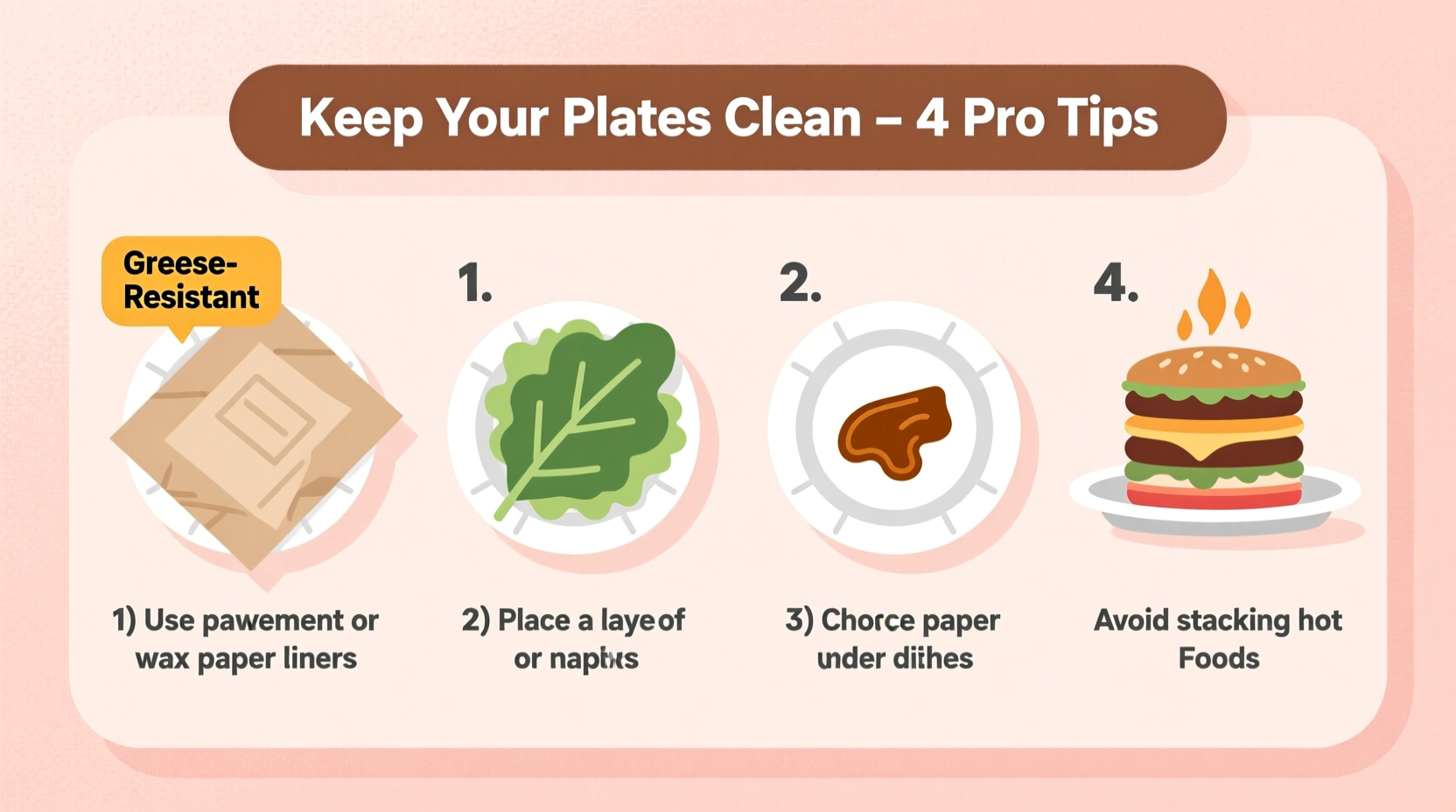
Not all paper plates are created equal. The foundation of stain prevention starts with selecting a plate designed to resist grease. Standard uncoated paper plates absorb oils rapidly, but many modern options include protective layers that act as barriers.
Plates with a light wax or polyethylene coating offer improved resistance to moisture and oil. These coatings create a non-porous surface that slows down grease penetration. Look for packaging labeled “grease-resistant,” “heavy-duty,” or “coated.” While these may cost slightly more, they provide better performance, especially when serving oily dishes.
Comparison of Common Paper Plate Types
| Type | Greasiness Resistance | Durability | Best For |
|---|---|---|---|
| Standard Uncoated | Low | Low | Dry snacks, desserts |
| Wax-Coated | Moderate | Moderate | Fried foods, sandwiches |
| Poly-Coated (Plastic-Lined) | High | High | Curries, burgers, saucy dishes |
| Bamboo or Palm Leaf (Alternative) | Variable (Natural Fiber) | High | Eco-conscious events |
Modify Food Preparation to Reduce Surface Oil
One of the most overlooked aspects of preventing oil stains is how food is prepared before it hits the plate. Even the sturdiest plate will fail if overloaded with excess grease. Simple kitchen adjustments can make a meaningful difference.
After frying foods like chicken tenders, mozzarella sticks, or spring rolls, allow them to rest on a wire rack over a baking sheet or a bed of paper towels. This lets gravity pull excess oil away from the food, reducing what transfers to the plate. Avoid stacking fried items immediately after cooking, as trapped heat increases oil release.
Sauces and dressings should be served on the side whenever possible. A generous drizzle of aioli or olive oil-based dressing can saturate a plate within minutes. Offering condiments in small cups gives guests control and prevents unnecessary pooling.
“Reducing surface oil before plating is half the battle. A well-drained fry not only tastes better but also preserves tableware integrity.” — Chef Marcus Tran, Culinary Consultant
Use Barriers and Liners Strategically
When high-grease foods are unavoidable, physical barriers between the food and the plate can be highly effective. Parchment paper, wax paper, or even small silicone baking mats cut to size can serve as disposable liners.
Parchment paper is naturally grease-resistant due to its silicone coating and won’t impart any flavor. Place a square under a burger or slice of lasagna to catch drips. For buffets, consider lining an entire tray of plates with parchment so each guest receives a protected base.
Another option is to use small compostable boat containers for extremely oily components—like chili, pulled pork, or stir-fried vegetables—and place these directly on the paper plate. This contains the mess while maintaining presentation.
Step-by-Step Guide to Serving Oily Foods Without Stains
Follow this sequence to minimize oil transfer during meal service:
- Assess the menu: Identify which dishes are highest in oil content (e.g., fried, saucy, marinated).
- Select appropriate plates: Use coated or heavy-duty paper plates for greasy items; reserve standard ones for dry foods.
- Drain excess oil: Let fried foods sit on a cooling rack or blot gently with paper towels before serving.
- Add a liner: Place a grease-resistant sheet (parchment, wax paper) on the plate before adding food.
- Portion mindfully: Avoid overloading; leave space around the food to prevent edge seepage.
- Offer sauces separately: Serve dressings, gravies, and oils in small side cups.
- Monitor plate stability: Encourage guests to eat promptly and avoid letting food sit for extended periods.
Real-World Example: The Community BBQ Dilemma
A neighborhood summer picnic faced recurring issues with paper plates collapsing under barbecue ribs and brisket. Guests often ended up holding soggy, leaking plates, leading to waste and frustration. The organizing committee decided to test a new approach.
They switched from standard plates to double-layered, poly-coated versions and added parchment liners. They also placed squeeze bottles of sauce at serving stations instead of pre-basting every piece. Fried sides were drained on racks for five minutes before plating.
The results were immediate. Complaints dropped by 80%, and no incidents of plate failure were reported. Attendees praised the cleaner experience, and cleanup was easier due to reduced oil spillage on tables and grass. This case shows that minor adjustments yield major improvements in real-world settings.
Common Mistakes That Invite Stains
- Using flimsy plates for heavy meals: Lightweight plates buckle under hot, oily food.
- Plating food too early: Letting food sit on plates before guests arrive accelerates oil absorption.
- Overfilling plates: Crowding increases surface contact and pressure, forcing oil through weak points.
- Ignoring drainage: Skipping the draining step after frying guarantees excess oil transfer.
- Mixing incompatible foods: Placing a greasy taco next to a moist cupcake can cause cross-contamination and structural failure.
Checklist: Prevent Oil Stains on Paper Plates
- Identify high-oil menu items
- Choose grease-resistant plates
- Prepare parchment or wax paper liners
- Set up sauce/dressing stations separately
- Have cooling racks ready for fried foods
- Train staff or volunteers on proper plating order
Frequently Asked Questions
Can I reuse a paper plate if it hasn’t leaked yet?
No. Once a paper plate has held oily food—even without visible leakage—its fibers have likely been compromised. Reusing it increases the risk of sudden collapse. Always treat paper plates as single-use, especially after contact with grease.
Are biodegradable plates less resistant to oil?
Some are, particularly those made from uncoated recycled fiber. However, many eco-friendly brands now offer plant-based coatings (like PLA, derived from cornstarch) that provide excellent oil resistance. Check labels for “compostable” and “grease-resistant” claims to find sustainable yet functional options.
What’s the fastest way oil penetrates a paper plate?
Heat and pressure accelerate oil absorption. Hot, fatty foods soften the paper’s fibers, while stacking or pressing down on the food forces oil deeper. To slow this, serve hot items promptly and discourage plate stacking or squeezing.
Final Thoughts: Smart Serving Starts with Small Changes
Preventing oil stains on paper plates doesn’t require expensive alternatives or complex systems. It comes down to thoughtful planning, informed material choices, and attention to detail during food handling. Whether you're hosting a backyard cookout, managing a food truck, or packing takeout orders, these strategies protect your presentation, improve guest experience, and reduce waste.




 浙公网安备
33010002000092号
浙公网安备
33010002000092号 浙B2-20120091-4
Comments
No comments yet. Why don't you start the discussion?