
Platform slides have become a summer wardrobe staple—offering effortless style, breathability, and ease of wear. However, their open-back design and often smooth soles can make them prone to slipping, especially on polished floors, wet surfaces, or during extended walking. Slipping isn’t just uncomfortable; it increases the risk of falls and long-term foot strain. The good news is that with the right strategies, you can significantly enhance traction and foot stability without sacrificing style. This guide delivers practical, expert-backed solutions to keep your platform slides secure and comfortable all day long.
Choose the Right Sole Material
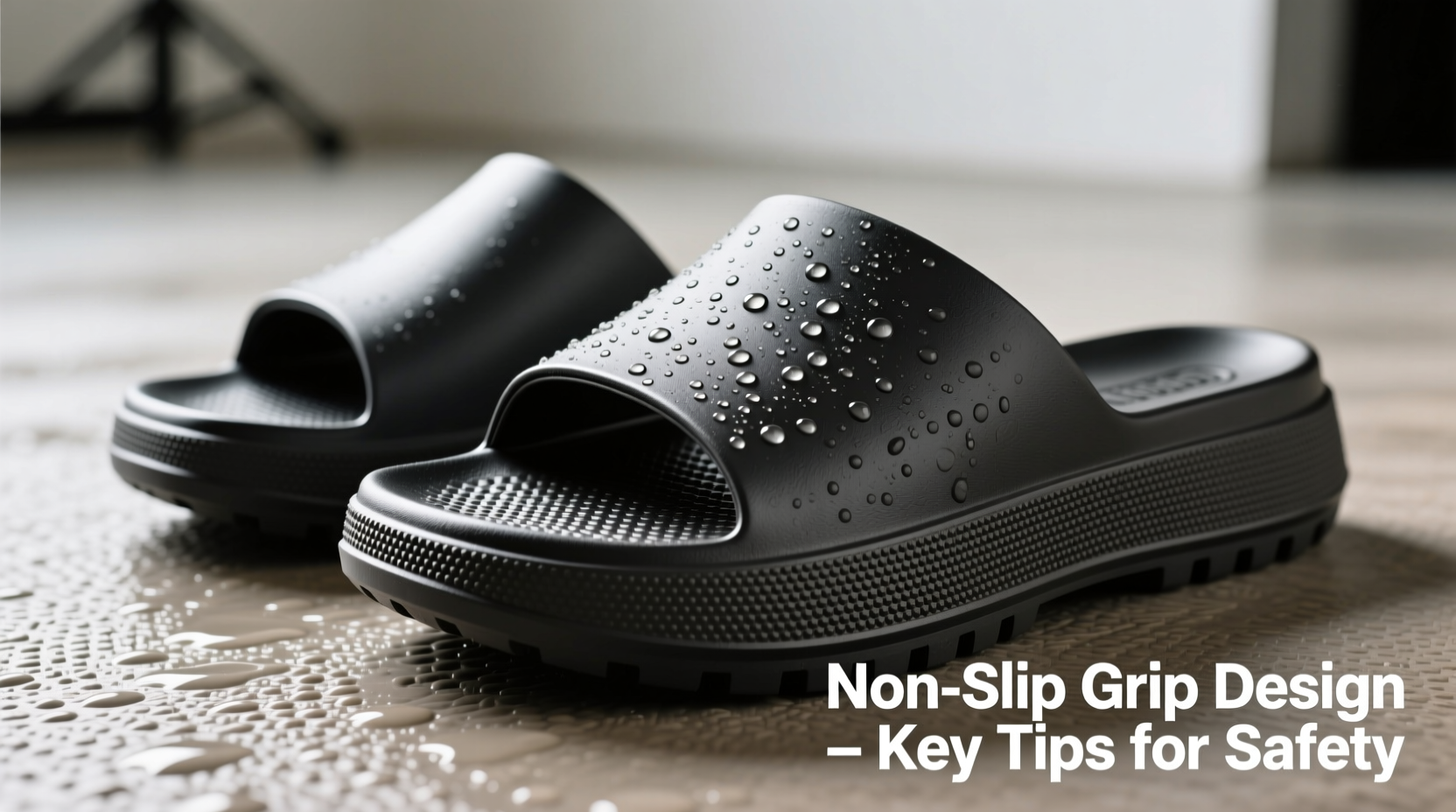
The foundation of grip starts with the sole. Not all platform slides are created equal when it comes to traction. Materials vary widely in their ability to resist slippage on different surfaces.
Rubber soles, particularly those with textured patterns, provide superior grip compared to EVA foam, synthetic leather, or plastic soles. Deep treads or grooved patterns channel water and debris away, reducing hydroplaning on damp surfaces. When shopping, inspect the sole closely—look for non-slip certifications or labels like “anti-slip” or “grip-enhanced.”
Enhance Traction with DIY and Store-Bought Solutions
If you already own a pair of stylish but slippery platform slides, don’t discard them. Several affordable modifications can dramatically improve their grip.
- Sandpaper application: Lightly scuff the bottom of smooth soles with medium-grit sandpaper. Focus on high-contact areas like the ball and heel. This creates micro-texture that improves surface adhesion.
- Nonslip pads: Adhesive rubber pads can be applied to the forefoot and heel zones. These are discreet, durable, and ideal for indoor use on hardwood or tile.
- Hairspray or adhesive spray: A quick, temporary fix involves spraying a light coat of hairspray or rubberized grip spray (like Friction Grip) on the sole. Reapply every few days as needed.
“Many customers come in complaining about sliding—but most haven’t considered simple sole treatments. A $5 grip pad can transform an unwearable pair into a daily favorite.” — Marcus Tran, Footwear Specialist at Urban Stride Co.
Optimize Fit and Foot Placement
Grip isn’t only about the shoe—it’s also about how your foot interacts with it. Ill-fitting slides shift with each step, destabilizing your center of gravity and increasing slip risk.
Select a size that allows your heel to hover slightly above the back edge without lifting off entirely. Your toes should not overhang the front, nor should your foot slide forward excessively. Many brands now offer adjustable straps or contoured footbeds designed to lock the foot in place.
To test fit, walk on a smooth floor and a slight incline. If your toes claw to keep the shoe on, the fit is too loose. If pressure builds on the ball of your foot, consider sizing up.
| Fit Issue | Signs | Solution |
|---|---|---|
| Too Loose | Heel lifts, foot slides forward, toes grip | Add heel grips or try smaller size |
| Too Tight | Pressure on toes, blisters, restricted movement | Size up or choose wider toe box |
| Poor Arch Support | Foot fatigue, rolling inward | Add orthotic insoles or arch supports |
Step-by-Step Guide to Improving Slide Safety
Follow this actionable sequence to maximize grip and minimize slippage in your current or future platform slides:
- Evaluate the sole: Check for smoothness, wear, and material. Replace or modify if necessary.
- Clean the sole: Wipe with soapy water and a brush to remove dirt and oils that reduce traction.
- Apply grip enhancement: Use sandpaper, adhesive pads, or grip spray based on your needs and environment.
- Adjust fit: Add gel heel liners, strap cushions, or insoles to improve foot stability.
- Test in real conditions: Walk on both dry and slightly wet surfaces to assess performance.
- Maintain regularly: Reapply treatments monthly or after exposure to moisture and dirt.
Real-Life Scenario: From Slippery to Secure
Jamila, a nurse working 12-hour shifts in a hospital with polished linoleum floors, loved her trendy cork-platform slides for their comfort. But she found herself constantly adjusting them and once nearly fell while rushing down a hallway. After consulting a podiatrist, she learned that the smooth EVA sole offered minimal traction under stress.
She applied adhesive rubber heel pads, lightly sanded the forefoot area, and inserted a supportive insole to stabilize her arch. She also switched to a pair with a strap across the instep for added security. The changes reduced foot fatigue and eliminated slipping incidents. “I still get compliments on my shoes,” she said, “but now I’m not worried about losing my footing.”
Common Mistakes That Reduce Grip
Avoid these pitfalls that compromise safety and performance:
- Wearing worn-down soles: Smooth, flat soles lose traction quickly. Replace or resole when tread is no longer visible.
- Ignoring moisture: Wet soles become slicker. Dry them thoroughly before wearing, especially after beach or pool use.
- Using heavy-footed gait: Stomping or dragging feet accelerates wear and reduces control. Aim for a smooth, rolling stride.
- Skipping insoles: Flat footbeds offer little support, leading to instability. Even thin cushioned inserts can improve grip by stabilizing foot position.
Frequently Asked Questions
Can I make my fabric-strap platform slides more secure?
Yes. Replace stretchy or smooth straps with ones made from textured materials like woven nylon or neoprene. You can also add silicone grip strips inside the strap where it crosses the foot to prevent shifting.
Are platform slides safe for elderly users?
They can be—if modified properly. Look for models with full back straps, wide bases, and certified non-slip soles. Avoid high platforms over 2 inches, and always prioritize stability over fashion. Consulting a physical therapist for footwear recommendations is advisable.
How often should I reapply grip treatments?
It depends on usage. For daily wear, reapply sprays every 3–5 days and inspect adhesive pads weekly. Sanding may last 2–4 weeks depending on surface abrasion. Always clean the sole before re-treating.
Final Recommendations and Checklist
Improving grip in platform slides doesn’t require expensive replacements or technical skills. With thoughtful selection, minor modifications, and consistent maintenance, you can enjoy both style and safety.
📋 Grip Improvement Checklist- ✅ Inspect sole material and tread depth
- ✅ Clean soles regularly with mild soap and water
- ✅ Apply nonslip pads or grip spray as needed
- ✅ Ensure proper fit with no heel slippage
- ✅ Add insoles or heel grips for extra stability
- ✅ Test performance on varied surfaces
- ✅ Replace or repair heavily worn soles
“The key to safe slides is proactive care. Just like tires on a car, shoe soles need attention before they fail.” — Dr. Lena Patel, Podiatrist and Gait Analyst
Take Action Today for Safer Steps Tomorrow
Your footwear should empower movement, not hinder it. Whether you're strolling through the city, working a long shift, or enjoying a backyard gathering, secure platform slides can keep you comfortable and confident. Start by evaluating one pair in your collection—clean it, modify the sole, adjust the fit—and feel the difference. Share your success stories or favorite grip hacks in the comments below. Let’s build a community of smarter, safer slide wearers—one step at a time.




 浙公网安备
33010002000092号
浙公网安备
33010002000092号 浙B2-20120091-4
Comments
No comments yet. Why don't you start the discussion?