
Bronze, an alloy of copper and tin, has been cherished for centuries not only for its durability but also for its warm, golden luster. When worn as a bracelet, it adds a timeless elegance to any outfit. However, one of the most common challenges with bronze jewelry is tarnishing—a natural chemical reaction caused by exposure to air, moisture, and skin chemistry. While tarnish doesn’t damage the metal permanently, it dulls its appearance over time. The good news is that with proper care and consistent maintenance, you can significantly slow down tarnishing and preserve the radiant finish of your bronze bracelet for years.
Understanding Why Bronze Tarnishes
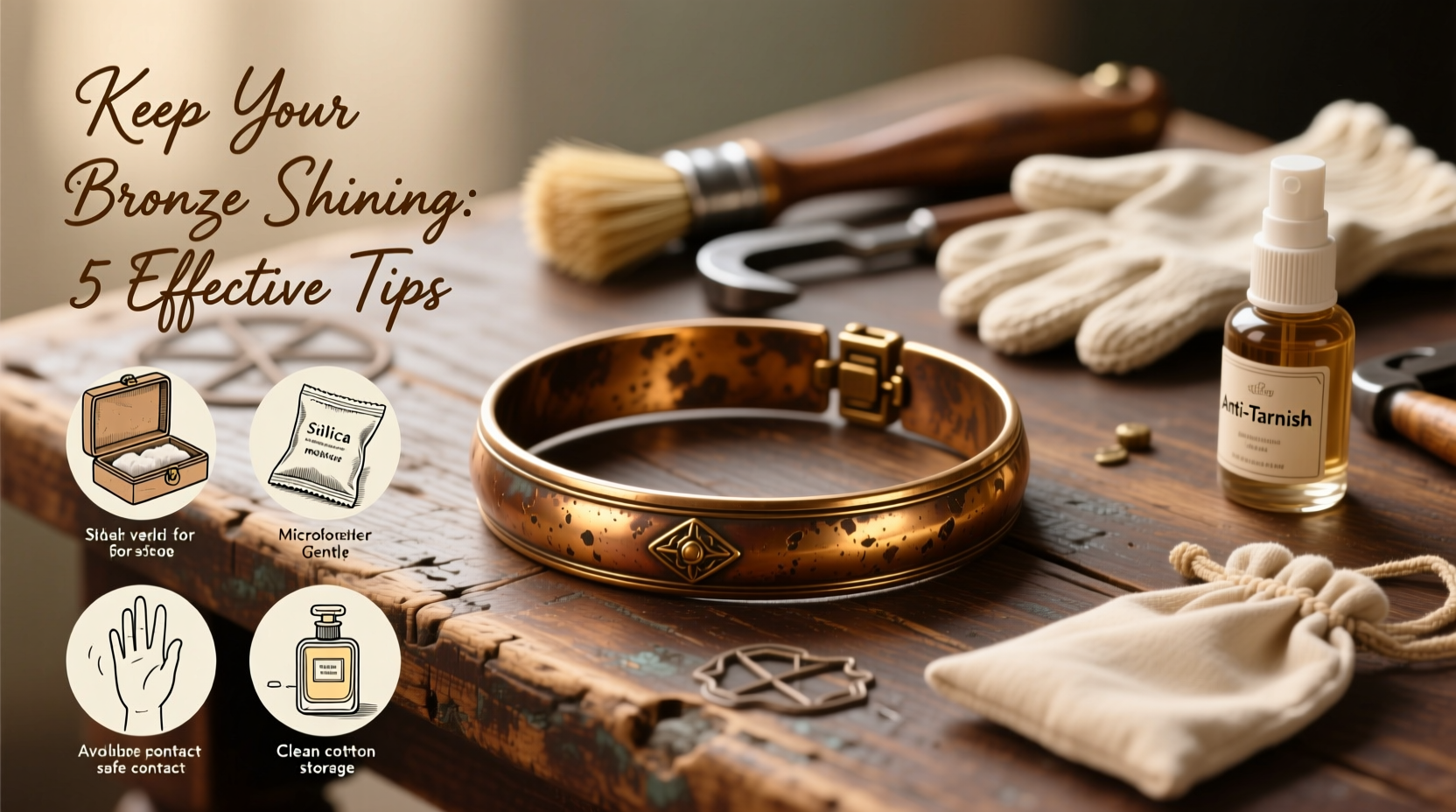
Tarnish on bronze occurs when copper in the alloy reacts with sulfur compounds in the air, moisture, or even natural oils from your skin. This reaction forms a layer of copper sulfide or copper oxide, which appears as a darkening or mottled discoloration on the surface. Unlike rust, which eats away at iron, tarnish remains superficial and can be polished off—but prevention is always better than restoration.
Environmental factors such as humidity, chlorinated water, perfumes, lotions, and sweat accelerate tarnishing. Additionally, individual body chemistry varies; some people may notice their bronze jewelry darkens within days, while others experience minimal change over months. Understanding these triggers is the first step toward effective protection.
“Bronze is reactive by nature, but its beauty lies in how well it’s cared for. A little diligence goes a long way in preserving its shine.” — Dr. Lena Peterson, Metallurgist & Jewelry Conservation Specialist
Step-by-Step Guide to Daily Care and Maintenance
Preserving the brilliance of your bronze bracelet starts with daily habits. These small, consistent actions form the foundation of long-term jewelry care.
- Put on your bracelet last. After applying makeup, perfume, hairspray, and lotions, wait a few minutes before wearing your jewelry. Chemical residues can adhere to the metal and speed up oxidation.
- Remove it before activities. Take off your bracelet before showering, swimming, exercising, or doing household chores. Chlorine, saltwater, and cleaning agents are particularly harsh on bronze.
- Wipe after wear. Use a soft, lint-free cloth to gently wipe the surface of the bracelet each time you remove it. This removes sweat, oils, and environmental pollutants that contribute to tarnish.
- Avoid prolonged sun exposure. UV rays can degrade the patina and accelerate oxidation. Don’t leave your bracelet on a windowsill or in direct sunlight for extended periods.
- Rotate your jewelry. Wearing the same piece every day increases exposure to elements. Rotate your bronze bracelet with other accessories to give it rest and reduce wear.
Proper Storage: The Key to Long-Term Shine
How you store your bronze bracelet when not in use plays a crucial role in preventing tarnish. Air and moisture are the primary culprits, so limiting exposure is essential.
- Store your bracelet in an airtight container or zip-lock bag with the air squeezed out.
- Include anti-tarnish strips or silica gel packets to absorb moisture and neutralize sulfur compounds.
- Keep it separate from other jewelry to avoid scratches. Soft-lined compartments or individual fabric pouches work best.
- Avoid storing in humid areas like bathrooms or near kitchens where steam and temperature fluctuations occur.
| Storage Method | Effectiveness | Why It Works |
|---|---|---|
| Airtight plastic bag with anti-tarnish strip | ★★★★★ | Blocks oxygen and absorbs corrosive gases |
| Jewelry box with soft lining | ★★★☆☆ | Protects from scratches but allows air exposure |
| Open shelf or hook | ★☆☆☆☆ | Maximizes exposure to air and light—high tarnish risk |
| Fabric pouch in drawer | ★★★☆☆ | Good for short-term; add silica gel for better results |
Safe Cleaning Techniques for Restoring Shine
Even with preventive care, your bronze bracelet may gradually lose its luster. Regular cleaning helps restore shine without damaging the metal. Avoid abrasive materials or commercial silver dips, which can strip protective layers or cause pitting.
Here’s a safe, at-home method:
- Mix a few drops of mild dish soap with warm water in a bowl.
- Soak the bracelet for 2–3 minutes (no longer, to avoid water absorption).
- Use a soft-bristle toothbrush to gently scrub crevices and textured areas.
- Rinse under lukewarm water and immediately dry with a microfiber cloth.
- Let it air-dry completely before storing.
For deeper tarnish, create a paste using equal parts baking soda and water. Apply with a cloth in circular motions, rinse thoroughly, and dry. Never use vinegar or lemon juice frequently—they are acidic and can erode bronze over time.
Mini Case Study: How Sarah Preserved Her Heirloom Bracelet
Sarah inherited a handcrafted bronze bracelet from her grandmother, a piece worn daily for decades. When she received it, the metal was heavily tarnished, almost black in spots. Instead of polishing it aggressively, she researched preservation methods. She began wiping it with a microfiber cloth after each wear, stored it in a sealed container with a silica gel pack, and cleaned it monthly using the baking soda method. Over six months, the bracelet regained its warmth and now shines with a subtle, antique glow. More importantly, it hasn’t re-tarnished significantly, proving that gentle, consistent care yields lasting results.
Checklist: Prevent Tarnish and Maintain Shine
Use this actionable checklist to protect your bronze bracelet every day:
- ✅ Put on jewelry after applying cosmetics
- ✅ Remove before swimming, showering, or sweating
- ✅ Wipe with a soft cloth after each use
- ✅ Store in an airtight container with desiccant
- ✅ Clean monthly with mild soap or baking soda paste
- ✅ Inspect regularly for early signs of tarnish
- ✅ Rotate with other bracelets to reduce wear
Frequently Asked Questions
Can I wear my bronze bracelet every day?
Yes, but with precautions. Daily wear increases exposure to moisture, chemicals, and friction. If worn daily, follow strict cleaning and storage routines to minimize tarnish buildup.
Will clear nail polish stop tarnishing?
Applying a thin coat of clear nail polish can create a temporary barrier between the metal and your skin. However, it wears off over time and may chip, requiring reapplication. It’s a short-term solution and not ideal for antique or porous finishes.
Is it bad if my bronze bracelet turns my skin green?
No, it’s harmless. The green tint is caused by a reaction between copper and your skin’s acidity or sweat. It washes off easily and varies by individual. Some people never experience it, while others do. If it bothers you, consider wearing the bracelet over clothing or applying a protective coating.
Conclusion: Shine Starts with Care
Your bronze bracelet is more than an accessory—it’s a piece of art, history, or personal expression. Its natural tendency to tarnish isn’t a flaw, but a reminder of its authenticity. With informed care, you can enjoy its rich color and luster for years. From mindful wearing habits to smart storage and gentle cleaning, each step contributes to preserving its beauty. Don’t wait until tarnish sets in deeply. Start today with one small habit—wipe it clean, store it right, or check your routine. Small actions compound into lasting brilliance.




 浙公网安备
33010002000092号
浙公网安备
33010002000092号 浙B2-20120091-4
Comments
No comments yet. Why don't you start the discussion?