
Dining mats are more than just decorative accents—they protect your table from heat, spills, and scratches while adding a touch of style to your meals. However, frequent use, improper cleaning, and exposure to environmental factors can lead to fraying, staining, fading, and warping over time. With the right care habits, you can significantly extend the life of your dining mats, whether they’re made of woven fabric, silicone, cork, or vinyl. The key lies in consistent maintenance, smart usage, and proper storage.
Choose the Right Mat for Your Lifestyle
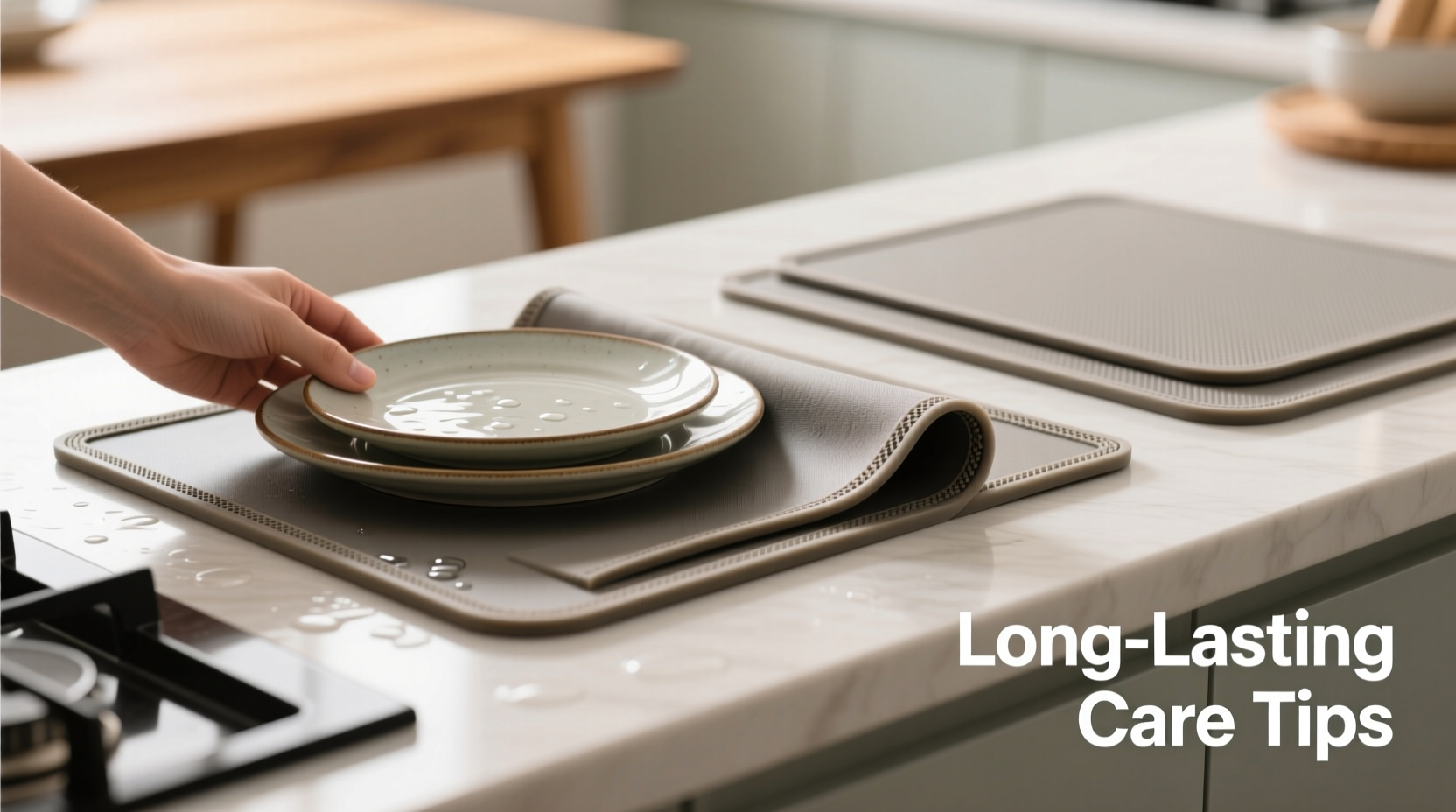
The first step in preventing premature wear is selecting a dining mat suited to your daily routine. Not all materials perform equally under heavy use. For families with young children or frequent dinner guests, durability should be a top priority. Silicone and cork mats resist stains and moisture exceptionally well, while tightly woven textiles like jute or seagrass offer natural elegance but require more upkeep.
Consider how often you eat at the table, whether hot dishes are regularly placed directly on the mat, and if spills are common. High-traffic households benefit from machine-washable or wipe-clean options. Meanwhile, formal dining settings may prioritize aesthetic appeal over ruggedness—just know that delicate materials demand extra attention.
Protect Mats from Heat and Moisture
One of the most common causes of deterioration is direct contact with hot cookware. Placing a steaming casserole or frying pan straight onto a dining mat can melt synthetic fibers, warp cork, or scorch natural weaves. Always use trivets or pot holders beneath hot items, even when a mat claims to be heat-resistant. Most manufacturer ratings cap protection at around 350°F (177°C), and sustained exposure above that threshold leads to irreversible damage.
Moisture is another silent enemy. Spills left unattended can seep into layers, promoting mold growth in organic materials like bamboo or cotton. Even water rings from glasses can degrade adhesives in laminated mats over time. Wipe up liquid immediately with a dry or slightly damp cloth, and allow mats to air-dry fully before stacking or storing.
“Many people assume dining mats are disposable, but with basic precautions against heat and humidity, most can last five years or more.” — Lena Reyes, Home Goods Material Specialist
Daily Maintenance Routine
Preventative care doesn’t have to be time-consuming. A few simple actions after each meal can drastically reduce cumulative wear. Start by shaking out crumbs or using a soft brush to remove debris—avoid vacuuming tightly woven mats, as suction can pull loose fibers and accelerate fraying.
For non-porous surfaces like silicone or PVC, a quick wipe with a mild soapy solution preserves shine and prevents grease buildup. Natural fiber mats should never be soaked; instead, spot clean with a damp cloth and mild detergent only when necessary. Never scrub aggressively—gentle motions preserve structural integrity.
Step-by-Step Evening Care Guide
- Remove all dishes and flatware from the table.
- Gently shake or brush off loose crumbs and dust.
- Inspect for spills or stains; blot liquids immediately.
- Wipe surface with a microfiber cloth dampened with warm water (add a drop of dish soap if needed).
- Allow mats to air-dry completely before repositioning or storing.
- Rotate position weekly to ensure even exposure and wear.
Do’s and Don’ts by Material Type
| Material | Do’s | Don’ts |
|---|---|---|
| Silicone | Wipe with soapy water, dishwasher-safe (top rack), store flat | Expose to open flame, cut on surface, fold for storage |
| Cork | Clean with vinegar-water mix, keep away from prolonged sun | Soak in water, use abrasive cleaners, stack without padding |
| Woven Fabric (Jute, Seagrass) | Vacuum gently, rotate monthly, store rolled with tissue paper | Wet clean, place in humid areas, leave under direct sunlight |
| Vinyl/Laminated | Disinfect weekly, wipe with alcohol-free cleaner | Use bleach, expose to high heat, fold sharply |
Smart Storage Practices
How you store dining mats between uses plays a critical role in longevity. Folding causes permanent creases and weakens fibers, especially in rigid or layered materials. Instead, roll mats loosely around a cardboard tube and secure with a fabric tie. This method preserves shape and minimizes stress points.
Store in a cool, dry closet away from basements or attics where temperature and humidity fluctuate. If stacking is unavoidable, place acid-free tissue paper between layers to prevent sticking and abrasion. Avoid plastic bins unless they have ventilation—trapped moisture encourages mildew.
Mini Case Study: The Johnson Family’s Mat Rotation System
The Johnsons, a family of five in Portland, used to replace their dining mats every six months due to staining and edge fraying. After consulting a home organization specialist, they implemented a rotation system using three sets of cork-silicone hybrid mats. One set is always in use, one is airing out, and one is stored properly. They also began using glass coasters and plate liners to create an additional protective barrier.
Within a year, visible wear decreased dramatically. Two years later, their original mats still look nearly new. “We realized we weren’t being rough on them—we were just using the same two mats every day without giving them a break,” says Sarah Johnson. The small change in routine saved them over $120 annually.
Frequently Asked Questions
Can I put dining mats in the dishwasher?
Only if explicitly labeled dishwasher-safe—typically limited to 100% food-grade silicone mats. Even then, place them on the top rack to avoid direct heater contact. Never dishwasher-clean fabric, cork, or laminated mats.
How often should I deep clean my dining mats?
Non-porous mats (silicone, vinyl) benefit from a thorough wash every 4–6 weeks. Natural fiber mats should be deep cleaned no more than twice a year, only when visibly soiled, to avoid fiber breakdown.
Why are the edges of my mat curling?
Curling usually results from uneven drying, exposure to heat, or folding during storage. To flatten, place the mat under a heavy book for 24–48 hours. Prevent recurrence by storing flat or rolled, not folded.
Final Checklist for Long-Lasting Dining Mats
- ✔ Use trivets for hot dishes—even on heat-resistant mats
- ✔ Clean spills immediately with a dry or damp cloth
- ✔ Rotate mats weekly to distribute wear evenly
- ✔ Store rolled or flat, never folded
- ✔ Keep out of direct sunlight to prevent fading
- ✔ Avoid abrasive cleaners and soaking natural fibers
- ✔ Inspect monthly for early signs of fraying or delamination
Conclusion: Small Habits, Lasting Results
Preserving your dining mats isn’t about perfection—it’s about consistency. By integrating simple habits like prompt spill cleanup, mindful placement of hot items, and proper storage, you protect both function and appearance. These everyday choices compound over time, turning what might have been a short-lived accessory into a durable part of your home’s rhythm.




 浙公网安备
33010002000092号
浙公网安备
33010002000092号 浙B2-20120091-4
Comments
No comments yet. Why don't you start the discussion?