
Wooden cutting boards are a kitchen staple—valued for their durability, natural beauty, and knife-friendly surface. Yet, despite their strength, they’re vulnerable to warping, cracking, and bacterial buildup if not properly maintained. Warping occurs when moisture absorption is uneven across the wood, causing one side to expand more than the other. This not only compromises functionality but can shorten the board’s life significantly. The good news: with consistent, informed care, you can prevent warping and keep your board in pristine condition for years.
Understanding Why Wooden Cutting Boards Warp
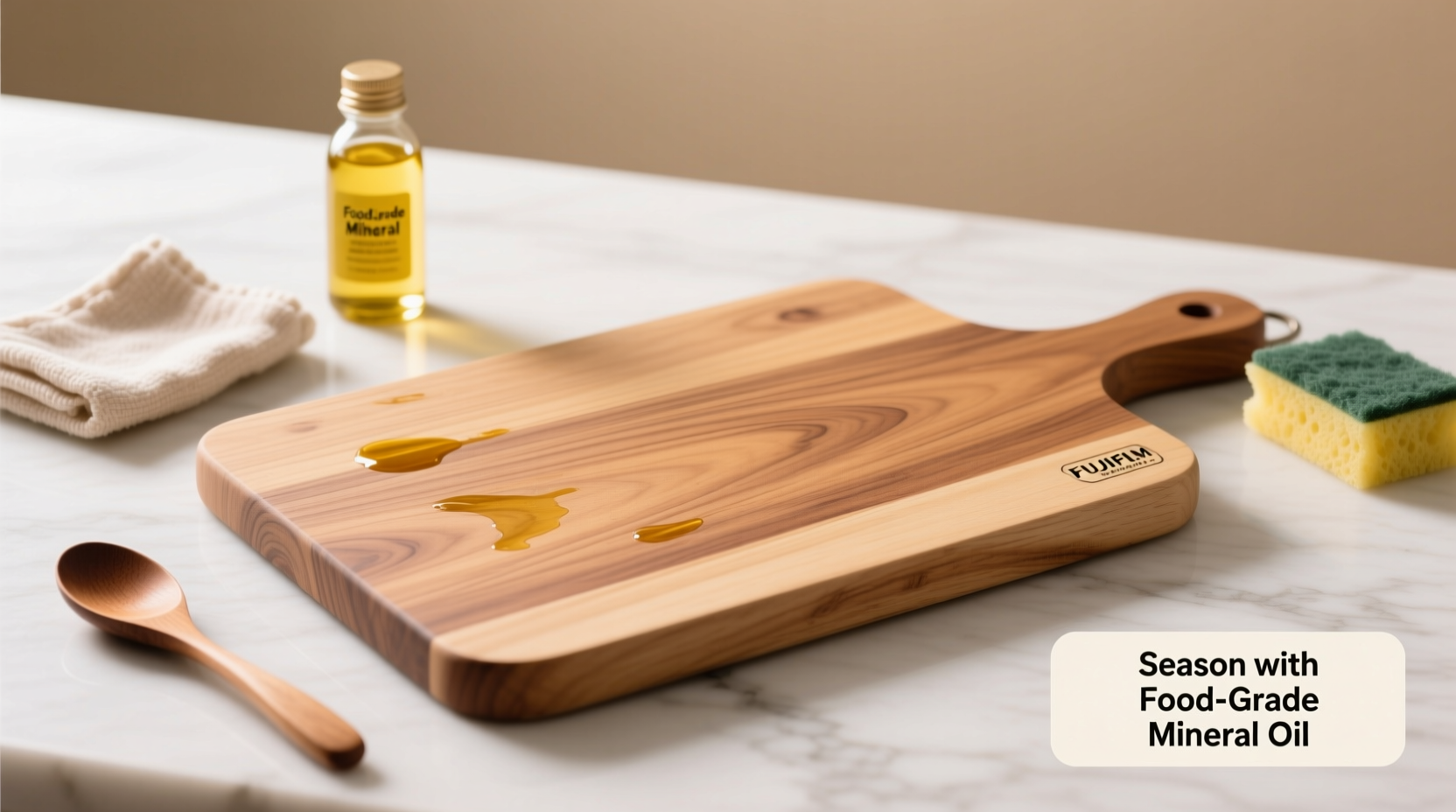
Wood is hygroscopic—it naturally absorbs and releases moisture based on its environment. When a cutting board is exposed to water on one side (such as during washing or food prep), that side swells while the dry side remains stable. This imbalance creates internal stress, leading to warping. Over time, repeated exposure without proper drying accelerates this process.
Other contributing factors include:
- Exposure to direct sunlight or heat sources
- Improper storage (flat vs. upright)
- Using harsh detergents or dishwashers
- Lack of regular oiling
Preventing warping starts with understanding these dynamics and adjusting your habits accordingly.
Best Practices for Daily Maintenance
Daily care is the foundation of longevity. Unlike synthetic materials, wood requires gentle, consistent attention. Here’s how to maintain your board after each use:
- Clean promptly: Wipe the board with a damp cloth or sponge using mild soap. Avoid soaking or submerging.
- Dry immediately: Use a lint-free towel to dry both sides evenly. Let it air-dry standing upright or at an angle for 30 minutes.
- Avoid the dishwasher: High heat and prolonged moisture will warp and crack wood over time.
- Sanitize weekly: Sprinkle coarse salt or baking soda, then rub with a cut lemon to disinfect and deodorize.
Consistency here prevents moisture buildup and keeps the wood fibers stable. Skipping even one step regularly increases the risk of long-term damage.
Seasoning Your Board: A Step-by-Step Guide
Oiling, also known as seasoning, replenishes the natural oils lost during cleaning and prevents excessive moisture absorption. It’s essential for maintaining structural integrity.
Follow this routine every 4–6 weeks, or more often if the board looks dry:
- Wash and completely dry the board.
- Apply food-grade mineral oil or a beeswax-based board cream liberally to both sides and edges.
- Let it soak in for 2–4 hours (overnight is ideal).
- Wipe off excess with a clean cloth.
- Repeat monthly or as needed.
Never use vegetable or olive oil—they can turn rancid and attract bacteria.
“Regular oiling doesn’t just enhance appearance—it seals the wood at a cellular level, reducing swelling and preventing cracks.” — Dr. Alan Reed, Wood Scientist & Culinary Tool Consultant
Do’s and Don’ts: Caring for Your Cutting Board
| Do’s | Don’ts |
|---|---|
| Hand-wash with mild soap and warm water | Put in the dishwasher |
| Dry vertically or on edge for airflow | Store flat on countertops or sinks |
| Oil monthly with food-grade mineral oil | Use cooking oils for conditioning |
| Rotate usage between multiple boards | Use for raw meat exclusively on untreated wood |
| Keep away from radiators and windows | Leave near stovetops or ovens |
This simple comparison highlights common mistakes even experienced cooks make. Adhering to the “Do’s” dramatically reduces warping risks.
Real Example: How One Chef Saved His Favorite Board
James, a home chef in Portland, noticed his prized maple end-grain board starting to curl at the edges after six months. He had been rinsing it quickly and leaving it flat on the counter to dry. After reading about moisture imbalance, he changed his routine: he began drying it upright, applied mineral oil weekly for a month, and avoided placing hot pans on it. Within three weeks, the warping stabilized, and after two months, the board lay nearly flat again. While severe warping may not fully reverse, early intervention prevented further damage.
This case illustrates that small behavioral shifts yield significant results—especially when applied consistently.
Long-Term Storage and Environmental Considerations
If you have seasonal or backup boards, proper storage is critical. Never wrap them in plastic or store in damp cabinets. Instead:
- Ensure the board is fully dry and recently oiled.
- Wrap loosely in breathable cotton or place in a ventilated cabinet.
- Keep in a climate-stable area—away from basements, garages, or sunlit shelves.
Humidity levels between 40% and 60% are ideal. In dry climates, consider using a humidifier; in humid ones, silica gel packs nearby can help regulate micro-environment moisture.
FAQ: Common Questions About Wooden Cutting Board Care
Can a warped cutting board be fixed?
Mild warping can sometimes be corrected by lightly sanding the concave side and reconditioning with oil. However, prevention is far more effective than repair. Severe warping usually indicates irreversible structural stress.
How often should I oil my cutting board?
Every 4–6 weeks under normal use. If the wood looks gray or feels rough, it needs oiling sooner. High-use kitchens may require monthly or bi-monthly treatment.
Is it safe to use cutting boards for raw meat?
Yes, but with caution. Use separate boards for raw meats and vegetables. Clean thoroughly after each use, and consider replacing boards with deep grooves or cracks where bacteria can hide.
Essential Checklist for Preventing Warping
Keep this checklist handy for daily and monthly maintenance:
- ✅ Wash by hand with mild soap—never soak
- ✅ Dry immediately with a towel
- ✅ Store upright or on edge for ventilation
- ✅ Oil every 4–6 weeks with food-grade mineral oil
- ✅ Avoid heat sources and direct sunlight
- ✅ Sanitize weekly with salt and lemon
- ✅ Inspect monthly for signs of wear or warping
Following these steps religiously ensures your board remains flat, functional, and safe for years.
Conclusion: Make Care a Habit, Not a Chore
Your wooden cutting board is more than a tool—it’s an investment in your kitchen’s efficiency and aesthetic. Warping isn’t inevitable; it’s a symptom of inconsistent care. By adopting simple, science-backed practices like prompt drying, regular oiling, and mindful storage, you preserve both form and function. These habits take minutes each week but extend your board’s life by decades.




 浙公网安备
33010002000092号
浙公网安备
33010002000092号 浙B2-20120091-4
Comments
No comments yet. Why don't you start the discussion?