
Metal bangles are timeless accessories that add elegance, tradition, and style to any outfit. Whether crafted from silver, brass, copper, or alloy, these pieces are susceptible to tarnishing over time due to exposure to air, moisture, and chemicals. Tarnish dulls their luster and can even lead to permanent damage if left unchecked. However, with the right care routine, you can preserve their brilliance for years. This guide offers practical, science-backed strategies to prevent tarnishing and maintain the radiant shine of your cherished metal bangles.
Understanding Metal Tarnish: What Causes It?
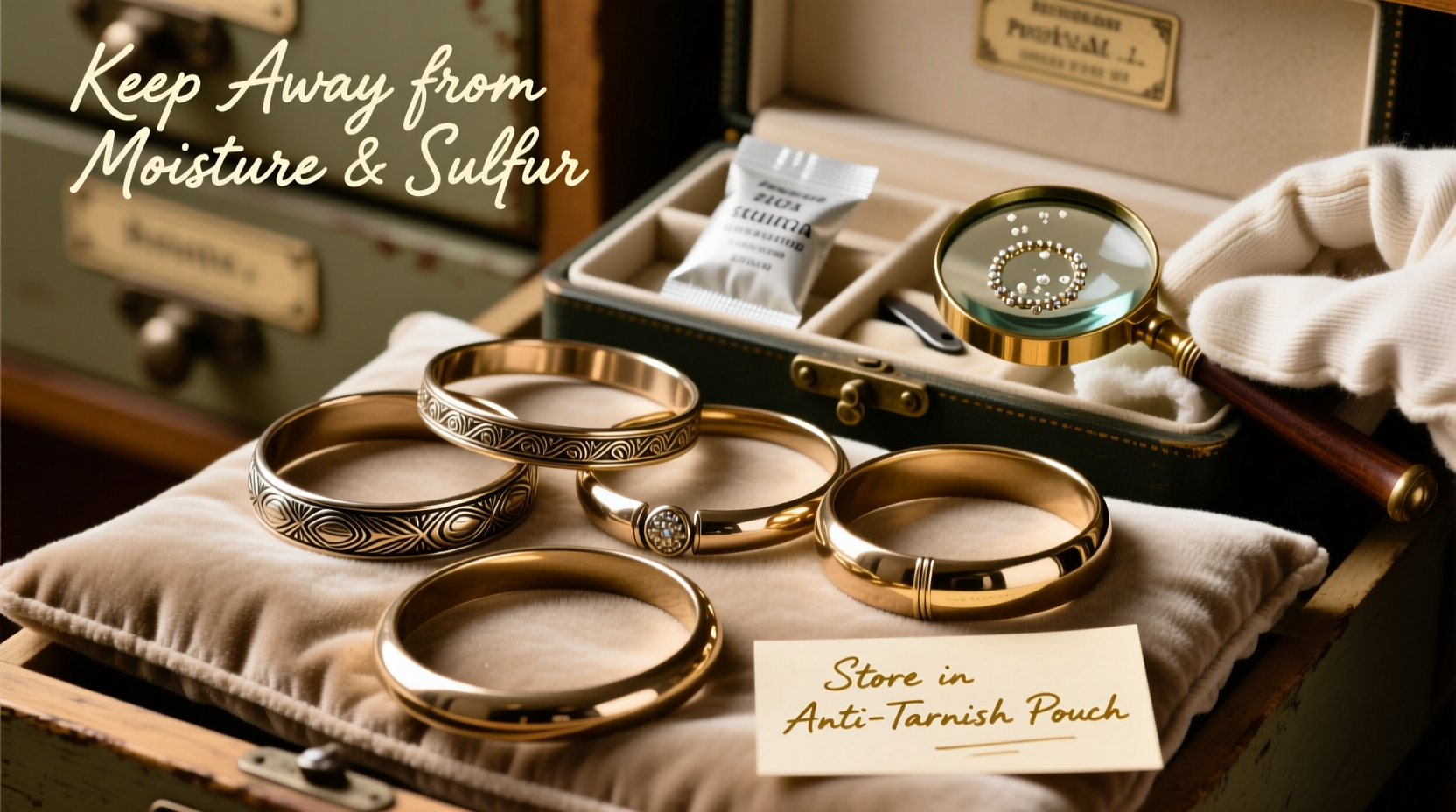
Tarnish is a thin layer of corrosion that forms on the surface of metals like silver, copper, and brass when they react with sulfur compounds in the air, moisture, or skin oils. Unlike rust, which eats away at iron, tarnish primarily affects appearance but can deepen into pitting if ignored. The rate of tarnishing depends on several factors:
- Exposure to air: Oxygen and sulfur gases accelerate oxidation.
- Humidity: Moist environments speed up chemical reactions on metal surfaces.
- Skin chemistry: Sweat, lotions, and perfumes contain salts and acids that interact with metals.
- Storage conditions: Poor storage increases contact with reactive elements.
Preventing tarnish isn’t about avoiding wear—it’s about managing exposure and maintaining cleanliness. With consistent care, even frequently worn bangles can retain their original glow.
Best Practices for Daily Wear and Handling
How you wear and handle your bangles significantly impacts their longevity. Simple behavioral changes can drastically reduce tarnishing:
- Put bangles on last: After applying makeup, hair products, and skincare items, slip on your jewelry to avoid residue buildup.
- Avoid water exposure: Don’t wear metal bangles while washing hands, bathing, or swimming. Chlorine and saltwater are particularly corrosive.
- Rotate your collection: Regularly switching bangles allows each piece time to rest and be cleaned, reducing cumulative stress.
- Wipe after wear: Use a soft microfiber cloth to gently remove sweat and oils immediately after taking them off.
These small habits form the foundation of long-term preservation. Over months, this daily attention prevents microscopic buildup that leads to visible tarnish.
Proper Storage Techniques to Prevent Oxidation
Storing bangles correctly is one of the most effective ways to slow tarnishing. Airtight, dry, and dark environments limit the key triggers of oxidation.
| Metal Type | Recommended Storage | To Avoid |
|---|---|---|
| Silver | Anti-tarnish pouch with silica gel packet | Plastic bags (can trap moisture) |
| Brass | Soft cloth wrap inside a sealed box | Bathrooms or kitchens (high humidity) |
| Copper | Ziplock bag with chalk or charcoal packet | Direct sunlight |
| Alloy/Plated Metals | Individual compartments in a lined jewelry box | Stacking loosely (causes scratches) |
For multiple bangles, use individual fabric sleeves or separate slots to prevent scratching. Storing them upright in a bangle tree or cylinder also reduces friction and deformation.
“Tarnish begins within hours of exposure to humid air. Proper storage doesn’t just preserve shine—it extends the functional life of the metal.” — Dr. Anita Roy, Materials Conservation Specialist
Step-by-Step Guide to Cleaning and Polishing Metal Bangles
Even with careful handling, occasional cleaning is essential. Follow this safe, effective method tailored to common metals:
- Remove debris: Gently wipe the bangle with a dry microfiber cloth to eliminate dust and oils.
- Prepare cleaning solution: For silver, mix 1 tbsp baking soda with 2 tbsp water to form a paste. For brass or copper, use equal parts lemon juice and baking soda.
- Apply gently: Dip a soft toothbrush into the paste and rub in small circular motions, focusing on tarnished areas.
- Rinse carefully: Wash under lukewarm running water—never hot, as it can damage plating or weaken solder.
- Dry thoroughly: Pat dry with a lint-free cloth, then air-dry completely before storing.
- Polish: Buff with a jewelry polishing cloth to restore shine.
For plated bangles, avoid abrasive pastes. Instead, use a mild soap solution and soft cloth. Never soak plated jewelry—this can cause peeling.
Mini Case Study: Reviving a Heirloom Silver Set
Meera inherited a set of vintage silver bangles from her grandmother. Stored in a wooden box without protection, they had developed a heavy black tarnish over 15 years. She avoided professional cleaning due to sentimental value and fear of damage.
Following a careful home restoration process—using a baking soda and aluminum foil bath (a chemical reduction method), gentle brushing, and thorough drying—Meera restored 90% of their original luster. She now stores them in an anti-tarnish pouch with a desiccant pack and wears them rotationally. Two years later, they remain bright with only minimal maintenance.
This case highlights how proactive care can revive neglected pieces and sustain them for future generations.
Essential Care Checklist
Use this checklist monthly to ensure your bangles stay protected:
- ☐ Wipe bangles with a soft cloth after each wear
- ☐ Inspect for early signs of tarnish or discoloration
- ☐ Check storage container for moisture or condensation
- ☐ Replace silica gel or charcoal packets if used
- ☐ Clean according to metal type (schedule based on wear frequency)
- ☐ Rotate bangles to allow rest periods between uses
- ☐ Keep away from direct sunlight and heat sources
Frequently Asked Questions
Can I use toothpaste to clean my metal bangles?
Toothpaste is mildly abrasive and can scratch softer metals like silver and gold-plated alloys. While some use it for quick fixes, it risks damaging fine finishes. A baking soda paste is safer and equally effective.
Why do my copper bangles turn my skin green?
This reaction occurs when copper oxidizes from contact with sweat and acids on the skin. It’s harmless and varies by individual body chemistry. Applying a clear nail polish coating on the inner surface creates a barrier and prevents discoloration.
How often should I professionally clean my bangles?
For solid precious metals, professional cleaning every 1–2 years is sufficient if maintained at home. Plated or delicate pieces should be inspected annually to check for wear and re-plating needs.
Final Thoughts: Shine Starts with Care
The beauty of metal bangles lies not just in their design but in their enduring presence across seasons and generations. Tarnish is inevitable, but deterioration is not. By understanding the causes of oxidation and adopting simple, consistent habits—from mindful wearing to intelligent storage—you take control of your jewelry’s lifespan.
Shining bangles reflect more than light; they reflect the care you invest in preserving what matters. Start today: inspect your collection, organize your storage, and commit to a routine that honors both the craftsmanship and sentiment behind each piece.




 浙公网安备
33010002000092号
浙公网安备
33010002000092号 浙B2-20120091-4
Comments
No comments yet. Why don't you start the discussion?