
A mink fur keychain is more than just a functional accessory—it’s a statement of elegance and taste. With its rich texture and natural sheen, real mink fur adds a touch of luxury to everyday items. However, unlike synthetic materials, genuine mink requires thoughtful maintenance to preserve its beauty. Exposure to moisture, heat, friction, and pollutants can degrade the fur over time, leading to matting, discoloration, or brittleness. Fortunately, with the right care routine, your mink fur keychain can remain soft, supple, and radiant for many years.
Understand the Nature of Mink Fur
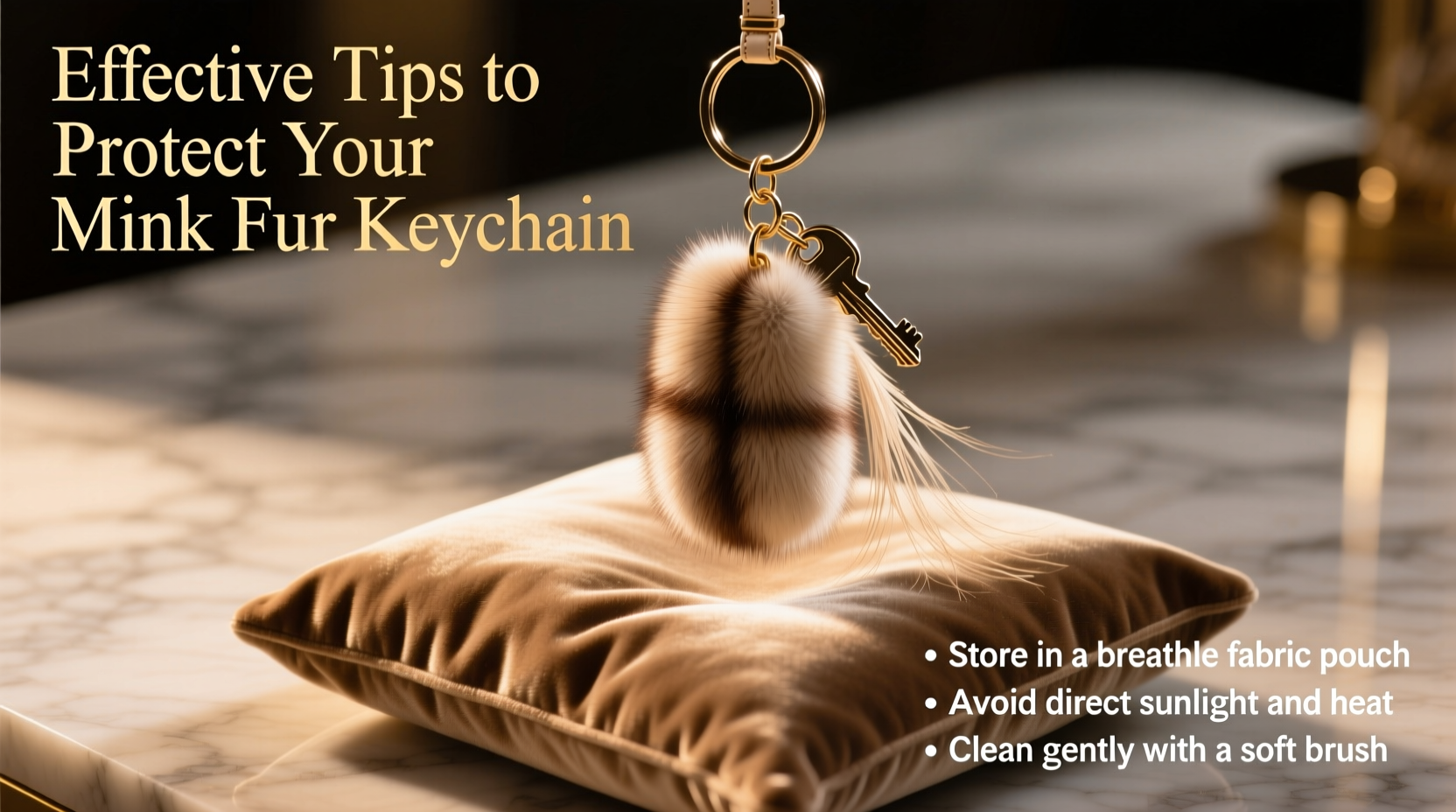
Mink fur is prized for its density, durability, and silky feel. It comes from the pelts of minks, small mammals bred specifically for their high-quality fur. The underfur is incredibly fine and insulating, while the guard hairs provide shine and protection. Because it's a natural protein fiber (like human hair), mink responds poorly to excessive moisture, heat, and harsh chemicals. Unlike leather or metal accessories, fur cannot be easily restored once damaged—prevention is key.
The compact size of a keychain might suggest minimal upkeep, but due to frequent handling and exposure to pockets, bags, and outdoor elements, it often faces more wear than larger fur items. Understanding how environmental factors affect mink helps inform smarter care decisions.
“Fur longevity isn’t about luck—it’s about consistency. Even small habits like avoiding perfume contact make a measurable difference.” — Lena Petrov, Fur Care Specialist at Heritage Furs Ltd.
Essential Daily Protection Habits
Daily use exposes your mink fur keychain to risks that accumulate over time. Simple behavioral adjustments can significantly extend its lifespan.
- Limit skin contact: Oils from your hands can transfer to the fur, causing soiling and dullness. Handle it minimally, especially when your hands are sweaty or oily.
- Detach when not needed: If you're entering a humid environment (like a gym or bathroom) or engaging in physical activity, remove the keychain temporarily.
- Avoid sharp edges: Don’t clip it near keys with jagged teeth or rough surfaces that can pull individual hairs.
- Rotate usage: If you own multiple keychains, rotate them weekly to reduce continuous stress on one piece.
Step-by-Step Guide: How to Safely Carry Your Mink Keychain
- Choose a dedicated inner pocket or pouch within your bag where the keychain won’t rub against hard objects.
- Use a soft-lined key organizer or a small fabric pouch to cushion the fur.
- Clip the keychain to a central ring rather than letting it dangle freely, reducing snagging risk.
- Check monthly for loose stitching or fraying at the attachment point.
- After rainy or snowy weather, allow the keychain to air-dry naturally before storage.
Proper Cleaning Techniques for Mink Fur
Cleaning mink fur requires gentleness. Never submerge it in water or use household cleaners. Over-cleaning can be as damaging as neglect.
Dusting and Surface Refreshing
Light debris and dust accumulate quickly. Use a very soft-bristled clothes brush or a clean baby boar bristle brush. Always stroke gently in the direction of the fur growth—never back and forth—to avoid tangling.
Spot Treatment for Soiling
If the fur gets lightly soiled (e.g., makeup, oil smudge), act quickly:
- Blot—not rub—the area with a clean, dry microfiber cloth.
- Use a specialized fur cleaner spray (available from furriers or luxury accessory retailers). Spray lightly onto a cotton pad, not directly on the fur.
- Gently dab the affected spot, then allow to air-dry completely away from heat sources.
- Once dry, lightly brush to restore texture.
For stubborn stains or unknown substances, consult a professional fur cleaner. Attempting DIY fixes with alcohol or detergent can permanently damage fibers.
Storage Best Practices: Do’s and Don’ts
Improper storage is the leading cause of premature fur degradation. Even brief exposure to poor conditions can lead to irreversible issues like yellowing or moth damage.
| Do’s | Don’ts |
|---|---|
| Store in a breathable cotton pouch or muslin bag | Never use plastic bags—trapped moisture promotes mold |
| Keep in a cool, dry place (ideally 50–60°F / 10–15°C) | Avoid attics, basements, or near radiators |
| Place cedar blocks nearby to deter moths naturally | Don’t use mothballs—they leave a strong odor and chemical residue |
| Allow occasional airing in indirect sunlight (max 15 minutes) | Never leave in direct sun—UV rays fade and weaken fur |
During summer months, if you won’t use the keychain frequently, store it in a closet drawer with airflow. Avoid vacuum-sealed containers, which compress the fur and destroy its natural volume.
Mini Case Study: A Traveler’s Mistake and Recovery
Sophie, a frequent traveler from Toronto, attached her mink fur keychain to her carry-on luggage handle during a winter trip to Iceland. Exposed to snow, wind, and repeated brushing against rough surfaces, the fur became matted and lost its luster within two weeks. Upon returning home, she noticed faint yellowing at the base.
She consulted a local furrier, who advised immediate professional cleaning and conditioning. The furrier used a gentle solvent bath and applied a pH-balanced fur dressing to restore softness. After treatment, Sophie began storing the keychain in a lined pouch and only attaching it indoors. Within a month, the fur regained most of its original appearance. This case highlights how environmental exposure—even short-term—can harm delicate fur, but timely intervention can reverse early damage.
Seasonal Maintenance Checklist
To ensure year-round preservation, follow this seasonal checklist:
- Spring: Inspect for moth signs; clean lightly; refresh storage with new cedar blocks.
- Summer: Store in a cool, dark drawer; avoid humidity; do not pack in suitcases.
- Fall: Air out for 10–15 minutes in shade; check stitching; reattach only when needed.
- Winter: Limit outdoor exposure; wipe after snow contact; brush weekly.
Frequently Asked Questions
Can I wash my mink fur keychain at home?
No. Mink fur should never be washed with water or standard detergents. Moisture causes fibers to swell and lose elasticity, leading to brittleness. Only professional fur cleaners have the solvents and expertise to clean fur safely.
Why is my mink fur turning yellow?
Yellowing is typically caused by oxidation from exposure to light, heat, or airborne pollutants like nicotine. It can also result from contact with acidic substances (e.g., sweat, perfume). Prevent it by minimizing exposure and storing properly. Once yellowed, reversal is difficult without professional restoration.
How long should a well-maintained mink fur keychain last?
With consistent care, a high-quality mink fur keychain can remain beautiful for 5–10 years or longer. Some vintage fur accessories, cared for meticulously, have lasted decades. Longevity depends more on maintenance than initial quality alone.
Final Thoughts: Preserve Beauty Through Mindful Care
Your mink fur keychain deserves attention that matches its elegance. Its small size doesn’t diminish the value of proper care—it amplifies the need for precision. From daily handling to seasonal storage, each decision impacts the fur’s longevity. By integrating simple habits like gentle brushing, protective storage, and avoiding chemical exposure, you safeguard both appearance and structural integrity.
True luxury lies not just in owning fine materials, but in honoring them through stewardship. Treat your mink fur keychain with respect, and it will reward you with enduring softness, shine, and sophistication.




 浙公网安备
33010002000092号
浙公网安备
33010002000092号 浙B2-20120091-4
Comments
No comments yet. Why don't you start the discussion?