
Bee keychains—adorable, symbolic, and often sentimental—are more than just functional accessories. Whether crafted from metal, enamel, resin, or wood, these tiny treasures carry personal meaning, represent environmental advocacy, or serve as stylish accents. But their small size and frequent use make them vulnerable to scratches, tarnishing, breakage, and loss. Without proper care, a cherished bee keychain can lose its luster or structural integrity in months. Fortunately, with mindful handling and consistent maintenance, you can preserve both its appearance and durability for years.
Understand Your Keychain’s Material
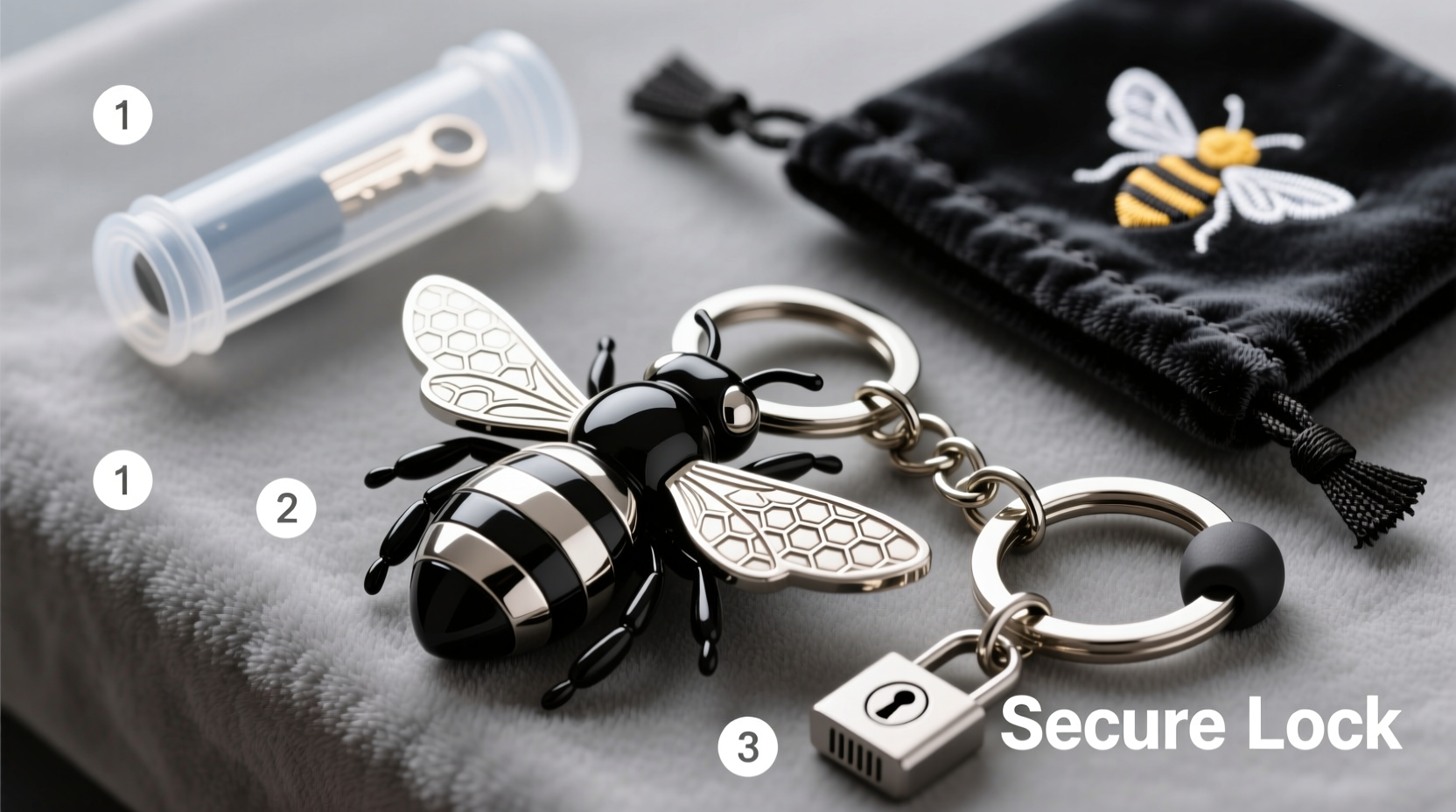
The first step in protecting your bee keychain is identifying the materials used in its construction. Different materials react uniquely to environmental factors and require distinct care approaches.
- Metal (brass, stainless steel, silver): Prone to tarnish when exposed to moisture or air; benefits from polishing and dry storage.
- Enamel: Colorful but fragile; can chip if dropped or scratched.
- Resin or plastic: Lightweight and durable but may yellow under UV exposure.
- Wood: Sensitive to humidity and temperature changes; needs conditioning to prevent cracking.
- Fabric or thread accents: Susceptible to fraying and staining; best kept dry and clean.
Knowing what your bee keychain is made of allows you to tailor your protection strategy effectively.
Preventive Handling and Daily Use Habits
How you interact with your keychain daily plays a major role in its longevity. Simple behavioral adjustments can significantly reduce wear.
- Limit excessive jingling: Constant clinking against other keys or hard surfaces causes micro-scratches and loosens attachments.
- Avoid contact with chemicals: Perfumes, hand sanitizers, lotions, and household cleaners can corrode metal or degrade coatings.
- Remove during high-risk activities: Take it off when swimming, exercising, gardening, or cleaning to avoid exposure to water, sweat, and abrasives.
- Use a dedicated key organizer: Instead of attaching the bee charm directly to bulky keys, place it on a slim ring or inside a soft pouch within your bag.
Think of your bee keychain not just as a tool, but as a keepsake—handling it with intention reduces cumulative stress.
Step-by-Step Cleaning Routine
Regular cleaning removes dirt buildup without damaging delicate finishes. Follow this safe 5-step process monthly or whenever visibly soiled:
- Disassemble if possible: Remove the bee charm from the keyring to clean each component separately.
- Dampen a soft cloth: Use distilled water only—never soak the piece.
- Gently wipe surfaces: Pay attention to crevices where grime collects. For metal, use a jewelry polishing cloth afterward.
- Air-dry completely: Lay flat on a lint-free towel away from direct sunlight.
- Inspect for damage: Check for loose parts, cracks, or fading before reassembling.
Never use ultrasonic cleaners, steam, or chemical dips unless explicitly recommended for your keychain’s material.
Storage Solutions That Work
When not in use, improper storage is one of the leading causes of keychain degradation. A cluttered key bowl or damp drawer accelerates corrosion and impact damage.
| Material Type | Recommended Storage | To Avoid |
|---|---|---|
| Metal | Soft-lined jewelry box or anti-tarnish pouch | Plastic bags (traps moisture), humid areas |
| Enamel/Resin | Separate compartment in a padded case | Piling under heavy objects, extreme heat |
| Wood | Cool, stable environment with occasional oil touch-up | Bathrooms, cars, direct sunlight |
| All Types | With silica gel packet to absorb moisture | Leaving loose in pockets or bags |
Even if you use your bee keychain daily, consider storing it properly overnight to minimize unnecessary exposure.
Expert Insight: Why Small Items Need Big Care
While large accessories like watches or handbags often receive meticulous attention, smaller items are frequently overlooked—despite being equally vulnerable.
“Tiny components experience disproportionate stress due to their size. A bee keychain might endure hundreds of impacts annually just from being tossed into a bag. Consistent care isn’t overkill—it’s essential.” — Lena Torres, Accessory Preservation Specialist, Metropolitan Lifestyle Institute
This insight underscores that miniature doesn’t mean low-maintenance. In fact, the opposite is true: smaller items often need more precise care to survive daily rigors.
Real-Life Example: Recovering a Tarnished Silver Bee
Sophie, a teacher from Portland, received a sterling silver bee keychain as a gift from her grandmother. She wore it daily for six months, attaching it to her car keys. After frequent exposure to rain and hand sanitizer, the bee dulled and began flaking at the wing edges.
She consulted a local jeweler who advised immediate removal from wet environments, gentle polishing with a silver cloth, and storage in an anti-tarnish pouch. Within weeks, the shine returned, and Sophie now rotates between two keychains to reduce strain on either.
Her story highlights how neglect compounds quickly—but also how timely intervention can restore even damaged pieces.
Checklist: Monthly Bee Keychain Maintenance
Stay proactive with this simple checklist to ensure long-term preservation:
- ✅ Inspect for loose parts or signs of wear
- ✅ Clean gently using appropriate method for material
- ✅ Polish metal components if needed
- ✅ Replace worn keyrings or split rings
- ✅ Confirm storage remains dry and secure
- ✅ Rotate usage if you own multiple keychains
Set a calendar reminder to complete this routine—just five minutes a month can extend your keychain’s life by several years.
Frequently Asked Questions
Can I wear my bee keychain in the shower?
No. Water, especially chlorinated or saltwater, accelerates corrosion in metals and weakens adhesives in composite materials. Always remove before bathing.
What should I do if the paint starts chipping?
Stop further handling immediately. Store in a protective case and consult a specialist in small-item restoration. Attempting DIY touch-ups may worsen the damage.
How can I prevent losing my bee keychain?
Attach it to a retractable badge reel, use a brightly colored key fob, or keep it on a separate, lightweight ring. Consider engraving your contact info as a backup.
Conclusion: Protect What You Value
Your bee keychain may be small in size, but its significance—whether emotional, symbolic, or aesthetic—is anything but minor. By understanding its vulnerabilities and committing to simple, consistent care habits, you preserve not just its form, but the memories and values it represents.
Start today: clean it, inspect it, store it right. These small acts of attention compound into lasting protection. Cherish your bee keychain not only as a tool, but as a meaningful object worth defending from time and wear.




 浙公网安备
33010002000092号
浙公网安备
33010002000092号 浙B2-20120091-4
Comments
No comments yet. Why don't you start the discussion?