
Crossbody bags are a staple in modern wardrobes—practical, stylish, and perfect for hands-free convenience. But when the skies open up, that sleek leather or woven fabric can quickly become waterlogged, stained, or warped. Rain doesn’t just leave temporary dampness; it can compromise structural integrity, encourage mold growth, and fade colors permanently. The good news? With the right preventive measures and maintenance habits, you can protect your favorite bag from weather-related wear and extend its lifespan significantly.
Choose the Right Material for Weather Resistance
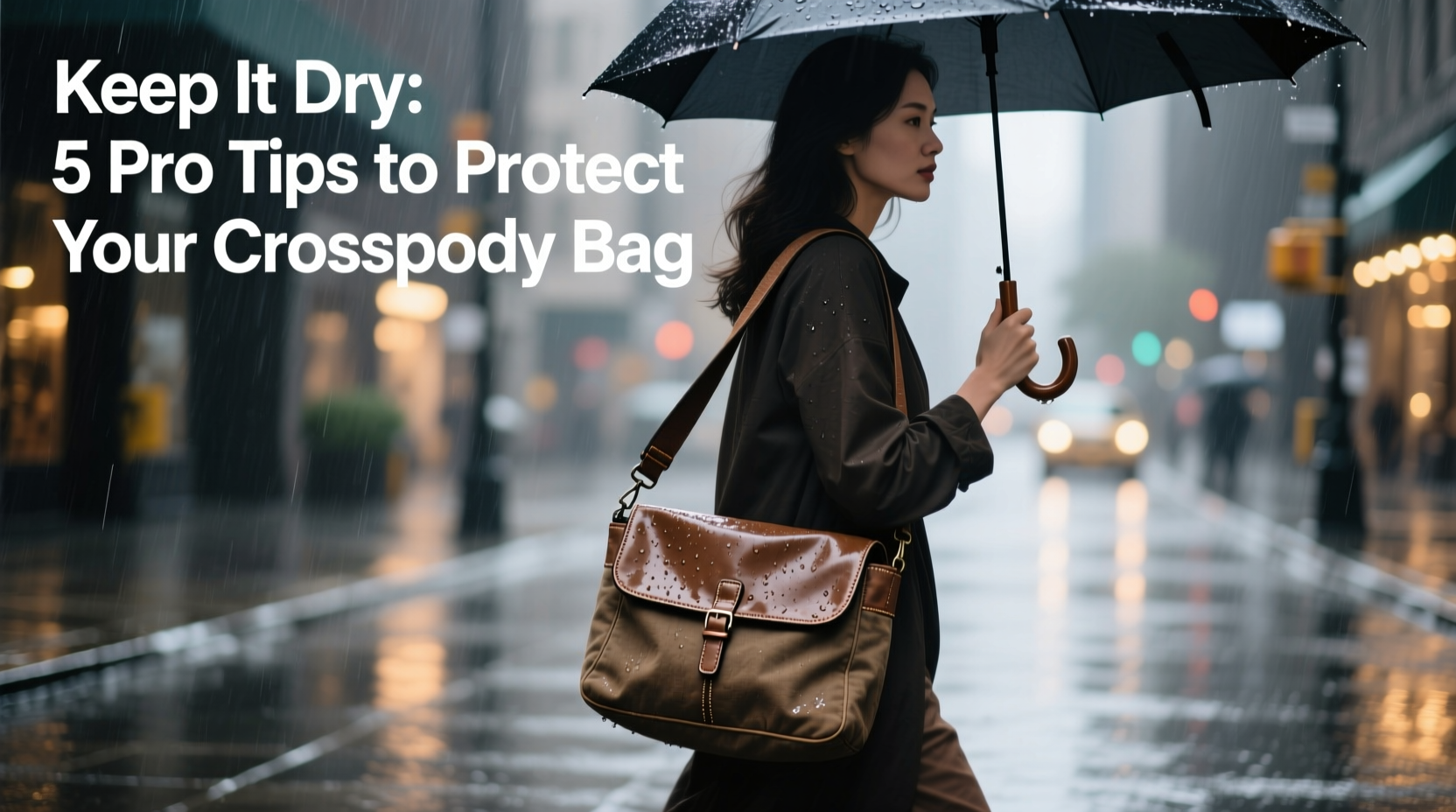
The foundation of rain protection starts before you even step outside. Not all materials respond to moisture the same way. Some naturally repel water, while others absorb it like a sponge. When selecting or assessing your crossbody bag, consider its material composition carefully.
- Water-Resistant Options: Synthetic nylon, coated canvas, waxed cotton, and treated leather offer inherent resistance to light rain. These materials create a barrier that slows down water penetration.
- Avoid High-Risk Fabrics: Untreated suede, raw leather, and unlined linen are highly vulnerable to water stains and warping. Even brief exposure can leave lasting marks.
- Hybrid Designs: Some brands now integrate waterproof linings beneath breathable exteriors, combining style with function without sacrificing aesthetics.
Apply Protective Treatments Before Exposure
Just like sunscreen for your skin, protective sprays act as a first line of defense for your bag. A quality fabric or leather protector forms an invisible shield that causes water to bead up and roll off instead of soaking in.
- Clean the surface thoroughly using a dry microfiber cloth to remove dust and oils.
- Hold the spray 6–8 inches away and apply in even, overlapping passes.
- Allow 24 hours of drying time before use, especially in humid conditions.
- Reapply every 4–6 weeks, or after heavy exposure or cleaning.
For leather, opt for silicone-free conditioners that nourish while protecting. Avoid petroleum-based products on fabric—they can darken or stiffen fibers.
| Material Type | Recommended Protector | Reapplication Frequency |
|---|---|---|
| Leather | Leather guard spray with UV + water protection | Every 6 weeks |
| Suede/Nubuck | Suede-specific spray (non-silicone) | Every 3–4 weeks |
| Canvas/Fabric | Fluoropolymer-based fabric protector | Monthly |
| Nylon/Polyester | Water-repellent treatment spray | Every 8 weeks |
Use Physical Barriers During Downpours
When rain is imminent, don’t rely solely on chemical treatments. Physical protection offers immediate, reliable defense.
- Carry a compact, reusable rain cover designed for bags. Many fold into their own pocket and attach via straps or clips.
- In a pinch, use a plastic grocery bag—cut small holes for the strap, slide it over the bag, and tuck the excess inside.
- Avoid umbrellas that only partially cover the bag; side winds can still drive moisture into seams and zippers.
Never place a wet bag directly into another bag or on upholstered furniture. Moisture transfer can stain surfaces and promote mildew.
“Most water damage isn’t from the rain itself—it’s from letting the bag stay wet afterward. Immediate drying and ventilation are critical.” — Marcus Lin, Accessory Preservation Specialist at Urban Leather Care Co.
Post-Rain Care Routine: What to Do After Getting Wet
If your bag does get caught in the rain, how you respond in the next 30 minutes determines whether it survives unscathed or suffers long-term damage.
Step-by-Step Drying Process
- Remove Contents Immediately: Empty everything to prevent water spots on items inside and allow airflow within compartments.
- Wipe Surface Gently: Use a clean, absorbent microfiber cloth to blot (not rub) exterior and interior surfaces.
- Air Dry Naturally: Place the bag upright in a well-ventilated room, away from direct heat sources like radiators or hairdryers. Heat can crack leather and warp synthetic layers.
- Maintain Shape: Stuff loosely with acid-free tissue paper or a soft towel to prevent sagging or creasing.
- Check Zippers and Hardware: Wipe metal parts dry to avoid corrosion, especially on brass or nickel finishes.
Do not use a clothes dryer, oven, or sunlight to speed drying. These methods degrade adhesives, shrink materials, and cause discoloration.
Real-Life Scenario: How One Commuter Saved Her Favorite Bag
Sophie, a graphic designer in Seattle, relies on her tan crossbody bag for daily commutes. One afternoon, caught in an unexpected storm, she arrived at work soaked—with her bag drenched. Instead of leaving it in her desk drawer, she followed a strict recovery protocol.
She removed her wallet and notebook, wiped the exterior with a dry cloth from her office kit, and placed the bag near a fan with the flap open. She stuffed it with spare printer paper to hold shape and left it overnight. The next morning, the bag showed no signs of watermarks or odor. Two days later, she reapplied a leather protector. Six months on, the bag remains in excellent condition—proof that timely action makes all the difference.
Essential Maintenance Checklist
To keep your crossbody bag consistently protected, follow this monthly checklist:
- ✔ Inspect for stains, scuffs, or hardware looseness
- ✔ Clean surface with appropriate wipes or cloths
- ✔ Reapply protective spray if needed
- ✔ Check lining for moisture retention or mildew
- ✔ Store properly when not in use (see below)
Proper Storage Between Uses
Even when not exposed to rain, improper storage can undo all your protective efforts. Humidity, dust, and compression weaken materials over time.
- Always store in a breathable cotton dust bag—not plastic, which traps moisture.
- Keep in a cool, dark closet with stable temperature and low humidity.
- Avoid hanging by the strap long-term; this stretches the leather or weakens stitching.
- Rotate usage among multiple bags to reduce wear concentration.
“Consistent care and proper storage can double a bag’s lifespan.” — Emma Clarke, Fashion Care Expert
Frequently Asked Questions
Can I wash my crossbody bag in the washing machine?
No. Machine washing agitates delicate materials, damages hardware, and can ruin adhesives. Always clean by hand using recommended products for the specific material.
What should I do if my bag develops a mildew smell?
Wipe interior with a cloth dampened with equal parts water and white vinegar. Let air dry completely. Never use perfumed sprays to mask odors—they trap moisture and worsen the problem.
Are waterproof sprays safe for colored bags?
Yes, but always test on a small, hidden area first. Some sprays may darken or alter the texture of certain fabrics, especially natural leathers and suede.
Final Thoughts: Protect Today, Preserve Tomorrow
Your crossbody bag is more than an accessory—it’s a functional companion through daily life. Rain is inevitable, but damage doesn’t have to be. By choosing resilient materials, applying proactive treatments, responding swiftly to wetness, and maintaining consistent care, you preserve both appearance and longevity. These habits require minimal effort but deliver maximum return in durability and style retention.




 浙公网安备
33010002000092号
浙公网安备
33010002000092号 浙B2-20120091-4
Comments
No comments yet. Why don't you start the discussion?