
False nails—whether acrylics, gels, or press-ons—offer a quick way to achieve salon-quality length and style. But nothing undermines that polished look faster than a nail lifting at the edges. Lifting doesn’t just ruin your aesthetic; it creates space for bacteria and moisture to accumulate, increasing the risk of fungal infections and weakening your natural nails over time. The good news is that most lifting is preventable with proper preparation, application, and maintenance. Understanding the science behind adhesion and daily wear can make the difference between a manicure that lasts two days and one that thrives for three weeks.
Why False Nails Lift: The Science Behind Adhesion Failure
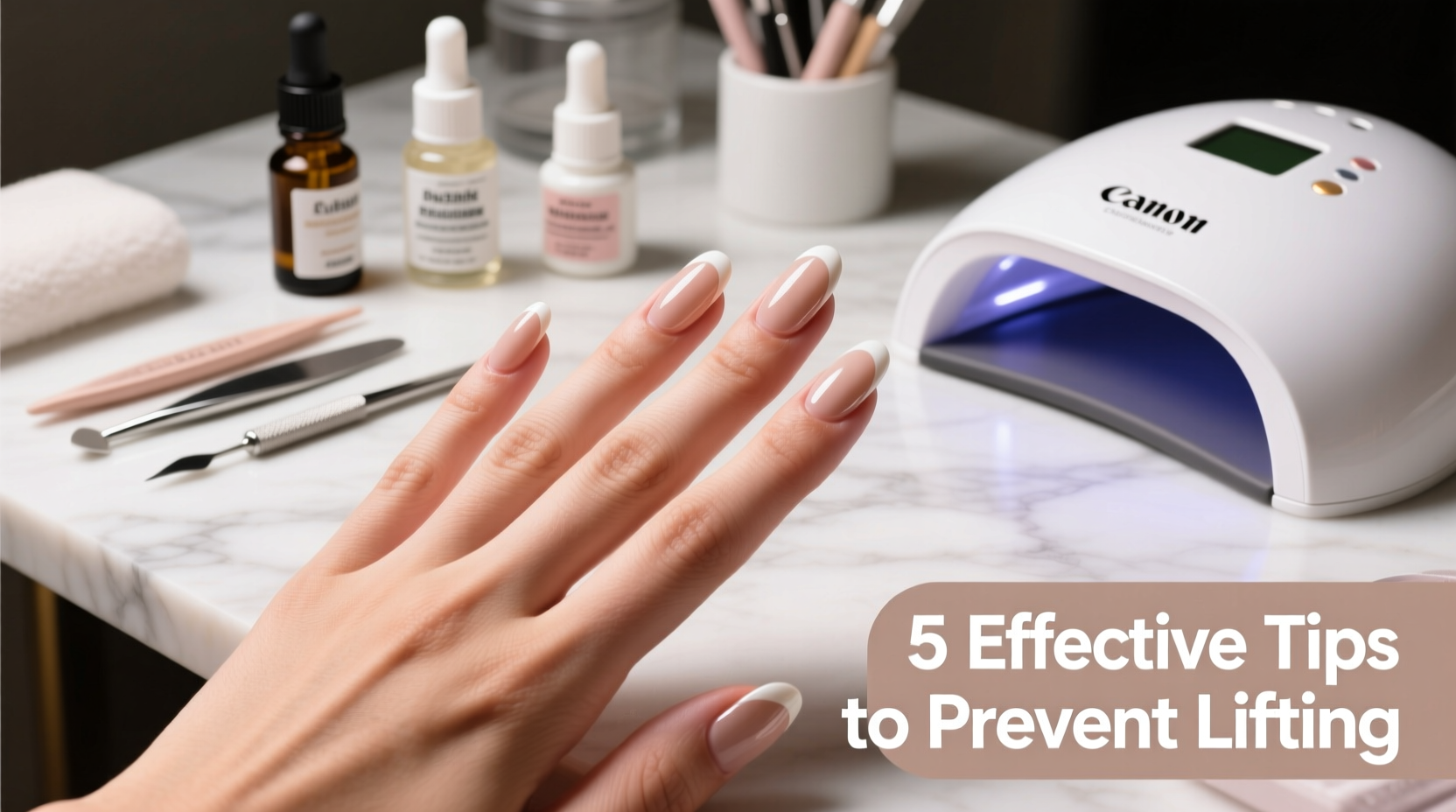
Nail lifting occurs when the bond between the artificial nail and the natural nail plate weakens. This separation typically starts at the cuticle or sides and progresses outward. The primary causes include improper nail preparation, exposure to moisture, excessive oil buildup, physical trauma, and using low-quality products.
The natural nail surface must be completely clean, dry, and slightly roughened to allow adhesive or monomer to grip effectively. Any residue—such as oils, lotions, or dust—creates a barrier that prevents proper bonding. Additionally, changes in temperature and humidity can cause the nail plate to expand or contract, stressing the bond. Over time, repeated exposure to water (like washing dishes or showering) softens the adhesive, especially if the seal around the edges isn't maintained.
“Adhesion begins long before the product touches the nail. A well-prepped nail is 80% of the battle.” — Lena Torres, Master Nail Technician & Educator
Step-by-Step Guide: Preparing Your Nails for Long-Lasting Wear
Successful application starts with meticulous prep. Skipping even one step can compromise durability. Follow this timeline to ensure optimal conditions for adhesion:
- Remove old polish and degrease: Use an acetone-based remover without added oils to eliminate any polish, sunscreen, or moisturizer residue.
- Shape and buff gently: File your natural nails into the desired shape. Lightly buff the surface with a fine-grit file (180/240) to create micro-abrasions for better grip—avoid over-buffing, which damages the nail.
- Cleanse with alcohol wipe: Wipe each nail with 70% isopropyl alcohol to remove invisible oils and dust.
- Push back cuticles: Gently push back cuticles to expose the entire nail bed and prevent lifting at the base.
- Avoid touching the nail surface: Once prepped, refrain from touching your nails with fingers to prevent transferring skin oils.
Do’s and Don’ts During Application and Daily Wear
How you apply and treat your false nails after application plays a major role in their longevity. The following table outlines key behaviors to adopt—and avoid—for maximum durability.
| Do’s | Don’ts |
|---|---|
| Apply thin, even layers of primer or adhesive | Use excessive glue or monomer |
| Seal the free edge by capping the tip | Leave the front edge unsealed |
| Wear gloves when cleaning or gardening | Use nails as tools (e.g., opening cans) |
| Moisturize cuticles—not the nail bed—daily | Soak hands in oil or water for long periods |
| Reinforce weak spots with a top coat every 5–7 days | Peel or pick at lifting nails |
Real Example: How Sarah Extended Her Acrylics by 10 Days
Sarah, a nurse from Portland, struggled with her acrylics lifting within a week due to constant handwashing and glove use. After consulting with her nail technician, she adjusted her routine. She began wearing nitrile gloves under her work gloves during shifts, applied a weekly dip-sealant on the free edges, and switched to a non-oily hand sanitizer. She also started prepping her nails with a dedicated nail dehydrator before reapplying top coats. These small changes extended her acrylics from 7 to 17 days without lifting. Her experience highlights how occupational demands require tailored solutions, not just generic advice.
Essential Maintenance Checklist for Lasting False Nails
To keep your false nails securely bonded, integrate these actions into your weekly routine:
- Inspect nails every 2–3 days for early signs of lifting or chipping
- Apply a thin layer of durable top coat every 5–7 days
- Use cuticle oil sparingly and only on the cuticle, never on the nail bed
- Repair minor lifts immediately with a nail adhesive pen
- Keep nails trimmed to a manageable length to reduce leverage stress
- Avoid prolonged exposure to chlorinated water or harsh chemicals
- Store nail products in a cool, dark place to maintain potency
Frequently Asked Questions
Can I fix a lifted false nail at home?
Yes, minor lifts can often be repaired at home. Clean the lifted area thoroughly with alcohol, apply a small amount of nail glue designed for enhancements, and press the nail down firmly. Avoid sealing large lifts, as trapped moisture can lead to infection. In such cases, see a professional for removal and rebalance.
How long should false nails last without lifting?
A well-applied set of false nails should last 2–3 weeks without lifting, depending on the type and your lifestyle. Press-ons may last 7–10 days, while professionally applied acrylics or gels can last up to four weeks with proper care and fills.
Does using a UV/LED lamp help prevent lifting with gel nails?
The lamp itself doesn’t prevent lifting, but proper curing does. Under-cured gel remains tacky and weak, making it prone to separation. Ensure each layer is cured according to the manufacturer’s instructions—typically 30–60 seconds per layer under a quality LED lamp.
Conclusion: Build a Routine That Works for You
Lifting false nails don’t have to be inevitable. With the right preparation, application technique, and daily habits, you can significantly extend the life of your manicure. It’s not about perfection—it’s about consistency. Whether you’re a busy professional, a parent, or someone who loves frequent style changes, adapting these strategies to your lifestyle ensures your nails stay intact, healthy, and beautiful. Small investments in care yield long-term results, both in appearance and nail health.




 浙公网安备
33010002000092号
浙公网安备
33010002000092号 浙B2-20120091-4
Comments
No comments yet. Why don't you start the discussion?