
Clear silicone phone cases were once the go-to choice for users who wanted protection without sacrificing style. Their transparent design showcased sleek phone finishes, but over time, many noticed a frustrating trend: the cases began to yellow. What was once crystal-clear turned into an unappealing amber hue, especially around the edges and corners. This discoloration doesn’t just look bad—it signals degradation of the material. The good news is that yellowing isn’t inevitable. With the right care, storage, and cleaning habits, you can significantly delay or even prevent it. Understanding why it happens and how to fight it makes all the difference.
Why Clear Silicone Cases Yellow Over Time
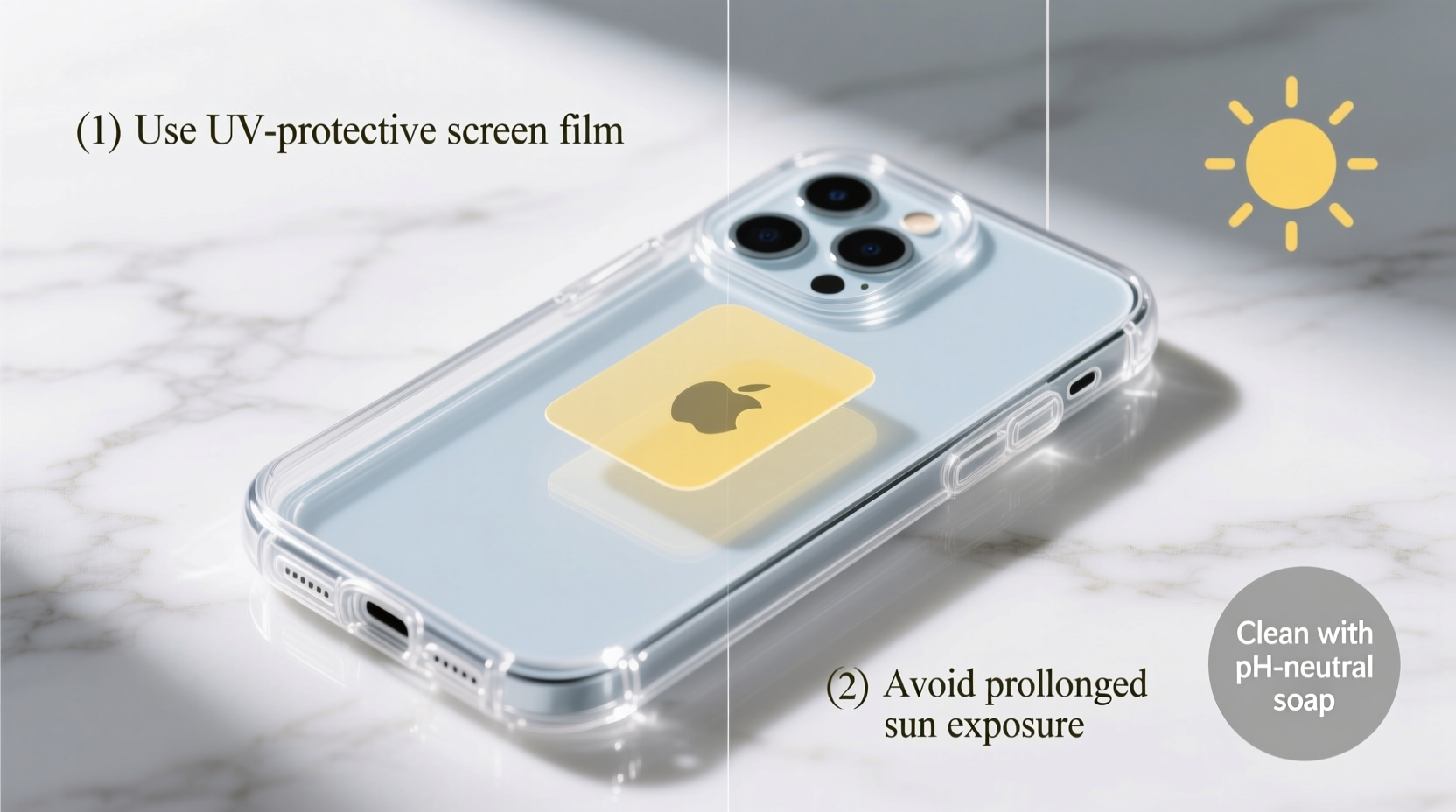
Silicone itself is naturally resistant to heat, UV light, and oxidation, but most “clear” phone cases aren’t made from pure silicone. Instead, they’re often a blend of silicone and other polymers—sometimes including cheaper plastics like TPU (thermoplastic polyurethane)—which are more prone to yellowing. The primary causes of discoloration include:
- UV exposure: Sunlight, especially ultraviolet rays, breaks down chemical bonds in polymers, leading to oxidation and yellowing.
- Oxidation from air pollutants: Ozone, nitrogen oxides, and other airborne chemicals react with plasticizers in the case material.
- Contact with oils and lotions: Skin oils, hand sanitizers, and cosmetics contain compounds that accelerate material breakdown.
- Heat exposure: Leaving your phone on a car dashboard or near a radiator speeds up degradation.
- Poor-quality materials: Low-cost cases use fillers and unstable additives that degrade faster.
“Many so-called ‘silicone’ cases are actually silicone-coated TPU, which is far more susceptible to yellowing than medical-grade silicone.” — Dr. Lena Patel, Materials Scientist at GreenTech Polymers
Proven Prevention Strategies to Delay Yellowing
Prevention is always better than cure. Once a case starts yellowing, reversal becomes difficult. These daily habits can extend clarity by months—or even years.
Store Away from Direct Sunlight
Never leave your phone on a windowsill, car console, or outdoor table for extended periods. Even indirect sunlight contributes to UV damage over time. Store your device in a shaded pocket or bag when not in use.
Choose High-Quality Materials
Invest in cases labeled as “medical-grade silicone” or “plasticizer-free.” These are less likely to degrade. Brands like Pela, Mujjo, and Nomad offer eco-conscious options with improved longevity. Read product descriptions carefully—look for certifications or material disclosures.
Limit Exposure to Chemicals
Avoid using alcohol-based cleaners directly on the case. Hand sanitizer, perfume, and household cleaners contain solvents that break down polymer chains. Wash your hands before handling your phone if you’ve applied lotion or sanitizer.
Daily Maintenance Routine for Long-Term Clarity
A consistent cleaning schedule removes contaminants before they cause lasting damage. Follow this weekly routine to maintain freshness:
- Remove the case from your phone.
- Rinse under lukewarm water to remove loose debris.
- Use a soft toothbrush and mild dish soap to gently scrub seams and corners.
- Rinse thoroughly and dry with a lint-free cloth.
- Air-dry completely before reattaching to the phone.
Step-by-Step Guide to Restore a Slightly Yellowed Case
If your case has begun to yellow but isn’t severely damaged, restoration is possible. This method uses gentle oxidation reversal and should be done cautiously.
- Prepare a cleaning paste: Mix equal parts baking soda and hydrogen peroxide (3%) to form a thick paste.
- Apply with a soft brush: Gently rub the paste onto discolored areas using a clean toothbrush. Focus on edges and corners.
- Let sit for 2–3 hours: Place the case in direct sunlight during this time. UV light activates the hydrogen peroxide’s bleaching effect.
- Rinse and dry: Wash off all residue with cool water and dry completely.
- Evaluate results: Repeat once if needed, but no more than twice to avoid surface erosion.
Note: This method works best on early-stage yellowing. Severely degraded cases may not recover fully and should be replaced.
Do’s and Don’ts: Care Comparison Table
| Do | Don’t |
|---|---|
| Wipe the case weekly with a damp microfiber cloth | Use bleach or ammonia-based cleaners |
| Store the phone in a cool, dark place overnight | Leave it on a sunny car dashboard |
| Rotate between two cases to reduce wear | Use abrasive scrubbing pads |
| Choose cases with anti-yellowing coatings | Buy ultra-cheap cases from unknown brands |
| Wash hands before prolonged phone use | Apply hand sanitizer and immediately handle the phone |
Real Example: How Sarah Extended Her Case’s Life by 14 Months
Sarah, a graphic designer from Portland, used to replace her clear case every 3–4 months due to rapid yellowing. After switching to a medical-grade silicone model and implementing a simple routine—weekly wipe-downs with soapy water, nightly storage in a drawer, and avoiding her car’s front seat—her latest case remained clear for 14 months. She also started using a matte screen protector to reduce glare, which minimized the visual contrast between the screen and any minor edge discoloration. “I didn’t think a few small changes would make such a big difference,” she said. “Now my phone still looks brand new.”
Expert-Recommended Checklist for Crystal-Clear Cases
Follow this actionable checklist monthly to keep your case looking fresh:
- ☐ Clean the case with mild soap and water
- ☐ Inspect for early signs of yellowing or cracking
- ☐ Wipe down phone before reinserting into the case
- ☐ Rotate to a backup case if available
- ☐ Store phone away from heat sources and direct light
- ☐ Check manufacturer guidelines for material care
- ☐ Replace case if yellowing becomes permanent or texture changes
Frequently Asked Questions
Can I prevent yellowing completely?
While no clear case lasts forever, high-quality materials combined with proper care can delay yellowing for over a year. Complete prevention is unlikely due to environmental exposure, but significant delay is achievable.
Is UV sterilization safe for clear cases?
No. UV-C light used in phone sanitizers accelerates polymer degradation. While effective for killing germs, frequent use will speed up yellowing. Limit UV sanitizing to once a week or less.
Are yellowed cases harmful?
Yellowing itself isn’t dangerous, but it indicates material breakdown. A brittle or sticky case may lose grip and protective ability. If the surface feels tacky or cracked, it’s time to replace it for both hygiene and safety reasons.
Final Thoughts: Small Habits, Big Results
Keeping a clear silicone phone case looking new isn’t about perfection—it’s about consistency. The key lies in understanding that yellowing is a slow chemical reaction, and every preventive action slows that process. From choosing better materials to adopting simple cleaning rituals, each step adds up. You don’t need expensive tools or rare products. Just awareness and attention to detail. A clear case shouldn’t be disposable. With mindful care, it can remain a sleek, protective companion for your device far longer than expected.




 浙公网安备
33010002000092号
浙公网安备
33010002000092号 浙B2-20120091-4
Comments
No comments yet. Why don't you start the discussion?