
Phone pendants—whether they're stylish charms, lanyards, or functional wrist straps—are more than just accessories. They add personality, improve grip, and reduce the risk of drops. But their constant exposure to tension, friction, and daily wear makes them prone to fraying, snapping, or detaching unexpectedly. A broken pendant doesn’t just mean losing a favorite accessory—it can also leave your phone vulnerable to falls. The good news is that with the right care and preventive habits, you can significantly extend the life of your phone pendant and keep it secure.
Choose the Right Material for Durability
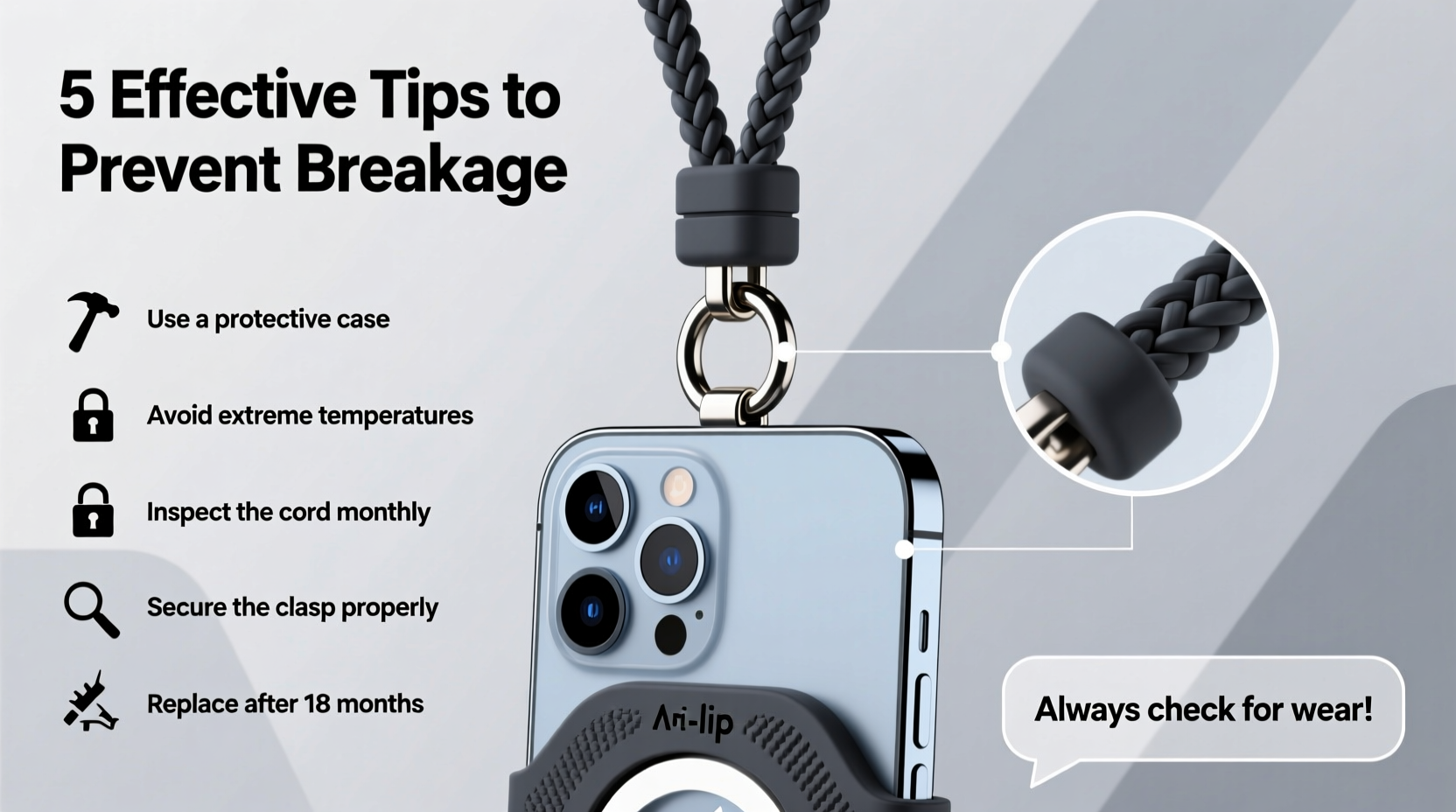
The foundation of a long-lasting phone pendant lies in its material. Not all cords, chains, or straps are created equal. Some materials naturally resist wear better than others, especially under frequent handling and environmental stress.
- Nylon or ballistic weave cords: Highly resistant to abrasion and stretching. Ideal for active users.
- Silicone-coated steel cables: Combine flexibility with strength, often used in premium lanyards.
- Stainless steel chains: Offer a sleek look and excellent resistance to corrosion and breakage.
- Cotton or fabric cords: Aesthetic but less durable; best suited for light use and indoor environments.
Reinforce High-Stress Connection Points
The weakest part of any phone pendant is typically where it connects to the phone case or attachment ring. This junction bears the full weight of the device during swings, tugs, or accidental snags. Reinforcing this area is critical.
Use metal split rings or carabiners rated for at least 5 kg (11 lbs) to link your pendant to the case. These distribute force more evenly than plastic loops or flimsy keyrings. If your case has a dedicated lanyard hole, ensure it’s reinforced with a metal grommet. For cases without one, consider using a clip-on adapter designed specifically for lanyards.
“Over 70% of pendant failures originate at the connection point. A simple upgrade to a hardened steel connector can triple its lifespan.” — Jordan Lee, Product Durability Analyst at MobileGear Labs
Follow a Step-by-Step Maintenance Routine
Maintenance isn't just about cleaning—it's about regular inspection and proactive reinforcement. Here’s a weekly routine to keep your pendant in top condition:
- Inspect for fraying: Run your fingers along the entire length of the cord or chain. Look for loose threads, kinks, or weak links.
- Check attachment hardware: Ensure screws on clips or jump rings are tight. Replace any corroded or bent components.
- Clean gently: Use a soft cloth dampened with mild soapy water for fabric or silicone. For metal parts, wipe with a dry microfiber cloth to prevent oxidation.
- Test load capacity: Lightly tug on the pendant while it’s attached to simulate real-world stress. Any stretch or slippage indicates weakening.
- Rotate usage: If you own multiple pendants, alternate between them to reduce continuous strain on a single unit.
Common Mistakes That Accelerate Pendant Damage
Even with the best intentions, everyday habits can unknowingly shorten your pendant’s life. Recognizing these pitfalls helps avoid preventable failures.
| Mistake | Why It’s Harmful | Better Alternative |
|---|---|---|
| Attaching heavy charms | Adds extra weight and leverage, increasing strain on the cord | Use lightweight, flat charms or none at all |
| Leaving pendant exposed to moisture | Causes rust in metal parts and fiber degradation in cords | Dry thoroughly after exposure; store in dry place |
| Using near sharp objects | Edges from keys or zippers can fray cords over time | Keep pendant away from abrasive items in pockets or bags |
| Pulling the phone by the pendant | Applies sudden force beyond design limits | Always lift the phone directly, not via the pendant |
Real-World Example: How One User Prevented Repeated Breaks
Sophie, a travel blogger based in Bangkok, used to go through a new phone pendant every few weeks. Her lanyard would fray at the base after being clipped to her crossbody bag while navigating crowded markets. After her third pendant snapped—causing her phone to fall into a puddle—she decided to investigate.
She switched from a decorative cotton strap to a military-grade nylon lanyard with a stainless steel swivel clasp. She also began removing the pendant when riding motorbikes or entering humid areas like temples. By rotating two identical lanyards and inspecting them weekly, she hasn’t had a failure in over eight months. “It’s not just about buying stronger gear,” she says. “It’s about treating it like part of my phone’s safety system.”
Essential Checklist for Pendant Longevity
To make maintenance effortless, follow this quick-reference checklist every week:
- ✅ Inspect entire length for signs of wear
- ✅ Confirm secure attachment to case or ring
- ✅ Clean with appropriate method for material
- ✅ Remove before swimming, showering, or exercising
- ✅ Store separately from keys and sharp objects
- ✅ Replace immediately if fraying exceeds 2mm
- ✅ Use only with compatible, reinforced phone cases
Frequently Asked Questions
Can I repair a slightly frayed pendant?
Minor fraying on fabric or nylon cords can sometimes be stabilized with a small amount of clear nail polish or fabric sealant applied carefully to the affected area. However, if fibers are separating or the core strands are exposed, replacement is safer. Do not rely on temporary fixes for primary support.
Are leather phone straps durable?
Leather can be strong but is sensitive to moisture, UV light, and repeated bending. Over time, it dries out and cracks, especially at stress points. If you prefer leather, opt for vegetable-tanned varieties with sealed edges and avoid using them in humid climates or during physical activity.
How do I know when to replace my phone pendant?
Replace your pendant if you notice any of the following: visible thinning in the cord, difficulty securing the clasp, discoloration due to chemical exposure, or if it has survived a significant drop. Proactive replacement prevents catastrophic failure when you need it most.
Final Thoughts: Treat Your Pendant Like a Safety Line
Your phone pendant isn’t just a fashion statement—it’s a functional tether that protects one of your most valuable daily tools. Just as climbers inspect their ropes or mechanics check harnesses, you should treat your pendant with the same level of attention. The combination of smart material choices, regular inspection, and mindful usage creates a reliable system that lasts.




 浙公网安备
33010002000092号
浙公网安备
33010002000092号 浙B2-20120091-4
Comments
No comments yet. Why don't you start the discussion?