
Cats are naturally curious creatures, and their fascination with water can manifest in unexpected behaviors—like pawing at, splashing in, or even lying down in their water bowl. While this may seem harmless at first, it can lead to messes, unhygienic conditions, and inconsistent water intake if the bowl is frequently overturned. The key is not to punish the behavior but to redirect it using humane, low-stress methods that respect your cat’s instincts while promoting healthier habits.
Understanding why cats play in their water bowls is the first step toward addressing the issue. Some cats enjoy the sensation of moving water, others may be mimicking hunting behaviors, and some simply find still water unappealing. By identifying the root cause and implementing thoughtful changes, you can create a more suitable environment for your feline companion—one where clean drinking is encouraged and playful interference is gently discouraged.
Why Cats Play in Their Water Bowl
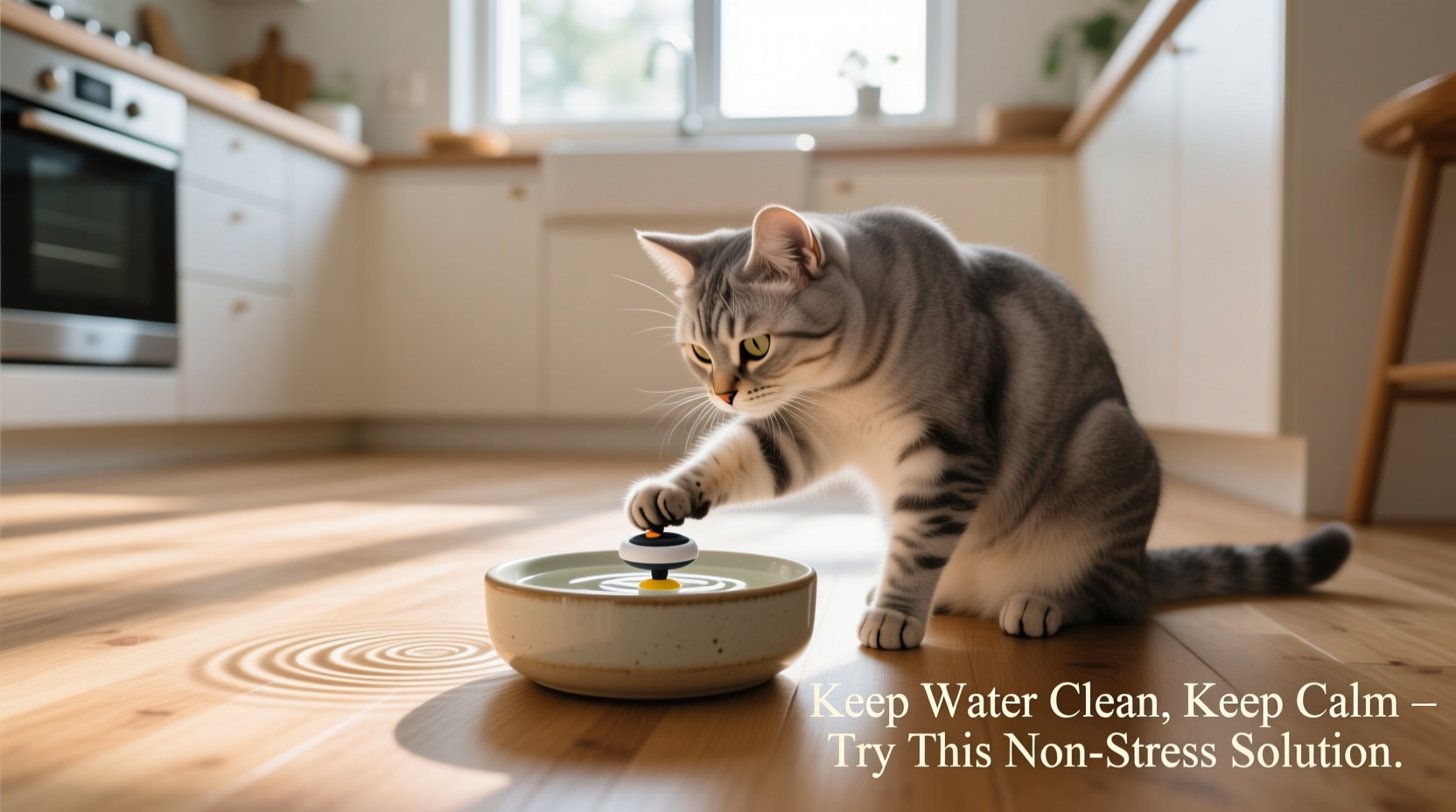
Cat behavior often stems from instinctual patterns developed over generations. What might appear as mischief is usually an expression of natural curiosity or sensory preference. Several factors contribute to a cat's tendency to interact with their water source:
- Preference for moving water: In the wild, flowing water signals freshness and safety. Many domestic cats retain this instinct and may paw at still water to simulate movement.
- Texture and temperature sensitivity: Some cats dislike certain materials (like plastic) or water that feels too warm. They may test the water with their paws before drinking—or avoid it altogether.
- Boredom or excess energy: Indoor cats without sufficient stimulation may treat the water bowl as a toy.
- Associative learning: If pawing the water results in attention—even negative reactions—they may repeat the behavior for interaction.
Addressing these underlying motivations allows for long-term solutions rather than temporary fixes.
Step-by-Step Guide to Discourage Water Bowl Play
Changing your cat’s behavior around water requires consistency, patience, and environmental adjustments. Follow this timeline-based approach for best results:
- Week 1: Assess and Replace the Bowl
Switch from a shallow plastic bowl to a wide, ceramic or stainless steel one that’s difficult to tip. Ensure it’s cleaned daily to maintain freshness. - Week 2: Introduce a Water Fountain
Add a pet-safe fountain in a separate location. The sound and motion of flowing water often attract cats away from still bowls. - Week 3: Relocate the Water Source
Move the original bowl to a less trafficked area or place it on a textured mat that makes pawing unpleasant (e.g., silicone or rubber). - Week 4: Increase Environmental Enrichment
Provide interactive toys, climbing structures, or scheduled play sessions to redirect energy that might otherwise go into water play. - Ongoing: Monitor and Reinforce
Praise calm drinking behavior and avoid reacting strongly to unwanted actions. Consistency prevents regression.
This gradual method avoids overwhelming your cat while systematically reducing access to undesirable interactions.
Do’s and Don’ts When Addressing Water Bowl Behavior
| Do’s | Don’ts |
|---|---|
| Use heavy, non-tip bowls made of ceramic or metal | Use lightweight plastic bowls that are easy to knock over |
| Place water bowls away from food (cats prefer separation) | Put water right next to the food bowl, which can deter drinking |
| Offer multiple water sources throughout the home | Rely on a single bowl in a corner or high-traffic zone |
| Encourage use of a water fountain with flowing water | Scold or spray your cat when they play in the water |
| Clean all water containers every day | Let stagnant or dusty water sit for more than 24 hours |
Adhering to these guidelines supports both behavioral change and overall feline health.
Real Example: How One Household Resolved Chronic Splashing
Sarah, a cat owner in Portland, noticed her two-year-old tabby, Milo, had turned his water bowl into a personal splash pad. Every morning brought soaked floors and an empty container. Initially frustrated, she avoided yelling, knowing it would only increase anxiety.
Instead, she followed a structured plan: she replaced the plastic bowl with a weighted ceramic dish, placed it on a washable microfiber mat, and introduced a quiet water fountain near a sunny window perch. Within ten days, Milo was consistently using the fountain. The original bowl remained filled but untouched. Sarah also added five minutes of feather toy play each evening, which reduced his idle time near the water station.
“It wasn’t about stopping him,” she said. “It was about giving him a better option.”
“Cats don’t misbehave out of defiance—they respond to their environment. When we meet their needs for stimulation and sensory comfort, problem behaviors often resolve themselves.” — Dr. Lena Reyes, Feline Behavior Consultant
Actionable Tips to Prevent Water Bowl Play
Checklist: Creating a Cat-Friendly Hydration Zone
- ✅ Choose a heavy, non-slip water bowl
- ✅ Clean the bowl or fountain daily
- ✅ Position water away from food and litter box
- ✅ Introduce a pet water fountain as an alternative
- ✅ Place water stations in quiet, accessible areas
- ✅ Add enrichment activities to reduce boredom
- ✅ Monitor drinking patterns for signs of dehydration
This checklist ensures you’re not just managing behavior but supporting your cat’s physical and psychological needs.
Frequently Asked Questions
Is it normal for cats to play with their water?
Yes, especially among younger or highly curious cats. It often reflects natural instincts or a preference for moving water. However, persistent play that leads to waste or avoidance of drinking should be addressed.
Can I train my cat not to play in the water bowl?
You can’t command a cat like a dog, but you can shape their behavior through environmental design, positive reinforcement, and redirection. Training focuses on making desired behaviors easier and less appealing ones inconvenient.
Should I stop offering a traditional water bowl if my cat plays in it?
Not necessarily. Keep the bowl available while introducing alternatives like a fountain. Some cats drink from both. Over time, you may phase out the bowl if it’s consistently misused.
Final Thoughts and Encouragement
Discouraging your cat from playing in the water bowl isn’t about control—it’s about understanding. When we recognize that behaviors stem from instinct, environment, or unmet needs, we shift from frustration to empathy. Small changes, like switching bowl materials, adding flowing water options, or increasing daily engagement, can yield significant improvements without stress to you or your pet.
Every cat is different. What works for one may not work for another, so remain patient and observant. Celebrate small victories: a dry floor, a full bowl in the morning, or a curious sniff at the new fountain. These are signs of progress.




 浙公网安备
33010002000092号
浙公网安备
33010002000092号 浙B2-20120091-4
Comments
No comments yet. Why don't you start the discussion?