
Polyester is a popular fabric due to its durability, wrinkle resistance, and affordability. However, one of its most persistent drawbacks is static cling—the annoying tendency for clothing to stick to the body or attract lint and pet hair. This issue arises because polyester is a synthetic fiber that doesn’t conduct moisture well, making it prone to building up electrical charges, especially in dry environments. While frustrating, static cling can be effectively managed with the right techniques. This guide provides science-based, practical solutions backed by textile experts to help you keep your polyester garments smooth, comfortable, and static-free.
Understanding Why Polyester Clings
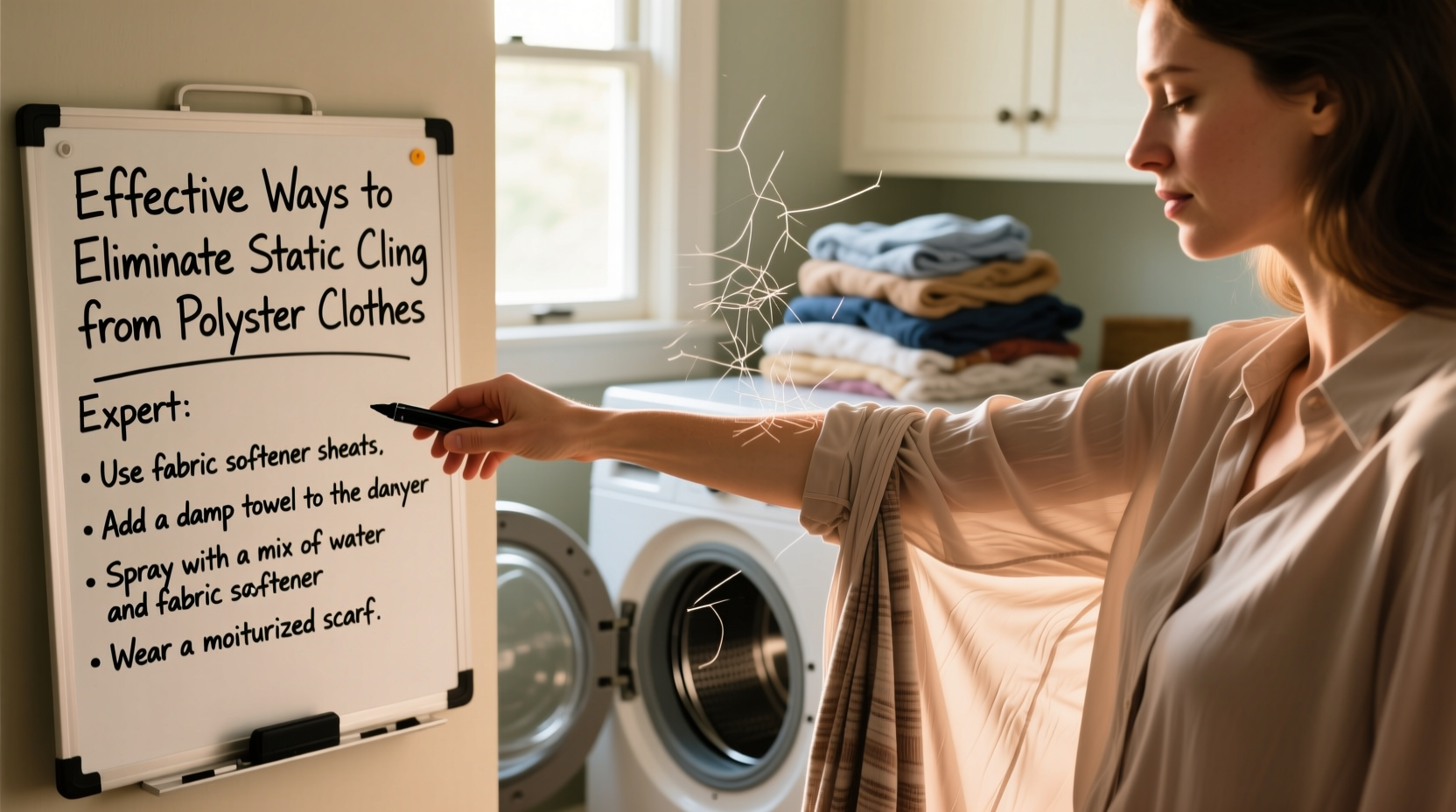
Static electricity occurs when two surfaces rub together and electrons transfer between them. Synthetic fabrics like polyester are insulators, meaning they trap electrons rather than dissipate them. When you move, your clothes rub against each other or your skin, creating a charge imbalance. In low-humidity conditions—common in winter or air-conditioned spaces—this charge has nowhere to go, resulting in clinging fabric, shocks, or even crackling sounds.
Natural fibers like cotton or wool tend to absorb small amounts of moisture from the air, which helps neutralize static. Polyester, being hydrophobic, lacks this ability. That’s why static issues are more common with polyester blends, athletic wear, and outer layers during colder months.
“Synthetic fabrics are inherently more prone to static buildup because they don’t allow for natural ion dispersion. The key is introducing moisture or conductivity into the equation.” — Dr. Lena Peterson, Textile Scientist at the Institute of Fabric Innovation
Immediate Fixes for Static Cling on Worn Clothing
If you’re already wearing a garment that’s clinging uncomfortably, you don’t need to change clothes. Several quick, accessible remedies can neutralize static instantly:
- Use a metal hanger: Gently slide a metal coat hanger between your body and the fabric. Metal conducts electricity and discharges built-up static.
- Moisturize your skin: Dry skin exacerbates static. Apply lotion before dressing, especially on legs under skirts or dresses.
- Hair conditioner spray: Mix a few drops of hair conditioner with water in a spray bottle. Lightly mist the inside of the garment (not directly on skin) to add moisture and reduce friction.
- Carry a safety pin: Attach a small safety pin to an inside seam. The metal subtly discharges static as you move.
- Wear cotton underlayers: Layering with natural fibers creates a buffer between your skin and the polyester, reducing charge buildup.
Laundry-Based Solutions to Prevent Static Buildup
The best defense against static cling starts in the laundry room. How you wash and dry polyester makes a significant difference in how much static accumulates afterward.
Step-by-Step Guide: Anti-Static Laundry Routine
- Avoid over-drying: Remove polyester clothes from the dryer while slightly damp. Over-drying removes all residual moisture, increasing static potential.
- Use white vinegar in the rinse cycle: Add ½ cup of distilled white vinegar to the fabric softener dispenser. Vinegar naturally softens fibers and reduces static without leaving residue.
- Add wool dryer balls: Toss 2–3 wool dryer balls into the dryer. They separate clothes, improve airflow, and reduce drying time, all of which minimize static. For extra effect, add a few drops of essential oil to the balls for fragrance.
- Limit dryer sheets: While convenient, many commercial dryer sheets contain chemicals that coat fibers and may worsen static over time. Use sparingly or opt for reusable silicone sheets.
- Dry similar fabrics together: Mixing heavy cottons with lightweight polyesters increases friction. Separate loads by fabric type.
| Method | Effectiveness | Cost | Eco-Friendly? |
|---|---|---|---|
| Wool dryer balls | High | $$ (one-time purchase) | Yes |
| White vinegar | High | $ | Yes |
| Commercial dryer sheets | Moderate (short-term) | $$ | No |
| Aluminum foil ball | Moderate | $ (DIY) | Somewhat |
Long-Term Prevention Strategies
Beyond immediate fixes and laundry hacks, adopting consistent habits can drastically reduce static issues with polyester clothing:
- Humidify your environment: Indoor humidity below 40% encourages static. Use a humidifier in bedrooms or living areas, especially during winter. Ideal range: 40–60%.
- Choose anti-static sprays: Commercial anti-static sprays (like Static Guard) are effective but temporary. For a DIY version, mix 1 part fabric softener with 10 parts water in a spray bottle and apply lightly to garments before wearing.
- Invest in anti-static laundry additives: Products like liquid fabric treatments with silicone-based agents can be added to the wash to reduce static long-term.
- Rotate wardrobe seasonally: Limit polyester wear during dry months. Opt for natural blends in winter unless performance fabric is necessary.
Real-World Example: Office Worker’s Static Solution
Sarah, a marketing professional in Chicago, struggled daily with her polyester-blend work pants clinging to her legs, especially after walking across carpeted office floors. She tried multiple store-bought sprays with little success. After consulting a dry cleaner specializing in performance fabrics, she adopted a three-part routine: washing her workwear with vinegar, using wool dryer balls, and applying a light mist of DIY anti-static spray before leaving home. Within a week, the clinging stopped. “It’s such a small change,” she said, “but I feel more put together and less distracted by my clothes now.”
Checklist: Eliminate Static Cling in 7 Steps
Follow this actionable checklist to keep polyester garments static-free:
- ☐ Wash polyester items with ½ cup white vinegar in the rinse cycle
- ☐ Replace dryer sheets with wool dryer balls
- ☐ Remove clothes from the dryer promptly—avoid over-drying
- ☐ Use a humidifier if indoor air is dry (below 40% humidity)
- ☐ Apply a DIY anti-static spray before wearing (1 part softener + 10 parts water)
- ☐ Wear cotton undergarments beneath polyester layers
- ☐ Carry a metal hanger or safety pin for emergency discharge
Frequently Asked Questions
Can I use baking soda instead of vinegar to reduce static?
Baking soda is excellent for odor control and cleaning, but it does not reduce static as effectively as vinegar. Vinegar’s acidity helps break down residues that contribute to static buildup, making it a better choice for this purpose.
Are there permanent anti-static treatments for polyester?
Yes, some industrial treatments apply conductive polymers or carbon-based coatings to fabrics, but these are typically used in manufacturing. For consumers, consistent use of moisture-enhancing methods (like vinegar and humidifiers) offers the closest thing to long-term protection.
Why do my polyester clothes spark in the dark?
Sparks occur when accumulated static electricity discharges suddenly—often when removing clothing or touching metal. This is harmless but indicates high static levels. Reducing drying time and increasing ambient humidity can prevent this phenomenon.
Final Thoughts and Action Plan
Static cling in polyester clothing is a common but solvable problem. By understanding the science behind static buildup and implementing simple, sustainable strategies—from adjusting laundry routines to modifying your environment—you can enjoy the benefits of polyester without the annoyance. The most effective approach combines prevention (humidity control, proper drying) with smart interventions (natural softeners, conductive tools).
Start today: pull out a frequently clinging garment, try the vinegar wash and wool dryer ball method, and notice the difference. Small changes lead to lasting comfort. Share your own successful tips in the comments—your experience could help others finally say goodbye to static once and for all.




 浙公网安备
33010002000092号
浙公网安备
33010002000092号 浙B2-20120091-4
Comments
No comments yet. Why don't you start the discussion?