
Hornets are among the most aggressive stinging insects, and their nests—often hidden in eaves, trees, or wall cavities—can pose serious risks to homeowners. Unlike common wasps, hornets defend their colonies fiercely, and a single disturbance can trigger multiple stings. For individuals with allergies, this can lead to life-threatening reactions. Eliminating a hornets nest isn’t just about comfort; it’s a matter of safety. However, attempting removal without proper knowledge or precautions can escalate danger. The key is to act decisively but carefully, using proven techniques that prioritize personal safety while ensuring complete nest eradication.
Understanding Hornet Behavior and Nest Types
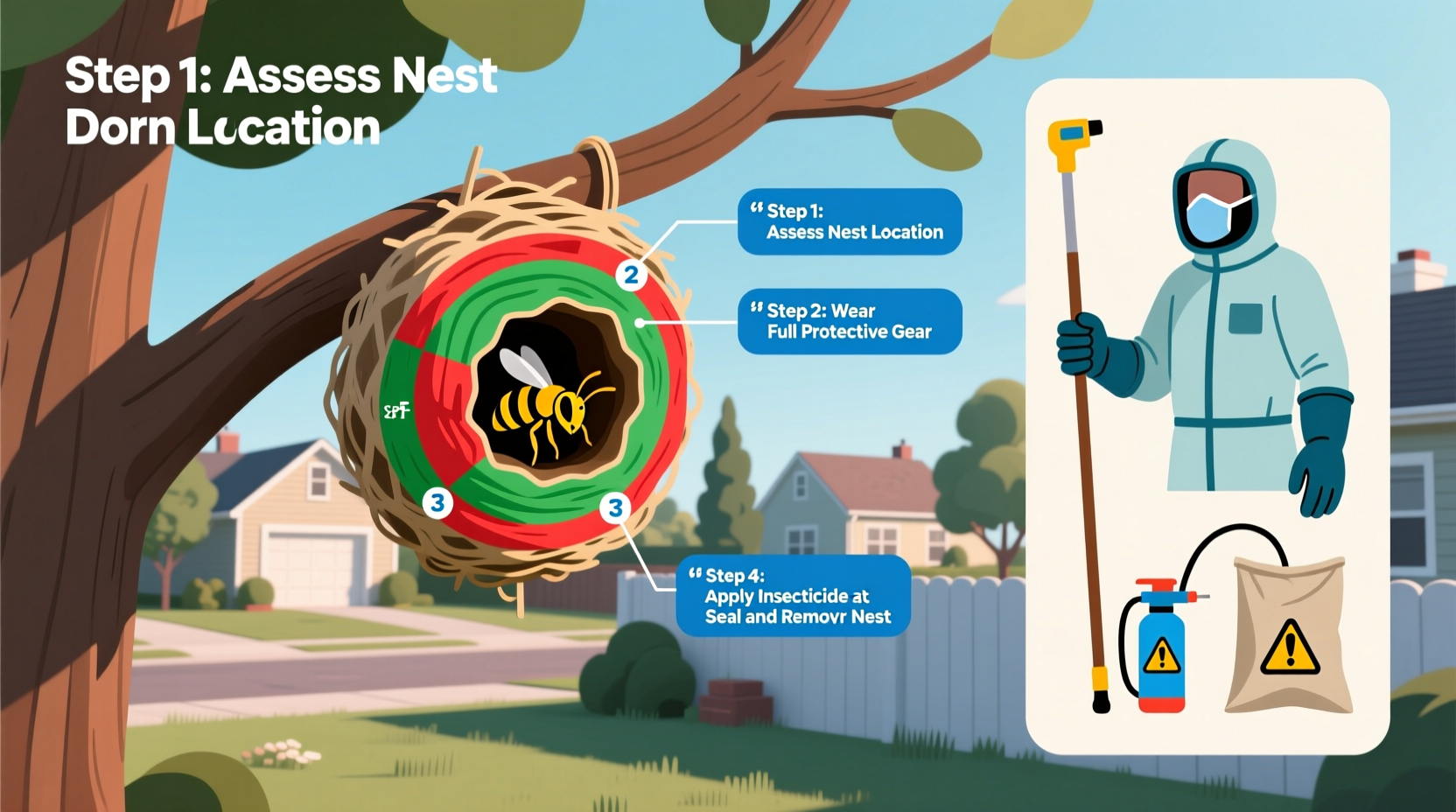
Hornets typically build papery, teardrop-shaped nests from chewed wood fibers mixed with saliva. These structures range from the size of a grapefruit to over a foot long, depending on colony maturity. Nests are commonly found in sheltered outdoor locations: under roof overhangs, inside sheds, attics, hollow trees, or even behind siding. European hornets and bald-faced hornets are the most widespread species in North America and Europe, both active from spring through fall.
Nesting behavior varies slightly between species. Bald-faced hornets prefer elevated sites like tree branches, while European hornets often nest closer to ground level or within wall voids. Knowing the type of hornet and its nesting habits helps determine the best removal strategy. For instance, nests tucked behind walls may require professional intervention due to structural complexity and risk of indoor infestation.
Safety First: Preparing for Hornet Nest Removal
Attempting hornet removal without protection is extremely dangerous. Hornets can sting repeatedly and release pheromones when threatened, signaling others to attack. To minimize risk, preparation is critical:
- Wear thick, light-colored clothing that covers all skin—long sleeves, pants tucked into socks, gloves, and a beekeeping veil or mesh face mask.
- Choose calm, cool evenings when hornets are less active and more likely to be inside the nest.
- Ensure escape routes are clear and have someone nearby in case of emergency.
- Keep an epinephrine auto-injector (EpiPen) accessible if anyone involved has known insect allergies.
Avoid using bright lights directly on the nest, as this can agitate the insects. Instead, use a red-filtered flashlight if needed—hornets see poorly in red light.
“Never underestimate the defensive instinct of hornets. Even experienced pest controllers approach nests with full protective gear and a well-thought-out plan.” — Dr. Alan Reed, Entomologist & Pest Management Specialist
Step-by-Step Guide to Safe Hornet Nest Removal
For small, accessible nests, DIY removal can be effective—if done correctly. Follow this timeline-based approach:
- Day 1 – Assess and Plan: Identify the nest location, size, and traffic patterns. Mark the area and decide whether to proceed yourself or call a professional.
- Evening (Cool, Windless Night): Wait until after dusk when hornets are least active. Gather supplies: pesticide dust or aerosol spray labeled for hornets, protective gear, red-light flashlight, and a long pole if needed.
- Apply Treatment: From a safe distance (6–8 feet), spray the nest thoroughly with a hornet-killing foam or dust. Focus on the entrance. Dust formulations like deltamethrin or cyfluthrin remain effective longer and penetrate deeper into cavity nests.
- Wait 24–48 Hours: Allow time for the pesticide to circulate through the colony. Do not disturb the nest during this period.
- Remove the Nest: Return at night wearing full protection. Carefully knock down the nest using a long tool and place it in a sealed plastic bag. Burn or dispose of it in a covered outdoor trash bin.
- Inspect and Monitor: Check the area daily for returning hornets. Residual pheromones can attract new queens in following seasons, so clean the site with soapy water to remove scent markers.
When Not to Attempt DIY Removal
Certain situations demand professional help. Avoid self-removal if:
- The nest is indoors, in wall voids, or near ventilation systems.
- It's larger than a soccer ball or has been established for more than a few weeks.
- You or household members have allergies to insect stings.
- Multiple nests are present across the property.
Alternative Methods and Natural Options
Some homeowners prefer non-chemical approaches, though these are generally less reliable and not recommended for large or aggressive colonies. Options include:
- Soapy Water Spray: A mixture of dish soap and water can suffocate hornets on contact. Effective only for direct spraying of individual insects, not entire nests.
- Traps: Commercial or homemade traps baited with meat or sugar can reduce local populations but won’t eliminate an established nest.
- Peppermint Oil: Strong scents may deter hornets temporarily. Soak cotton balls in peppermint oil and place near potential nesting sites as a preventive measure.
While natural remedies appeal to eco-conscious users, they lack the potency required for full colony elimination. They work best as supplementary deterrents after professional nest removal.
Do’s and Don’ts of Hornet Nest Management
| Do’s | Don’ts |
|---|---|
| Treat nests at night when hornets are inactive | Approach nests during daylight hours |
| Wear full protective clothing including face coverage | Wear loose clothing or open-toed shoes |
| Use EPA-approved pesticides designed for hornets | Use gasoline, lighter fluid, or other flammable substances |
| Wait 24–48 hours before removing the nest | Disturb the nest immediately after spraying |
| Contact a licensed exterminator for indoor or large nests | Ignore signs of recurring activity post-removal |
Real Example: A Homeowner’s Close Call
In suburban Ohio, a homeowner noticed a growing nest under his porch roof. Believing it was a small wasp cluster, he attempted removal at noon using a store-bought spray. Within seconds, dozens of hornets swarmed him. He sustained over ten stings before retreating indoors. Emergency services were called, and he received antihistamines and steroids due to swelling and breathing difficulty. A pest control specialist later removed the basketball-sized nest, noting it had been active for over two months. This case underscores the importance of correct identification, timing, and protective measures—even seemingly minor nests can harbor large, aggressive colonies.
Frequently Asked Questions
Can I remove a hornets nest during the day?
No. Hornets are highly active and defensive during daylight. Removal should only be attempted at night when temperatures are cooler and most workers are inside the nest.
What happens if I don’t remove the entire nest?
Even dead nests emit pheromones that can attract future queens looking to establish new colonies in the same location. Complete physical removal and cleaning of the site reduces reinfestation risk.
How much does professional hornet nest removal cost?
Costs vary by region and complexity. Simple exterior nests range from $100 to $300. Wall void or attic infestations may cost $300–$600 due to inspection, drilling, and sealing requirements.
Final Checklist Before Taking Action
- Confirm it’s a hornet nest (paper-like, aerial, aggressive defenders)
- Assess size and location (accessible vs. structural)
- Gather proper protective gear and EPA-approved treatment
- Plan removal for a cool, windless evening
- Have an exit strategy and emergency contact ready
- If uncertain, schedule a professional inspection
Stay Safe and Take Control
Dealing with a hornets nest requires respect for the insect’s power and awareness of your own limitations. While some small, early-stage nests can be managed safely at home, many situations demand expert handling. Prioritize prevention by sealing entry points, trimming vegetation near structures, and eliminating food sources like fallen fruit or uncovered trash. With the right knowledge and caution, you can reclaim your outdoor space—safely and permanently.




 浙公网安备
33010002000092号
浙公网安备
33010002000092号 浙B2-20120091-4
Comments
No comments yet. Why don't you start the discussion?