
Sunburn isn't just painful—it’s a clear sign that your skin has sustained UV damage. Whether from a long day at the beach or hours spent gardening under the summer sun, sunburn can leave your skin red, tender, and peeling within hours. While time is the ultimate healer, there are proven methods to accelerate recovery, reduce discomfort, and prevent complications like infection or long-term skin damage. This guide delivers practical, science-backed strategies to soothe sunburned skin quickly and safely.
Understanding Sunburn: What Happens to Your Skin?
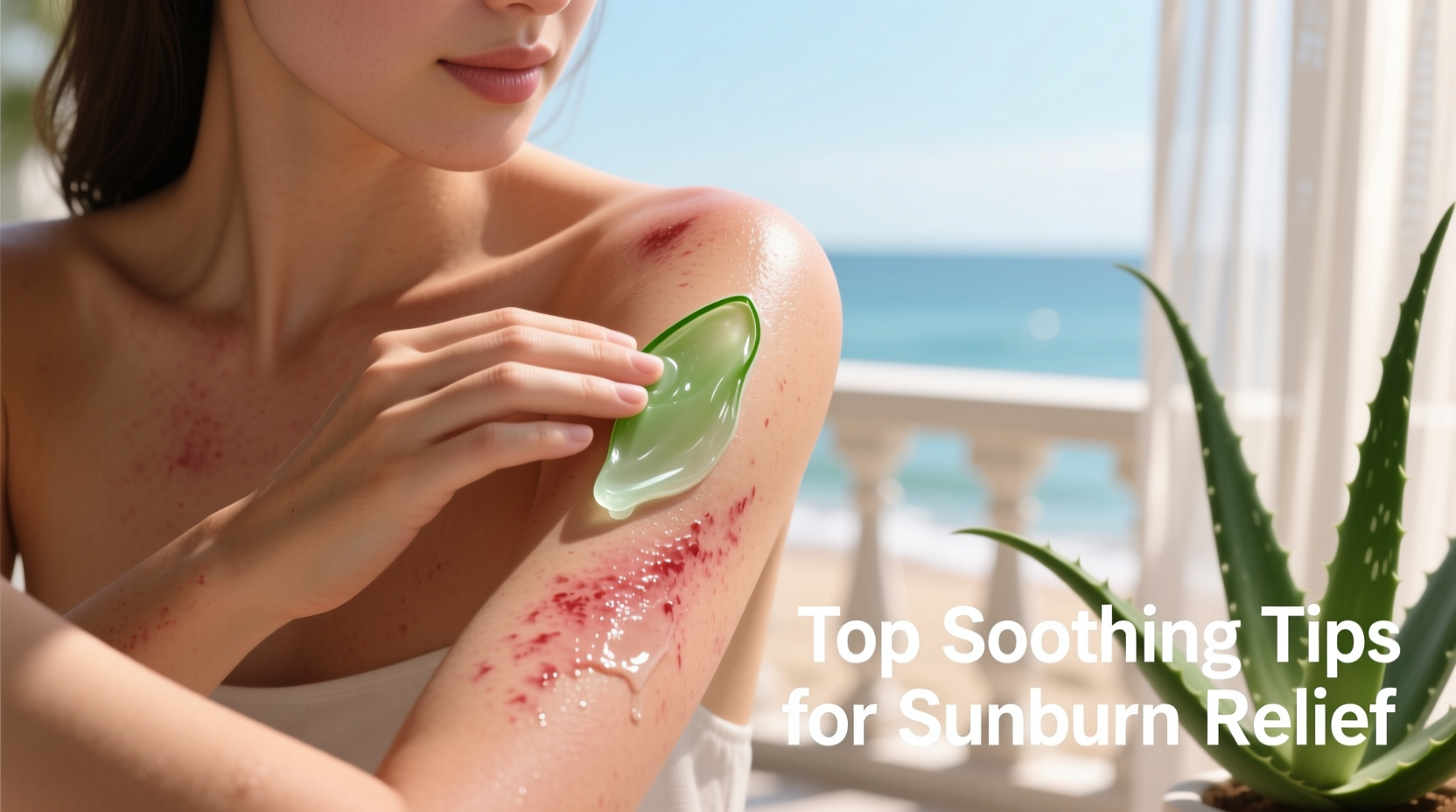
When ultraviolet (UV) rays penetrate the outer layer of your skin, they damage the DNA in skin cells. In response, your body increases blood flow to the affected area—causing redness and warmth—and triggers inflammation, leading to pain and swelling. Severe burns may result in blistering, which indicates second-degree damage. Peeling occurs days later as your body sheds damaged cells.
The severity of sunburn depends on skin type, duration of exposure, and UV intensity. Fair-skinned individuals burn more easily, but anyone—regardless of complexion—can suffer sun damage. Immediate care reduces inflammation and supports cellular repair, minimizing both short-term discomfort and long-term risks like premature aging or skin cancer.
“Sunburn is not just a temporary inconvenience. It’s a radiation injury that accelerates skin aging and increases melanoma risk.” — Dr. Nina Rodriguez, Dermatologist, American Academy of Dermatology
Immediate Relief: First 24 Hours After Sun Exposure
The first day after sunburn is critical. Cooling the skin, reducing inflammation, and preventing dehydration are essential steps to limit damage and promote healing.
Cool the Skin Gently
Avoid ice directly on burned skin, which can cause further tissue damage. Instead, use cool (not cold) compresses or take a lukewarm bath. Add colloidal oatmeal or baking soda to the water to calm irritation. Pat skin dry—never rub.
Hydrate Internally and Externally
Sunburn draws fluids to the skin’s surface, increasing the risk of dehydration. Drink extra water throughout the day. For topical hydration, apply a fragrance-free aloe vera gel or moisturizer containing hyaluronic acid while skin is still damp to lock in moisture.
Use Over-the-Counter Anti-Inflammatories
Nonsteroidal anti-inflammatory drugs (NSAIDs) like ibuprofen or naproxen help reduce pain, swelling, and underlying cellular damage when taken early. Apply topical creams with 1% hydrocortisone sparingly to inflamed areas, but only for short durations unless directed by a doctor.
Top Soothing Remedies Backed by Science
Not all home remedies are equal. Some offer real relief; others may irritate sensitive skin. Below are treatments supported by dermatological research and clinical practice.
| Remedy | Effectiveness | Notes |
|---|---|---|
| Pure Aloe Vera Gel | High | Has cooling, anti-inflammatory, and wound-healing properties. Use pure gel, not colored or scented versions. |
| Colloidal Oatmeal | High | Restores skin barrier, relieves itching. Ideal for baths or creams. |
| Cucumber Extract | Moderate | Natural cooling effect; contains antioxidants. Best used in masks or gels. |
| Vinegar (Apple Cider) | Low / Risky | May disrupt pH balance or sting open skin. Not recommended by dermatologists. |
| Tea Bags (Black or Green) | Moderate | Tannins may reduce inflammation. Cool brewed tea can be used as a compress. |
Step-by-Step Recovery Timeline (Days 1–7)
Healing follows a predictable pattern. Knowing what to expect helps you manage symptoms effectively.
- Day 1: Cool skin, hydrate, take NSAIDs. Avoid further sun exposure.
- Day 2–3: Continue moisturizing. Watch for blisters—do not pop them. Cover lightly if needed.
- Day 4–5: Redness begins to fade. Skin may start peeling. Keep moisturizing daily.
- Day 6–7: Most symptoms resolve. Resume gentle skincare. Introduce sunscreen gradually once healed.
If blisters cover more than 20% of your body, fever develops, or you feel dizzy/nauseous, seek medical attention immediately. These signs suggest severe sun poisoning.
Real Example: Recovering from a Beach Burn
Marissa, a 32-year-old hiker, spent eight hours kayaking without reapplying sunscreen. By evening, her shoulders, neck, and arms were bright red and painful to touch. She took immediate action: she soaked in a colloidal oatmeal bath, applied aloe vera gel every two hours, and drank electrolyte-enhanced water. She took ibuprofen as directed and stayed indoors for two days. By day four, redness had significantly faded, and peeling began. Within a week, her skin was nearly back to normal—with no blistering or scarring.
Her key insight? “I underestimated how fast I could burn on the water. Now I set phone reminders to reapply sunscreen every 80 minutes when outdoors.”
Do’s and Don’ts of Sunburn Care
| Do | Don’t |
|---|---|
| Apply aloe vera or fragrance-free moisturizers | Use perfumed lotions or alcohol-based products |
| Stay hydrated with water and electrolytes | Drink alcohol—it dehydrates and slows healing |
| Wear loose, soft clothing (e.g., cotton) | Wear tight or synthetic fabrics that irritate skin |
| Protect healing skin with UPF clothing when outside | Expose burned skin to direct sunlight |
| Let blisters heal naturally | Pick or pop blisters—this increases infection risk |
Prevention: How to Avoid Future Sunburns
The best way to treat sunburn is to never get one. Prevention is simple but requires consistency.
- Apply broad-spectrum SPF 30+ sunscreen 15 minutes before going outside.
- Reapply every two hours—or immediately after swimming or sweating.
- Seek shade during peak UV hours (10 a.m. to 4 p.m.).
- Wear wide-brimmed hats, UV-blocking sunglasses, and tightly woven clothing.
- Check medications: some (like antibiotics or acne treatments) increase photosensitivity.
“Most people apply only 25–50% of the recommended amount of sunscreen. Use about one ounce—a shot glass full—for full-body coverage.” — Dr. Alan Torres, Sun Safety Researcher, CDC
Frequently Asked Questions
Can sunburn turn into a tan?
Some people believe a sunburn eventually “turns into” a tan. While it’s true that the skin may darken during healing, this pigmentation is still a sign of DNA damage. A safer alternative is using self-tanners or spray tans, which provide color without UV exposure.
How long does sunburn last?
Mild sunburn typically lasts 3–5 days. Moderate burns with peeling may take 7–10 days. Severe burns with blistering can take two weeks or more to fully heal, especially if infection occurs.
Is it safe to exfoliate after sunburn?
No. Wait until all peeling has stopped and new skin has formed—usually 7–10 days post-burn. Premature exfoliation can damage delicate new skin and lead to scarring.
Final Thoughts: Heal Faster, Protect Better
Getting rid of sunburn fast isn’t about quick fixes—it’s about smart, consistent care that supports your skin’s natural healing process. Cooling the skin, staying hydrated, and using evidence-based remedies like aloe vera and NSAIDs can dramatically improve comfort and recovery time. More importantly, treating sunburn seriously reinforces the need for better sun protection moving forward.




 浙公网安备
33010002000092号
浙公网安备
33010002000092号 浙B2-20120091-4
Comments
No comments yet. Why don't you start the discussion?