
Finding the rightful owner of a lost or unattended mobile phone is both a moral responsibility and a practical challenge. Whether you've picked up a device at a café, found it on public transit, or are investigating an unknown number, identifying its owner requires careful, ethical, and often technical steps. While privacy laws limit access to personal data, several legitimate methods can help trace ownership without overstepping legal boundaries.
This guide outlines proven strategies, tools, and precautions to help you responsibly identify a mobile phone’s owner—whether for recovery, safety, or verification purposes.
Why Identifying a Phone’s Owner Matters
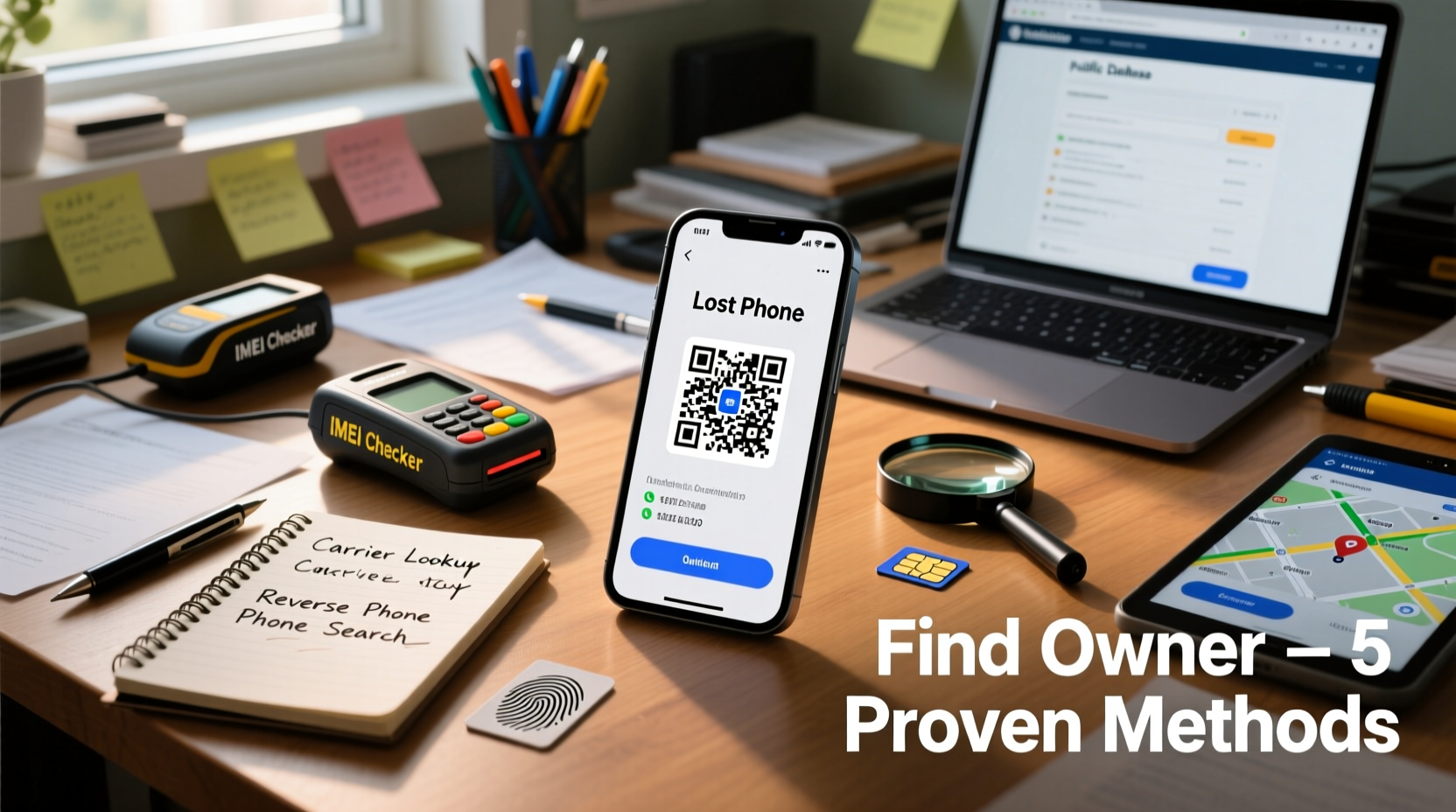
A lost phone isn’t just a piece of hardware—it holds personal information, financial data, and emotional value. Returning it to its owner prevents identity theft, restores peace of mind, and supports community trust. On the flip side, attempting to access a locked device improperly can lead to legal consequences.
Responsible identification means balancing urgency with legality. Never attempt to bypass security features like PINs, passwords, or biometric locks. Instead, use non-invasive techniques that respect digital rights while aiding resolution.
Step-by-Step Guide to Identifying a Mobile Phone Owner
Follow this structured approach when trying to locate the owner of a found mobile device:
- Assess the Situation Safely: If you find a phone in a public place, ensure your own safety first. Don’t confront strangers aggressively or assume malicious intent.
- Check for Emergency or Lock Screen Info: Many users set their lock screens to display contact details like “If found, call Mom” or an email address. Swipe or tap gently to view this info without unlocking the device.
- Use Built-in Find My Features:
- iOS: Look for signs of Apple’s “Find My” activation (e.g., Activation Lock). Even if locked, powering the device near Wi-Fi may trigger location sharing.
- Android: Devices with Google accounts often show “Managed by your organization” or have Find My Device enabled.
- Call the Phone from Another Device: Dial the number if visible. If not, ask someone nearby to call it or use a voice assistant to initiate a call.
- Contact Local Authorities or Venue Staff: Hand over the phone to lost-and-found departments at airports, malls, or transit centers. They often have systems to match devices with reported losses.
- Wait for the Owner to Call Back: Leave the phone powered on in a secure location. Most owners will try calling their number once they realize it’s missing.
Legal Tools and Services to Help Identify Ownership
While direct access to carrier records is restricted, certain services and tools offer indirect but lawful pathways to identification:
- Reverse Phone Lookup Services: Websites like Truecaller, Spokeo, or Whitepages allow you to enter a number and potentially retrieve associated names or locations. Accuracy varies based on public data availability.
- Carrier Assistance (Limited): Mobile carriers won’t disclose customer information due to privacy policies. However, if you’re the actual owner proving identity, they can assist. As a finder, your best bet is urging the owner to contact their provider.
- IMEI-Based Tracking: Every phone has a unique IMEI (International Mobile Equipment Identity). You can find it by removing the battery (on older models), checking under Settings > About Phone, or dialing *#06#. Report the IMEI to local law enforcement if theft is suspected—they can flag it in national databases.
“IMEI tracking is one of the most reliable tools law enforcement uses to recover stolen phones—even when SIM cards are changed.” — Detective Laura Simmons, Cybercrime Unit, Seattle PD
Do’s and Don’ts When Handling a Found Phone
| Action | Do | Don't |
|---|---|---|
| Accessing Data | View only lock screen contact info | Try to unlock or browse personal files |
| Reporting Theft | Provide IMEI to police | Attempt DIY tracking apps |
| Contacting Owner | Leave a voicemail or text via another phone | Send messages from the found device |
| Device Handling | Keep it charged and powered on | Factory reset or sell it |
Real Example: How a Café Worker Returned a Lost iPhone
In Portland, Oregon, a barista named Marcus found an iPhone left behind on a counter. The screen was locked, but he noticed a wallpaper photo labeled “Sarah & Dad – Lake Tahoe 2023.” He gently tapped the screen and saw a message: “If found, please call Emma at 503-XXX-XXXX.”
Marcus called the number, spoke to Emma (Sarah’s sister), and arranged pickup at the café. Sarah later shared that the phone contained irreplaceable photos of her late father. She filed no police report because she assumed it was gone forever—yet simple lock screen info made all the difference.
This case highlights how user habits—like adding emergency contacts or personalized messages—can dramatically increase recovery odds.
When to Involve Law Enforcement
Not every found phone warrants police involvement, but certain red flags should prompt action:
- The device shows signs of forced entry or tampering.
- You receive threatening calls or messages after finding it.
- The phone is reported stolen via online forums or local alerts.
- You suspect it’s linked to criminal activity (e.g., burner phones used in scams).
In such cases, provide the phone and IMEI number to authorities. They can cross-reference it with national crime databases like the FCC’s Equipment Identity Register (EIR) or the UK’s CheckMEND system.
FAQ
Can I use an app to find out who owns a phone I found?
No legitimate app allows you to identify a stranger’s phone ownership without their consent. Apps like Find My iPhone or Google Find My Device only work for the account holder. Third-party tracking apps require prior installation and permissions.
What should I do if no one claims the phone after a week?
Continue charging it and keeping it accessible. After two weeks with no contact, consider turning it over to local police as unclaimed property. Most jurisdictions require holding periods before disposal or auction.
Is it legal to keep a found phone if I can’t identify the owner?
No. In most countries, failing to make reasonable efforts to return lost property can be considered theft by omission. Always document your attempts—calls made, places contacted, dates—to protect yourself legally.
Final Checklist: What to Do When You Find a Mobile Phone
- Check the lock screen for emergency contact info.
- Note the model, color, and IMEI number (*#06#).
- Call the number from another phone or leave a voicemail.
- Contact venue management or transportation lost-and-found.
- Report to local police if theft is suspected.
- Wait at least 48 hours before assuming it's abandoned.
- Never attempt to unlock, factory reset, or use the device.
Conclusion
Identifying the owner of a mobile phone doesn’t require advanced hacking skills or invasive tools—just patience, ethics, and a methodical approach. By leveraging lock screen information, reverse lookup services, and cooperation with authorities, you can play a crucial role in reuniting someone with their most personal device.
Technology evolves fast, but human decency remains timeless. The next time you come across a forgotten phone, remember: a small act of integrity can restore someone’s entire digital life.




 浙公网安备
33010002000092号
浙公网安备
33010002000092号 浙B2-20120091-4
Comments
No comments yet. Why don't you start the discussion?