
Learning to ride a motorcycle is more than just mastering balance and throttle control—it’s about building confidence, understanding road dynamics, and developing safe habits from day one. For beginners, the process can feel overwhelming, especially when navigating where and how to begin. The good news? With structured training, local resources, and consistent practice, anyone can become a capable rider. This guide walks through practical steps, trusted programs, and expert-backed strategies to help you learn motorcycle riding effectively in your area.
Start with a Recognized Motorcycle Training Program
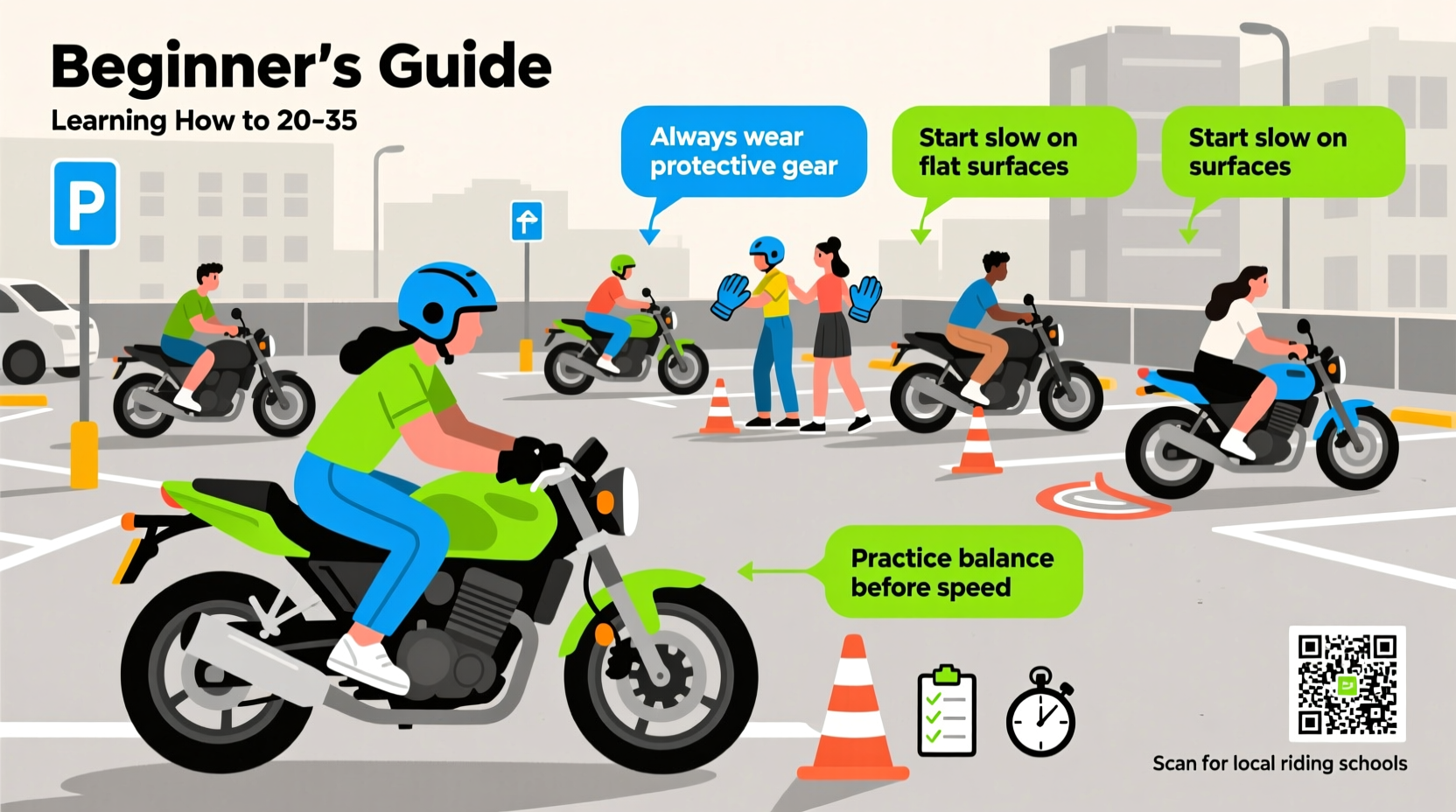
The most reliable way to begin riding is through an accredited motorcycle safety course. These programs are designed specifically for beginners and combine classroom instruction with hands-on riding practice. In the U.S., the Rider Education and Training System (RETS), often administered by state departments of motor vehicles or organizations like the Motorcycle Safety Foundation (MSF), offers standardized curriculum used nationwide.
These courses typically last 15–20 hours over a weekend or several weeknights. You’ll learn essential skills such as:
- Basic bike controls and operation
- Braking and swerving techniques
- Traffic awareness and hazard recognition
- Low-speed maneuvering and emergency handling
“New riders who complete formal training reduce their risk of crashes by up to 40% compared to those who self-train.” — National Highway Traffic Safety Administration (NHTSA)
Locate Training Schools Near You
Finding quality instruction starts with identifying reputable providers in your region. Here’s how to locate them efficiently:
- Search online using terms like “beginner motorcycle class near me” or visit the MSF website (msf-usa.org) to find certified locations.
- Contact your DMV—most state motor vehicle departments list approved training centers on their websites.
- Visit local dealerships—many Harley-Davidson, Honda, or Yamaha shops host or partner with training academies.
- Check community colleges—some institutions offer affordable riding courses through continuing education programs.
In urban areas, group classes fill quickly, so register early. Rural riders may need to travel to regional hubs but often benefit from less congested practice environments.
Step-by-Step Learning Timeline for Beginners
Follow this realistic 6-week progression to build competence and prepare for independent riding:
| Week | Milestones | Practice Focus |
|---|---|---|
| 1 | Enroll in a basic rider course; study traffic rules | Understanding gear functions, starting/stopping smoothly |
| 2 | Complete classroom module and first range session | Clutch-throttle coordination, figure-eights, U-turns |
| 3 | Master braking and swerving drills | Threshold braking, obstacle avoidance |
| 4 | Pass riding evaluation; apply for learner’s permit | On-road observation rides with instructor |
| 5 | Begin supervised street riding (low traffic zones) | Lane positioning, signaling, scanning intersections |
| 6 | Obtain full license; plan first solo routes | Confidence-building commutes under daylight conditions |
This timeline assumes consistent attendance and daily mental rehearsal—even visualizing maneuvers improves muscle memory.
Essential Gear and Pre-Ride Checklist
Before mounting a bike, ensure you’re equipped properly. Safety gear isn’t optional—it’s foundational. Use this checklist every time:
- Helmets:
- DOT- or ECE-certified; snug fit without pressure points.
- Jackets & Pants:
- Made from abrasion-resistant materials like leather or reinforced textile; include armor at joints.
- Gloves:
- Finger protection with grip-enhancing palms; avoid thin fashion gloves.
- Boots:
- Ankle coverage, oil-resistant soles; no sneakers or sandals.
- Eye Protection:
- If not wearing a full-face helmet, use shatterproof goggles or glasses.
Real Example: How Sarah Learned to Ride in Austin, TX
Sarah, a 29-year-old graphic designer, had always been curious about motorcycles but feared losing control. She searched “motorcycle classes Austin” and found a Women Only Basic Rider Course offered through the Texas Department of Public Safety. Over two weekends, she learned on small-displacement bikes provided by the school.
Her biggest breakthrough came during the emergency stop drill. Initially unable to apply both brakes without panicking, she practiced repeatedly under instructor guidance. By the end, she executed a controlled stop from 25 mph in under 40 feet. After passing her skills test, she purchased a Honda CB300R and began commuting short distances. Six months later, she completed her first weekend trip to Hill Country—confident, alert, and fully aware of her limits.
Sarah’s experience underscores that success isn’t about natural talent—it’s about structured learning and incremental progress.
Common Mistakes New Riders Make (and How to Avoid Them)
Awareness of typical pitfalls helps prevent frustration and injury. Below are frequent errors and corrective actions:
| Mistake | Consequence | Solution |
|---|---|---|
| Looking down at the front wheel | Poor steering control and delayed reaction | Train your eyes to scan 10–15 seconds ahead |
| Over-clutching in corners | Loss of traction or stalling | Smooth throttle application; keep body relaxed |
| Skipping pre-ride inspection | Flat tires, brake failure, chain issues | Use T-CLOCS check: Tires, Controls, Lights, Oil, Chassis, Stands |
| Riding beyond skill level | Increased crash risk on curves or highways | Stick to streets below 35 mph until licensed and experienced |
“The best riders aren’t the fastest—they’re the ones who respect the machine and the road.” — Carlos Mendez, Motorcycle Instructor with 18 Years Experience
FAQ: Common Questions from First-Time Riders
Do I need my own motorcycle to take a beginner class?
No. Most entry-level courses provide training motorcycles—typically lightweight models ideal for new riders. You only need personal protective gear.
How much does a motorcycle class cost?
Prices vary by location but generally range from $250 to $450. Some states subsidize fees for residents. Check with your local DMV for discounts or voucher programs.
Can I learn to ride without taking a formal course?
You can, but it’s strongly discouraged. Self-taught riders lack structured feedback and are statistically more likely to be involved in accidents. Formal training builds safer instincts and qualifies you for insurance discounts.
Conclusion: Start Riding with Confidence
Learning to ride a motorcycle near you doesn’t require innate talent—just commitment, the right instruction, and a willingness to grow. Whether you enroll in a state-certified course, practice diligently in low-risk environments, or invest in proper gear from day one, each step strengthens your foundation as a responsible rider. Motorcycling opens doors to freedom, adventure, and connection with a vibrant community. But mastery begins with humility and preparation.




 浙公网安备
33010002000092号
浙公网安备
33010002000092号 浙B2-20120091-4
Comments
No comments yet. Why don't you start the discussion?