
The nose is often the most visible area when it comes to enlarged pores. Due to a higher concentration of sebaceous (oil) glands, the T-zone—especially the nose—tends to produce more oil, collect debris, and appear with visibly open pores. While pores cannot be permanently closed (they don’t have muscles to do so), their appearance can be significantly minimized through consistent, non-comedogenic care. The key is to reduce excess sebum, remove buildup, and maintain skin elasticity—all without triggering irritation or blockages that worsen the issue.
This guide explores practical, dermatologist-supported strategies to refine the look of pores on your nose while keeping them clear and healthy. From ingredient selection to lifestyle adjustments, each method prioritizes long-term skin balance over quick fixes.
Understanding Pore Behavior on the Nose
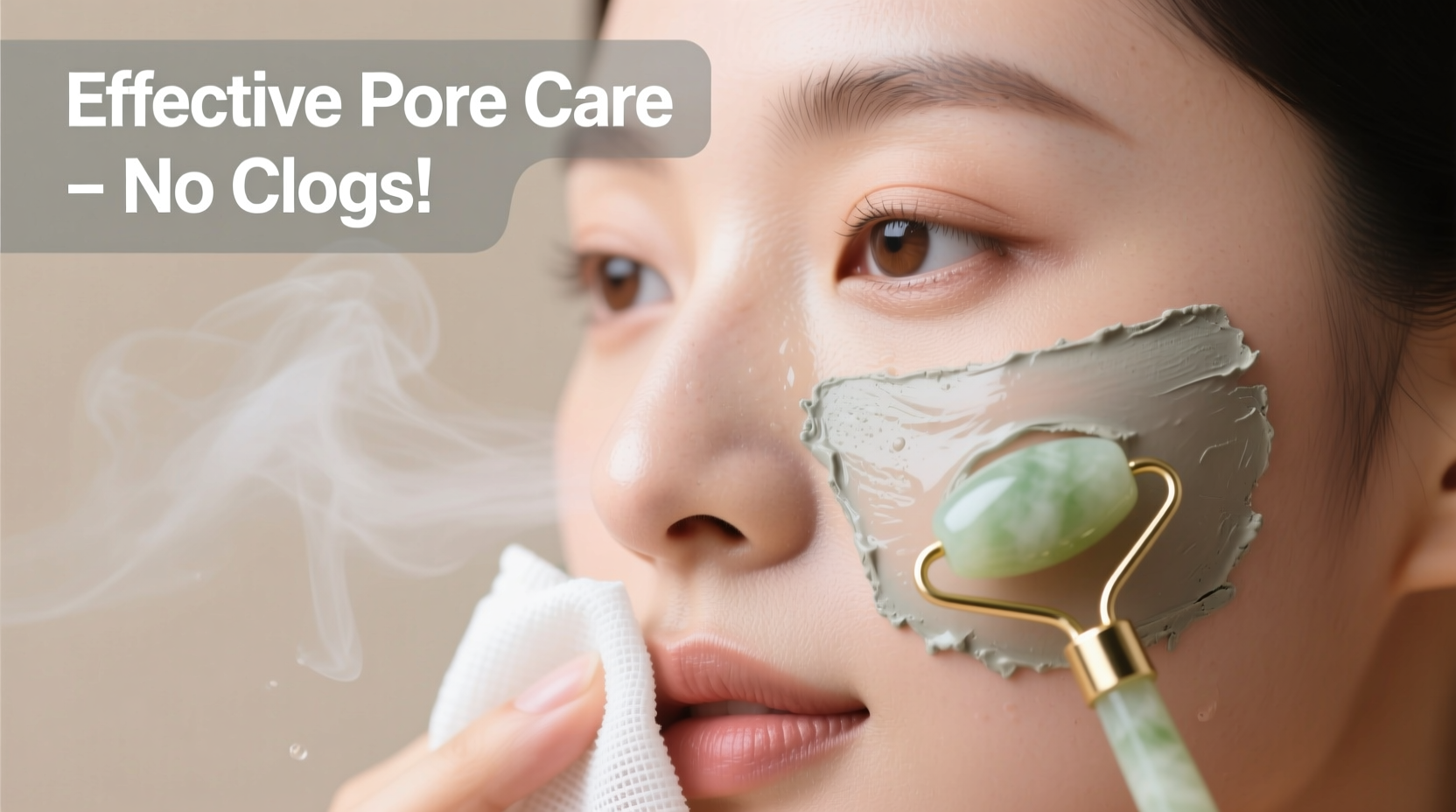
Pores are tiny openings in the skin that release oil (sebum) and sweat. On the nose, they’re naturally larger due to increased sebum production. When excess oil, dead skin cells, and environmental pollutants accumulate, pores stretch and become more noticeable. Over time, sun damage and loss of collagen can further enlarge them by reducing skin firmness.
It’s important to distinguish between actual pore size and perceived pore size. Genetics determine the baseline size, but external factors like oiliness, inflammation, and texture irregularities make pores appear wider. Therefore, minimizing their visibility isn't about shrinking them physically, but about creating an environment where they stay clean, tight-looking, and supported by healthy surrounding tissue.
“Pore size is largely genetic, but how they appear is within our control. Proper cleansing, exfoliation, and protection from UV damage are foundational.” — Dr. Lena Torres, Board-Certified Dermatologist
Key Ingredients That Minimize Without Clogging
Choosing the right active ingredients is critical. Some products promise pore tightening but contain comedogenic agents that lead to breakouts or congestion. Below are proven actives that effectively refine pore appearance while being safe for acne-prone and sensitive skin.
- Niacinamide (Vitamin B3): Regulates sebum production, strengthens the skin barrier, and reduces inflammation. Studies show 2–5% concentrations improve skin texture and visibly tighten pores over 4–8 weeks.
- Salicylic Acid (BHA): A lipid-soluble exfoliant that penetrates deep into pores to dissolve oil and dead cells. Unlike physical scrubs, it clears congestion without abrasion.
- Retinoids (Adapalene, Retinol): Boost cell turnover, prevent clogged pores, and stimulate collagen. Non-prescription adapalene gel (0.1%) is FDA-approved for acne and suitable for beginners.
- Hyaluronic Acid: Provides lightweight hydration that plumps the skin around pores, making them less prominent without adding oil.
- Zinc-based Formulas: Particularly zinc PCA, helps regulate oil production and has anti-inflammatory properties.
Step-by-Step Routine to Refine Nose Pores
A targeted daily regimen ensures consistent results without overloading the skin. This timeline outlines a balanced approach using non-comedogenic products.
- Morning – Cleanse Gently
Use a water-based, sulfate-free cleanser. Avoid foaming washes that strip natural oils, as this can trigger rebound oiliness. Rinse with lukewarm water. - Tone with Witch Hazel or Niacinamide Serum
Apply a toner containing witch hazel (alcohol-free) or a 5% niacinamide serum. These help tighten the appearance of pores and prep skin for hydration. - Hydrate with Lightweight Moisturizer
Even oily skin needs moisture. Choose a gel-based moisturizer labeled “non-comedogenic” with hyaluronic acid or glycerin. - Protect with Oil-Free Sunscreen
UV exposure degrades collagen, leading to sagging skin and wider-looking pores. Use SPF 30+ with silica or dimethicone for a matte finish. - Evening – Double Cleanse if Wearing Makeup
Start with an oil-based cleanser (like squalane) to dissolve makeup, followed by a second cleanse with salicylic acid or gentle foaming wash. - Exfoliate 2–3 Times Weekly
Apply a leave-on BHA exfoliant (0.5–2% salicylic acid) only on the nose and T-zone. Limit frequency to avoid irritation. - Nightly Treatment (Alternate Nights)
Use retinol or adapalene 2–3 times per week. Start once weekly and increase gradually. Always follow with moisturizer to buffer potential dryness.
Common Mistakes That Worsen Pore Appearance
Some well-intentioned habits can backfire. Here are frequent errors and what to do instead:
| Mistake | Why It’s Harmful | Better Alternative |
|---|---|---|
| Using harsh scrubs daily | Causes micro-tears, inflammation, and compensatory oil production | Switch to chemical exfoliants like BHA 2–3x/week |
| Skipping moisturizer due to oily skin | Dry skin signals the body to produce more oil, worsening shine and congestion | Use a lightweight, oil-free hydrator daily |
| Overusing clay masks | Strips natural oils, disrupts pH, leads to rebound greasiness | Limited to 1–2x/week; follow with hydration |
| Touching the face frequently | Transfers bacteria and oil, clogging pores | Wash hands regularly and avoid resting chin on palm |
| Using comedogenic makeup or sunscreen | Ingredients like coconut oil or lanolin can block pores | Choose “non-comedogenic” or “oil-free” labeled products |
Real Example: How Sarah Reduced Her Nose Pore Visibility
Sarah, a 28-year-old graphic designer, struggled with visibly large pores on her nose despite using pore strips and charcoal masks twice a week. She noticed temporary improvement but frequent blackheads and occasional breakouts. After consulting a dermatologist, she revised her routine.
She stopped using abrasive scrubs and replaced them with a 2% salicylic acid cleanser used every other day. She introduced a 5% niacinamide serum in the morning and started using adapalene gel twice a week at night. She also switched to a mineral-based, oil-free sunscreen.
Within six weeks, Sarah observed fewer blackheads, reduced midday shine, and smoother texture. After three months, her coworkers commented that her skin looked “airbrushed.” The transformation wasn’t due to aggressive treatments, but consistency and choosing ingredients that worked *with* her skin, not against it.
“The biggest myth is that you need to ‘deep clean’ pores aggressively. In reality, gentle, regular care prevents buildup before it happens.” — Dr. Rajiv Mehta, Cosmetic Dermatologist
Checklist: Your Pore-Minimizing Action Plan
Follow this checklist weekly to stay on track:
- ✅ Cleanse twice daily with a non-stripping formula
- ✅ Apply niacinamide serum every morning
- ✅ Use BHA exfoliant 2–3 times per week
- ✅ Apply retinoid treatment 2–3 nights per week (gradually build tolerance)
- ✅ Wear oil-free sunscreen daily, even indoors
- ✅ Change pillowcases every 3–4 days
- ✅ Avoid touching your face throughout the day
- ✅ Use non-comedogenic makeup and remove it nightly
- ✅ Stay hydrated and manage stress (both impact oil production)
- ✅ Reassess product efficacy every 6–8 weeks
Frequently Asked Questions
Can pores be shrunk permanently?
No, pore size is genetically determined and cannot be changed permanently. However, their appearance can be minimized through consistent skincare that controls oil, removes debris, and supports collagen. With proper care, pores can look tighter and less noticeable over time.
Are pore strips effective for long-term improvement?
Pore strips offer immediate removal of surface blackheads but don’t address the root causes of pore enlargement. Frequent use can irritate the skin and weaken pore walls, potentially making them appear larger over time. They should be used sparingly, if at all, in favor of preventive routines.
Is it safe to use retinoids on the nose?
Yes, but with caution. The nose can be sensitive, especially if prone to redness or dryness. Start with low-concentration retinoids (like 0.1% adapalene) applied 1–2 times per week. Buffer with moisturizer and avoid combining with other actives until tolerance builds.
Conclusion: Consistency Over Quick Fixes
Minimizing the appearance of pores on the nose doesn’t require extreme measures or expensive gadgets. It relies on a thoughtful, sustainable routine built on gentle cleansing, intelligent exfoliation, and protective habits. By selecting non-comedogenic ingredients like niacinamide, salicylic acid, and retinoids—and avoiding common pitfalls—you create conditions where pores stay clear, supported, and visually refined.
Results take time. Most people notice improvements within 4–8 weeks of consistent use. The goal isn’t perfection but progress: healthier skin that feels smooth, looks balanced, and resists congestion. Start today by evaluating your current products and replacing just one harsh item with a smarter alternative. Small changes, repeated consistently, yield lasting transformation.




 浙公网安备
33010002000092号
浙公网安备
33010002000092号 浙B2-20120091-4
Comments
No comments yet. Why don't you start the discussion?