
Testis pain can range from a mild, temporary discomfort to a severe, debilitating condition that demands immediate attention. While occasional discomfort may result from minor strain or irritation, persistent or intense pain should never be ignored. Understanding the causes, knowing how to manage symptoms at home, and recognizing warning signs are essential for maintaining reproductive and overall health. This guide provides actionable advice, expert insights, and clear guidelines on when to consult a healthcare provider.
Understanding Common Causes of Testicular Pain
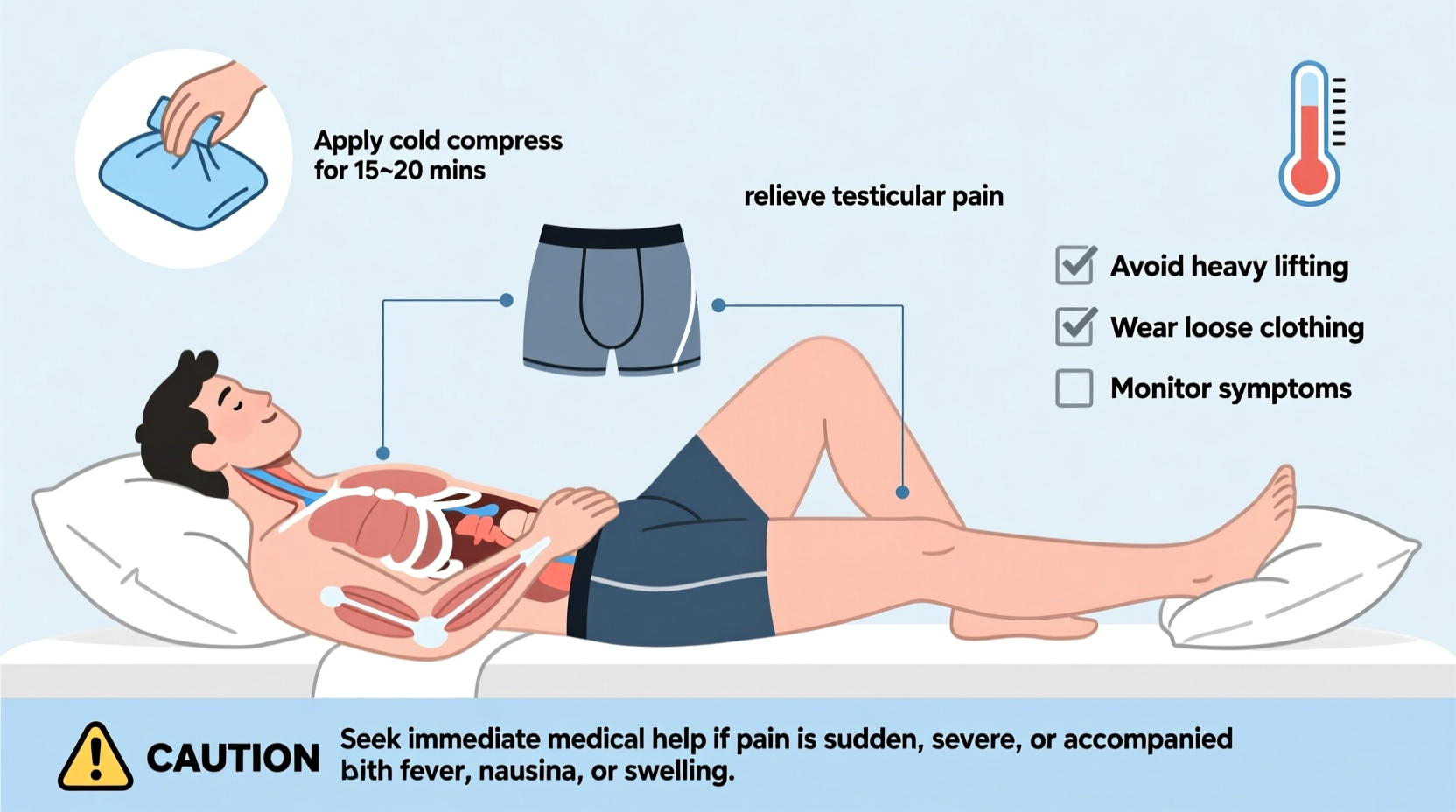
Pain in the testicles isn’t always due to an issue within the testes themselves. It can stem from conditions affecting the surrounding structures, such as the epididymis, spermatic cord, or scrotum. Some common causes include:
- Epididymitis: Inflammation of the epididymis, often caused by infection, including sexually transmitted infections (STIs) like chlamydia or gonorrhea.
- Orchitis: Infection of the testicle, frequently occurring alongside mumps or bacterial infections.
- Torsion: A medical emergency where the spermatic cord twists, cutting off blood supply to the testicle.
- Varicocele: Enlarged veins in the scrotum, similar to varicose veins, which can cause a dull, dragging sensation.
- Trauma: Direct injury during sports, accidents, or physical activity.
- Referred pain: Pain originating from the lower abdomen, groin, or kidneys that radiates to the scrotum.
Because symptoms can overlap across conditions, accurate diagnosis is crucial. Self-diagnosis carries risks, especially when time-sensitive emergencies like torsion are involved.
Practical Home Remedies and Immediate Relief Strategies
For mild, non-emergency discomfort, several conservative measures can provide relief and support healing. These approaches are most effective when pain is due to minor strain, inflammation, or prolonged pressure.
Rest and Elevation
Avoid strenuous activity and allow the area to rest. Lying down with the scrotum slightly elevated using a towel or soft cloth can reduce swelling and improve circulation.
Cold Compress Application
Applying a cold pack wrapped in a thin cloth for 15–20 minutes every few hours during the first day can reduce inflammation and numb sharp pain. Never apply ice directly to the skin.
Supportive Underwear
Wearing snug, supportive underwear or an athletic cup during physical activity helps stabilize the area and minimize movement-related discomfort.
Over-the-Counter Pain Relief
Nonsteroidal anti-inflammatory drugs (NSAIDs) like ibuprofen or naproxen can reduce both pain and inflammation. Always follow dosage instructions and avoid long-term use without medical guidance.
“Simple lifestyle adjustments—like proper support and timely rest—can significantly reduce discomfort in cases of minor testicular strain.” — Dr. Alan Reyes, Urologist
Step-by-Step Guide: What to Do When Pain Begins
Follow this timeline to assess and respond appropriately to testicular pain:
- Day 0 – Onset of Pain: Note the severity, location, and any accompanying symptoms (fever, nausea, urinary issues). Apply a cold compress and take OTC pain relief if needed.
- Within 24 Hours: If pain persists or worsens, discontinue physical activity. Begin wearing supportive underwear consistently.
- Day 2–3: Monitor for improvement. If there’s no change—or if swelling, redness, or fever develops—schedule a visit with a healthcare provider.
- Immediate Action Required: Sudden, severe pain, especially with nausea or vomiting, requires emergency evaluation to rule out torsion.
- After Diagnosis: Follow prescribed treatment exactly—whether antibiotics for infection or surgical intervention for structural issues.
When to Seek Medical Help: Red Flags You Shouldn’t Ignore
While some discomfort resolves on its own, certain symptoms indicate a need for urgent care. Delaying treatment can lead to complications, including infertility or permanent tissue damage.
| Symptom | Could Indicate | Action Required |
|---|---|---|
| Sudden, severe pain with swelling | Testicular torsion | Emergency care within 6 hours |
| Fever with testicular tenderness | Infection (epididymitis/orchitis) | See doctor within 24 hours |
| Lump or mass in the scrotum | Possible tumor or cyst | Schedule urology appointment |
| Pain radiating from lower back or abdomen | Kidney stones or hernia | Medical evaluation recommended |
| Burning with urination + discharge | STI-related epididymitis | Testing and treatment needed |
Real Example: Recognizing Torsion Early
Mark, a 19-year-old college athlete, woke up with sudden, intense pain in his right testicle. He initially assumed it was from yesterday’s workout. By midday, he developed nausea and noticed the scrotum was swollen and higher than usual. His campus nurse urged him to go to the ER. An ultrasound confirmed testicular torsion. Surgeons untwisted the cord within four hours of symptom onset, saving the testicle. Mark later said, “I thought I could tough it out. Now I know that speed saves lives.”
Prevention and Long-Term Care Tips
While not all causes of testicular pain are preventable, proactive habits can reduce risk and support long-term urological health.
- Wear protective gear during contact sports.
- Practice safe sex to lower the risk of STIs that can lead to epididymitis.
- Perform monthly testicular self-exams to detect lumps or changes early.
- Stay hydrated to help prevent kidney stones, a source of referred pain.
- Avoid prolonged sitting or tight clothing that increases scrotal temperature.
FAQ: Common Questions About Testicular Pain
Can testicular pain be a sign of cancer?
Yes, though less common, testicular cancer often presents as a painless lump. However, some men experience aching or heaviness. Any unexplained mass should be evaluated promptly.
Is it normal for one testicle to hurt more than the other?
Minor asymmetry in comfort can occur due to positioning or anatomy, but persistent pain on one side warrants investigation to rule out varicoceles, infections, or other localized issues.
How long does epididymitis take to heal?
With proper antibiotic treatment, symptoms usually improve within a few days, but full recovery may take several weeks. Completing the entire course of medication is critical to prevent recurrence.
Conclusion: Prioritize Your Health Without Hesitation
Testicular pain is not something to endure silently or dismiss as inevitable. Whether the cause is minor or serious, your response matters. Simple self-care steps can offer relief in mild cases, but recognizing danger signs and acting quickly can preserve fertility and prevent life-altering complications. Men’s health thrives on awareness and timely action—not stoicism. Take charge of your well-being by listening to your body, seeking answers, and consulting professionals when in doubt.




 浙公网安备
33010002000092号
浙公网安备
33010002000092号 浙B2-20120091-4
Comments
No comments yet. Why don't you start the discussion?