
A spilled glass of red wine on a white carpet is one of the most dreaded household accidents. The deep crimson pigment can quickly seep into fibers, leaving behind a stubborn, unsightly stain if not addressed immediately. But with the right knowledge and quick action, it’s entirely possible to lift the stain before it sets. Unlike many myths that suggest only professional cleaners can handle such spills, practical home remedies—when applied correctly—can restore your carpet to its original condition. This guide outlines scientifically backed techniques, real-world tested strategies, and expert insights to help you tackle red wine stains effectively.
Why Red Wine Stains Are So Persistent
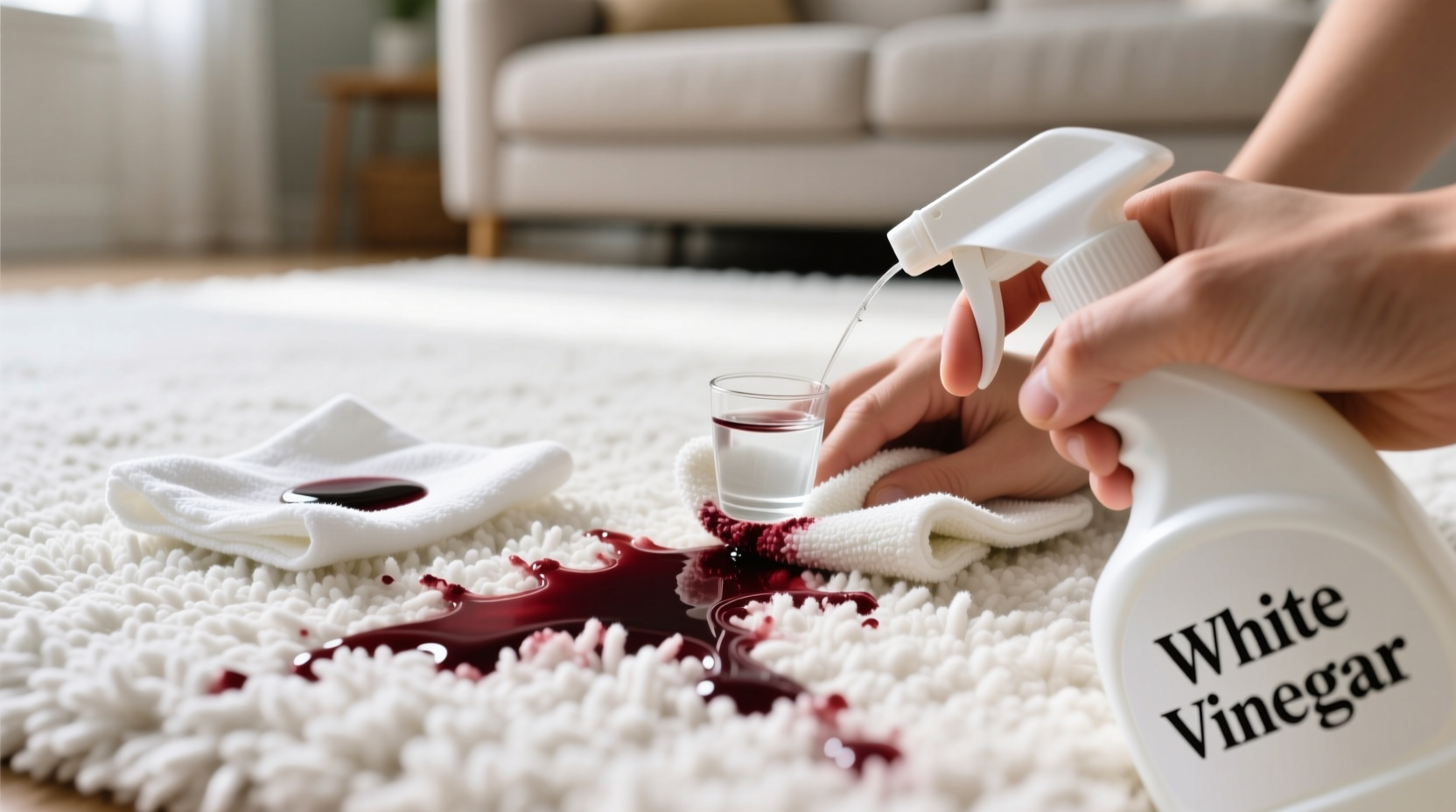
Red wine contains tannins and natural dyes derived from grape skins, both of which are highly pigmented and prone to bonding with textile fibers. When spilled on a porous surface like carpet, especially light-colored or white varieties, the liquid rapidly wicks into the backing and padding beneath. If left untreated for more than a few minutes, oxidation begins to darken the stain, making removal far more difficult. Additionally, many carpets are made from synthetic fibers like nylon or olefin, which may resist certain cleaning agents unless properly matched to the stain type.
“Time is the biggest enemy when dealing with red wine on carpet. The first five minutes after a spill determine whether you’re removing a spot or battling a permanent mark.” — Dr. Linda Harper, Textile Chemist at CleanWell Labs
Immediate Response: What to Do in the First 60 Seconds
The moment a red wine spill occurs, immediate intervention dramatically increases the chances of complete removal. Delaying action by even ten minutes can allow the wine to penetrate deeper into the carpet pile and sub-layer, where extraction becomes exponentially harder.
Step-by-Step Emergency Protocol
- Blot, don’t rub. Use a clean, absorbent white cloth or paper towel to gently press down on the spill. Rubbing spreads the wine and pushes it deeper into the fibers.
- Work from the outside in. Blotting outward prevents the stain from expanding across a wider area.
- Remove excess liquid. Continue blotting until no more wine transfers to the cloth.
- Apply cold water. Dampen another section of cloth with cold (not hot) water and blot again. Cold water helps dilute remaining wine without setting the protein-based components.
- Proceed to treatment. Once excess moisture is removed, move to a targeted cleaning solution based on availability and carpet type.
Top 5 Proven Methods to Remove Fresh Red Wine Stains
Different situations call for different approaches. Below are five reliable methods ranked by effectiveness, safety, and accessibility. Each method assumes the stain is still fresh—less than one hour old.
1. Dish Soap and Hydrogen Peroxide Solution
This combination works exceptionally well on synthetic carpets. The surfactants in dish soap break down oils and organic matter, while hydrogen peroxide acts as a mild bleaching agent that lifts color without damaging most fibers.
“Hydrogen peroxide is particularly effective on fresh organic stains because it oxidizes the chromophores—the parts of molecules responsible for color.” — Dr. Elena Torres, Environmental Chemist
Mix one tablespoon of clear dish soap (like Dawn) with two tablespoons of 3% hydrogen peroxide. Apply directly to the stained area using a spray bottle or dropper. Let sit for 5–7 minutes, then blot thoroughly with a damp cloth. Repeat if necessary, but avoid over-saturating the carpet.
2. Baking Soda and Vinegar Paste
Ideal for natural fiber carpets like wool or cotton blends, this method uses effervescence to lift the stain. Mix equal parts baking soda and white vinegar to create a thick paste. Apply generously over the wet spot and let fizzing action work for 10 minutes. Afterward, blot dry and rinse with cold water. Finish by sprinkling additional baking soda, letting it sit for 30 minutes, then vacuuming.
3. Club Soda Neutralization
In a pinch, club soda can neutralize red wine before it sets. Its carbonation lifts surface-level pigment, while sodium and mineral salts help counteract staining compounds. Pour directly onto the spill and blot aggressively. Though less potent than chemical solutions, this method has saved countless hosts during dinner parties.
4. Salt Absorption Method
Salt draws out liquids through osmosis. Immediately after blotting excess wine, cover the area with a thick layer of table salt. Allow it to sit for 15–20 minutes, then vacuum thoroughly. Follow up with a mild soapy rinse if discoloration remains. Best used as a preliminary step rather than a standalone fix.
5. Commercial Enzyme-Based Cleaners
Products like Nature’s Miracle or Biokleen Bac-Out use enzymes to target organic stains at a molecular level. These are safe for pet-friendly homes and often include odor eliminators. Spray liberally, wait 10 minutes, then blot and air dry. Particularly effective on older spills that have begun to oxidize slightly.
Do’s and Don’ts When Treating White Carpet Stains
| Do’s | Don’ts |
|---|---|
| Blot gently with a white cloth to avoid dye transfer | Rub or scrub the stain vigorously |
| Use cold water only—hot water sets protein-based stains | Apply warm or hot water to the spill |
| Test solutions on hidden areas first | Assume all cleaners are safe for your carpet type |
| Vacuum after treatment to restore texture | Leave residue behind; always rinse after applying solutions |
| Treat within 5 minutes for best results | Walk on the area until completely dry |
Real-World Example: A Dinner Party Rescue
Jessica hosted a small gathering in her living room, where a guest accidentally knocked over a full glass of Cabernet Sauvignon onto her off-white Berber carpet. Within seconds, she grabbed a stack of paper towels and began blotting vertically, avoiding circular motions. She then mixed a solution of dish soap and hydrogen peroxide, applied it carefully, and covered the area with a damp cloth for seven minutes. After thorough blotting and a final rinse with cold water, the stain disappeared completely. Two days later, she reported no reappearing marks or discoloration. Her success came down to speed, correct technique, and using ingredients already in her kitchen.
Prevention Tips and Long-Term Care
While knowing how to treat stains is essential, preventing them altogether reduces long-term wear on your carpet. Consider these proactive steps:
- Place protective rugs or runners under dining areas where wine is frequently served.
- Use stemless wine glasses or spill-proof tumblers during casual events.
- Apply a carpet protector spray annually. Products like Scotchgard create a barrier that repels liquids temporarily.
- Keep a dedicated stain-response kit under the sink: include microfiber cloths, measuring spoons, a spray bottle, and key cleaning agents.
Frequently Asked Questions
Can I use bleach to remove red wine from white carpet?
No. Household bleach (sodium hypochlorite) can react with red wine tannins and cause yellowing or fiber degradation, especially on nylon carpets. It also emits harmful fumes and may damage padding underneath. Stick to oxygen-based cleaners instead.
What if the stain has already dried?
If the wine has dried, rehydrate the area first with cold water. Then apply an enzyme cleaner and let it dwell for 15–20 minutes before blotting. Multiple applications may be needed. Avoid heat sources like hairdryers, as they can permanently set the stain.
Is vinegar safe for all carpet types?
Vinegar is generally safe for synthetic fibers but can harm natural wool due to its acidity. For wool carpets, opt for pH-neutral solutions or consult manufacturer guidelines before using acidic substances.
Final Checklist: Your Red Wine Spill Response Plan
- Within 0–60 seconds:
- Blot excess wine with a clean, white cloth. Do not rub.
- 1–3 minutes:
- Rinse lightly with cold water to dilute remaining wine.
- 3–8 minutes:
- Apply chosen solution (dish soap + peroxide, vinegar + baking soda, etc.).
- 8–15 minutes:
- Allow dwell time, then blot thoroughly with damp cloth.
- After 15 minutes:
- Rinse with cold water, blot dry, and vacuum once fully dry.
Conclusion: Act Fast, Stay Calm, Save Your Carpet
Removing red wine from white carpet doesn't require expensive equipment or professional services—if you act swiftly and correctly. The key lies in understanding the chemistry of the stain and responding with precision. Whether you choose a simple salt application or a powerful enzyme cleaner, consistency in technique matters more than the product itself. By mastering these methods and keeping essentials on hand, you’ll never have to dread another accidental spill. Confidence comes not from avoiding mistakes, but from knowing exactly how to fix them.




 浙公网安备
33010002000092号
浙公网安备
33010002000092号 浙B2-20120091-4
Comments
No comments yet. Why don't you start the discussion?