
In an age where digital communication is constant, protecting your personal information has never been more important. One of the most common concerns people face is how to communicate via text without exposing their phone number. Whether you're reaching out to a business contact, responding to an online ad, or reconnecting with someone from your past, preserving your privacy should be a priority. Fortunately, several reliable methods allow you to send text messages securely and anonymously—without ever giving out your real number.
Why Protect Your Phone Number?
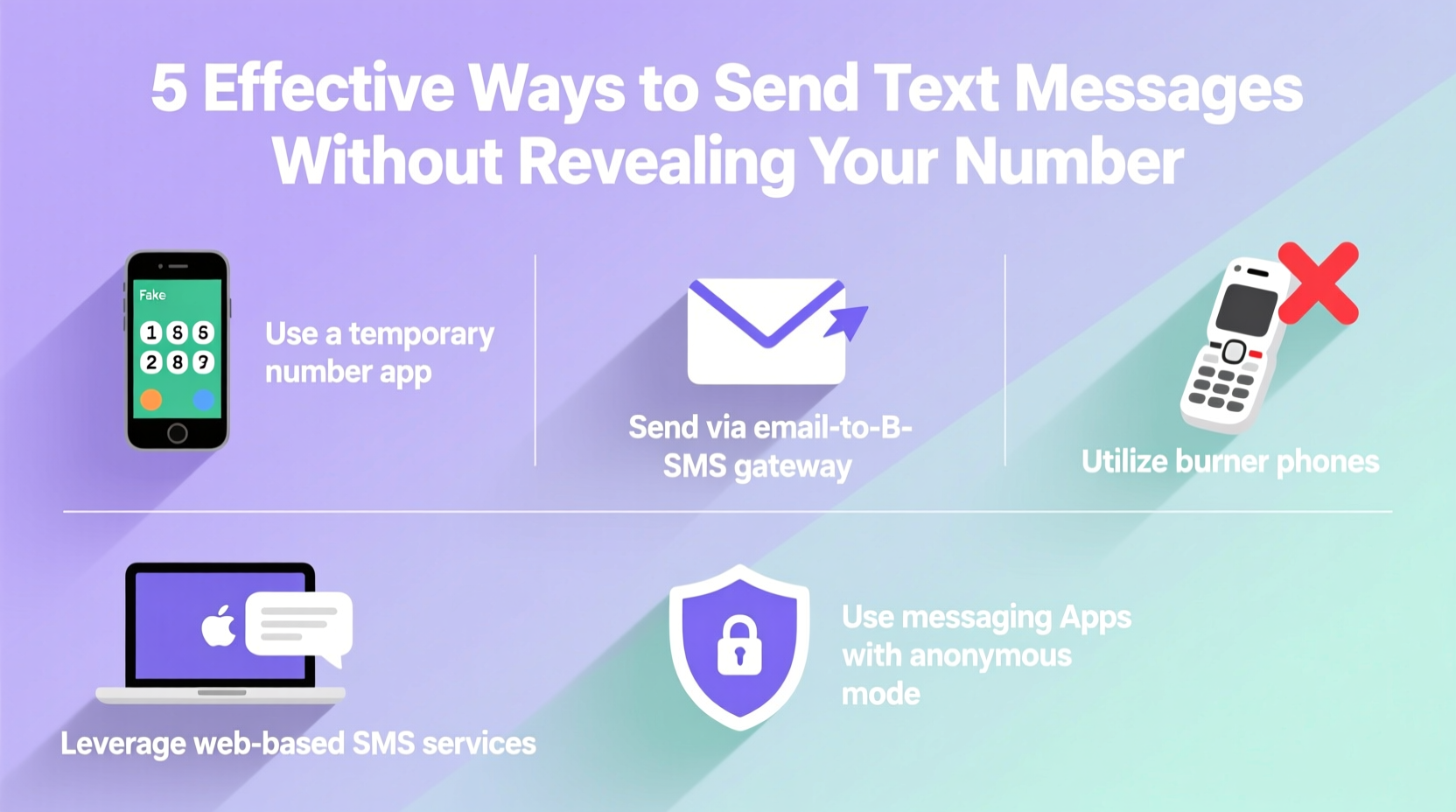
Your phone number is more than just a way to receive calls—it’s often tied to your email accounts, social media profiles, banking apps, and two-factor authentication systems. If it falls into the wrong hands, it can become a gateway for spam, phishing attempts, or even identity theft. Sending texts without revealing your number isn’t about deception; it’s about maintaining control over your digital footprint.
“Your phone number is one of the most sensitive pieces of personal data you own. Treat it like a password.” — Sarah Lin, Cybersecurity Analyst at Digital Shield Labs
Use Messaging Apps with Anonymous Features
Many modern messaging platforms allow users to communicate without sharing their actual phone numbers. These apps use usernames, handles, or temporary identifiers instead of tying messages directly to your SIM card.
- Signal (with Registration Lock): While Signal typically requires a phone number, enabling registration lock adds a PIN that prevents others from hijacking your identity. You can also use a secondary number to register.
- Telegram: This app lets you create a username so people can message you without knowing your number. Simply go to Settings > Username and set up a public handle.
- Threema: A privacy-first app that doesn’t require any personal information—not even a phone number or email—to sign up. Each user gets a unique Threema ID.
Leverage Temporary SMS Services
Temporary SMS services provide disposable phone numbers that let you send and receive texts for free or at low cost. These are ideal for short-term needs such as verifying accounts, contacting sellers, or sending one-off messages.
Popular platforms include:
- TextNow: Offers a free U.S. or Canadian number that works across devices. Use the app or website to send unlimited texts.
- Google Voice: Provides a free secondary number linked to your Google account. Works seamlessly on Android and iOS, allowing you to send texts over Wi-Fi.
- Receive-SMS.cc: A no-signup service offering temporary numbers for receiving messages. Some premium tiers allow outgoing texts.
Step-by-Step: Setting Up Google Voice for Anonymous Texting
- Visit voice.google.com and sign in with a Google account (consider creating a new one for privacy).
- Select a preferred area code and choose an available phone number.
- Verify the number by linking it to an existing phone (this step confirms you’re human but doesn’t expose your new number).
- Once activated, use the web interface or mobile app to send SMS messages to anyone in the U.S. or Canada.
- Log out after use or enable incognito browsing to prevent tracking.
| Service | Cost | Send Texts? | Receive Texts? | Requires Registration? |
|---|---|---|---|---|
| Google Voice | Free | Yes (U.S./Canada) | Yes | Yes (Google Account) |
| TextNow | Free (ads) / Premium $5/mo | Yes | Yes | Yes |
| Receive-SMS.cc | Free | No (free tier) | Yes | No |
| Burner App | $5–$15/month | Yes | Yes | Yes |
Try Burner Phone Numbers for Short-Term Privacy
If you need a temporary number for a few days or weeks—such as when selling items online or starting a side hustle—a burner app is an excellent solution. These apps generate virtual numbers that forward calls and texts to your real device while keeping your identity hidden.
Top burner options include:
- Burner: Available on iOS and Android, this app lets you create temporary numbers with customizable expiration dates.
- Hushed: Offers local and toll-free numbers worldwide. Ideal for international texting needs.
- MySudo: Allows up to nine separate “Sudos” (identities), each with its own number, calendar, and browser.
“We recommend using a burner number whenever engaging in peer-to-peer marketplaces. It reduces risk and gives both parties flexibility.” — Consumer Protection Team, FTC Advisory Division
Real-World Example: Selling Furniture Safely Online
Jamal decided to sell his sofa on a local marketplace. Instead of posting his personal number, he created a Google Voice number linked to a dedicated Gmail address. Over the next week, he received five inquiries—all routed through the Voice inbox. He responded professionally, arranged viewings, and completed the sale—all without revealing his real contact information. After the transaction, he deactivated the number. No spam, no missed calls, and full control throughout the process.
This scenario illustrates how simple tools can protect your privacy during everyday interactions. By investing 10 minutes upfront, Jamal avoided potential harassment and maintained peace of mind.
Best Practices Checklist
To ensure secure and anonymous texting, follow this checklist before sending your next message:
- ✅ Determine whether anonymity is necessary based on context (e.g., personal vs. professional).
- ✅ Choose a trusted platform (Google Voice, TextNow, Burner, etc.).
- ✅ Avoid reusing temporary numbers across multiple services.
- ✅ Never link your pseudonymous number to financial accounts or primary email.
- ✅ Disable location sharing and metadata permissions in the app settings.
- ✅ Delete or deactivate the number once its purpose is fulfilled.
Frequently Asked Questions
Can I send anonymous texts internationally?
Yes, but availability depends on the service. Apps like Hushed and MySudo offer global numbers, though outbound texting may incur additional fees. Always check country-specific restrictions before use.
Are anonymous texting services legal?
Using these services for legitimate purposes—like protecting your privacy or managing work-life boundaries—is completely legal. However, using them to harass, scam, or mislead others violates laws in most jurisdictions.
Will the recipient know I’m using a fake number?
Not unless you tell them. From their perspective, the message appears to come from a regular phone number. However, some carriers flag messages from VoIP lines as “spam likely,” which could affect deliverability.
Final Thoughts: Take Control of Your Communication Privacy
You don’t have to sacrifice convenience for privacy. With the right tools and habits, you can engage in meaningful conversations—whether personal or professional—without compromising your identity. The key is being intentional: assess the situation, choose the appropriate method, and manage your digital traces responsibly.
Whether you opt for a free Google Voice number, a secure app like Threema, or a time-limited burner, the power to stay private is within reach. In a world where data breaches and unsolicited contact are common, taking small steps today can prevent bigger problems tomorrow.




 浙公网安备
33010002000092号
浙公网安备
33010002000092号 浙B2-20120091-4
Comments
No comments yet. Why don't you start the discussion?