
A persistent fire alarm chirp can be more than an annoyance—it can disrupt sleep, cause stress, and even lead some homeowners to disable the device entirely. While the instinct might be to remove the battery or cover the unit, doing so risks your safety. Modern smoke alarms are designed to alert you not only to smoke but also to low batteries, end-of-life signals, or malfunctioning sensors. The key is to silence the chirp the right way: effectively and safely.
Understanding why your alarm is chirping—and how to respond appropriately—can restore peace to your home while maintaining protection. This guide walks through proven methods to address the issue, backed by fire safety standards and real-world experience.
Why Fire Alarms Chirp: Common Causes
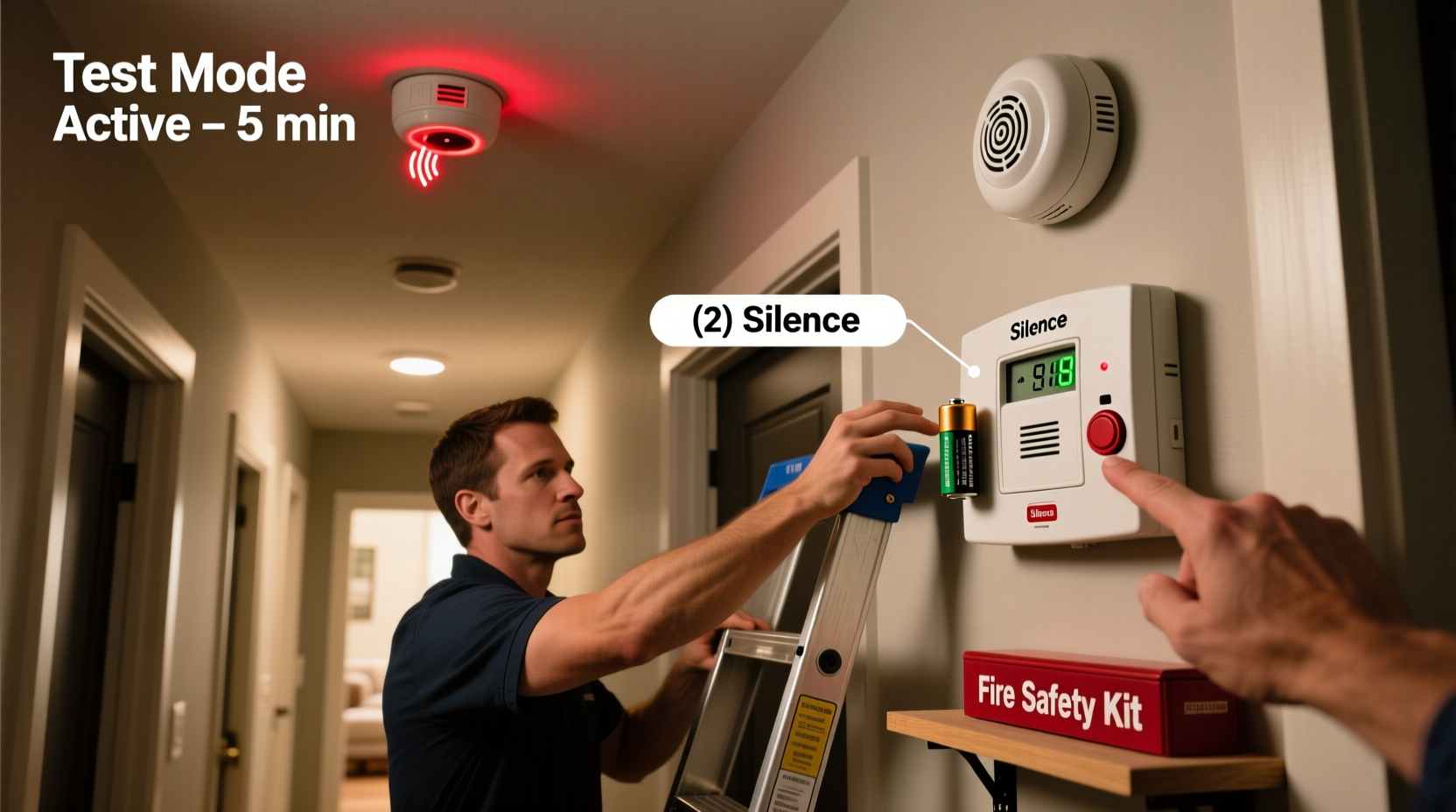
Before silencing a chirping alarm, it’s essential to identify the cause. Most modern smoke detectors use intermittent beeping (typically one short chirp every 30–60 seconds) to communicate specific conditions:
- Low battery: The most common reason. As battery voltage drops, the alarm sends periodic chirps.
- End of life: Smoke alarms last about 8–10 years. After this, internal components degrade, and the unit may chirp to signal replacement is needed.
- Dust or debris buildup: Particles inside the sensing chamber can trigger false alerts or erratic behavior.
- Environmental interference: High humidity, steam, or temperature fluctuations near kitchens or bathrooms may affect sensor performance.
- Loose wiring or power issues: For hardwired units, electrical instability can prompt warning chirps.
Ignoring these signals can have serious consequences. According to the National Fire Protection Association (NFPA), three out of five home fire deaths occur in properties without working smoke alarms.
“Smoke alarms save lives when they’re properly maintained. A chirping alarm isn’t just noise—it’s a message that needs attention.” — Captain Luis Vasquez, Public Education Officer, Phoenix Fire Department
Step-by-Step Guide to Silencing the Chirp Safely
Silencing a chirping alarm doesn’t mean disabling it permanently. Follow this sequence to resolve the issue responsibly:
- Identify the unit: Locate which alarm is chirping. If multiple units are interconnected, press the “test” button on each to isolate the source.
- Check the battery: For battery-powered models, replace the battery with a fresh one—even if it seems strong. Use manufacturer-recommended types (e.g., 9V alkaline).
- Reset the alarm: After battery replacement, press and hold the test button for 15–20 seconds to reset the sensor.
- Clean the unit: Use compressed air to blow dust from vents and sensing chambers. Avoid water or cleaning sprays.
- Inspect expiration date: Look for a manufacture date or “replace by” label on the back. Replace units older than 10 years.
- Check power supply: For hardwired alarms, ensure the circuit breaker is on and connections are secure. Consider having an electrician inspect faulty wiring.
If chirping persists after these steps, the alarm may be nearing end-of-life and should be replaced immediately.
Do’s and Don’ts When Handling Chirping Alarms
| Do’s | Don’ts |
|---|---|
| Replace batteries annually, even if no chirp occurs | Remove the battery permanently to stop chirping |
| Vacuum or blow out dust from alarm vents every 6 months | Paint over or cover the smoke detector |
| Test alarms monthly using the test button | Ignore chirps lasting more than a few hours |
| Replace entire units every 10 years | Use expired or off-brand batteries that may underperform |
| Install alarms away from kitchens and bathrooms to reduce false triggers | Disable interconnected systems because one unit is problematic |
Real Example: Resolving a Persistent Chirp in a Family Home
In suburban Chicago, Sarah Thompson noticed her hallway smoke alarm chirping every 45 seconds. She initially removed the battery at night for quiet, but realized she was sleeping unprotected. After reading the manufacturer’s manual, she discovered the unit was seven years old and had accumulated dust from nearby construction.
Sarah replaced the battery and used compressed air to clean the housing. The chirping stopped temporarily but returned after two weeks. Upon checking the back label, she found the alarm was manufactured in 2013—past its 10-year lifespan. She purchased a new dual-sensor (photoelectric and ionization) model, installed it, and has had no further issues. More importantly, her family regained confidence in their home’s safety system.
Essential Checklist: Responding to a Chirping Smoke Alarm
Use this checklist to quickly and safely address alarm chirps:
- ✅ Identify the chirping unit
- ✅ Replace the battery with a fresh, high-quality one
- ✅ Press and hold the test/reset button for 15+ seconds
- ✅ Clean the exterior and vents with dry cloth or compressed air
- ✅ Check the manufacture date—replace if older than 10 years
- ✅ Test the new setup monthly going forward
- ✅ Ensure all alarms are interconnected where possible
Frequently Asked Questions
Can I silence a chirping alarm without replacing the battery?
In rare cases, resetting the alarm may temporarily stop the chirp, but if the battery is weak, it will return. The NFPA recommends immediate battery replacement when chirping begins. Using a temporary fix without addressing the root cause compromises safety.
What does it mean if my hardwired alarm chirps during a power outage?
Hardwired alarms have backup batteries. If the main power fails, the unit runs on battery and may chirp if the backup is low. Once power is restored, the alarm should recharge the battery and stop chirping. If it continues, replace the backup battery.
Is it safe to disconnect a chirping alarm overnight?
No. Even brief disconnection leaves your home vulnerable. Instead, address the cause promptly. If the chirp occurs late at night, replace the battery first thing in the morning. Consider keeping spare batteries on hand for emergencies.
Conclusion: Silence Smartly, Stay Protected
A chirping fire alarm isn’t just a nuisance—it’s a critical warning system doing its job. By responding with informed action, you can eliminate the noise without sacrificing safety. Whether it’s a simple battery swap, routine cleaning, or full unit replacement, each step reinforces your home’s defense against fire risks.
Maintaining functional smoke alarms is one of the most effective ways to protect your household. Don’t let a small chirp turn into a dangerous oversight. Address it correctly, stay vigilant, and ensure every alarm in your home is ready to act when it matters most.




 浙公网安备
33010002000092号
浙公网安备
33010002000092号 浙B2-20120091-4
Comments
No comments yet. Why don't you start the discussion?