
In the quiet hours of the night, when the house is still and responsibilities fade, many people reach for their phones. What begins as a quick check often spirals into an hour—or more—of endless scrolling through news feeds, social media updates, and alarming headlines. This behavior, known as \"doomscrolling,\" has become a modern epidemic, particularly in times of uncertainty. It not only disrupts sleep but also amplifies anxiety, making it harder to unwind and fall asleep. The good news: with intentional habits and structural changes, it’s entirely possible to break the cycle and reclaim your evenings—and your rest.
Understanding Doomscrolling and Its Impact on Sleep
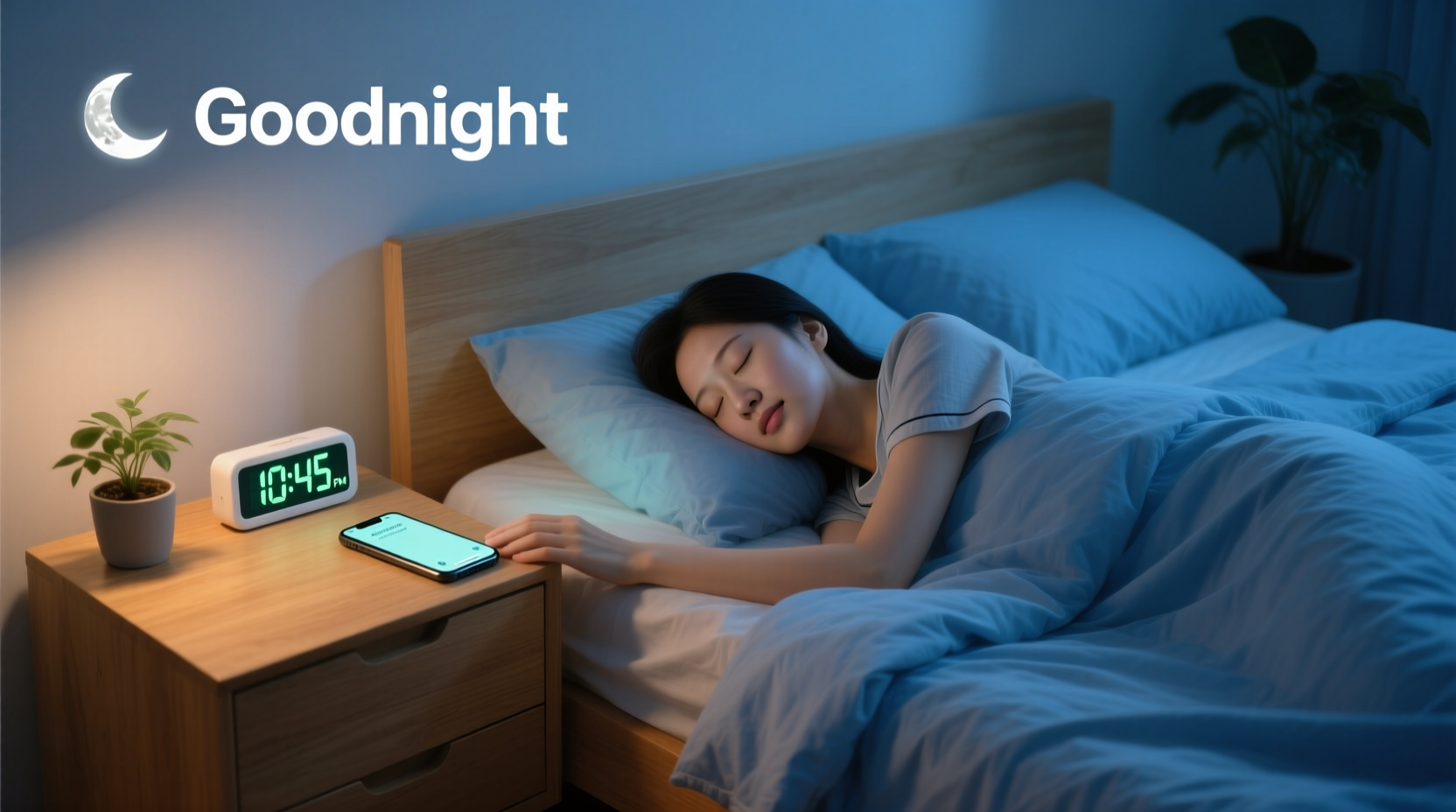
Doomscrolling refers to the compulsive consumption of negative or distressing news online, typically late at night. While it may feel like passive relaxation, the brain interprets this input as high-alert stimulation. Scrolling floods your mind with fragmented information, emotional triggers, and blue light—all of which interfere with melatonin production, the hormone responsible for regulating sleep.
Research from the Journal of Clinical Sleep Medicine shows that individuals who use electronic devices within 30 minutes of bedtime take longer to fall asleep and report poorer sleep quality. Worse, repeated exposure to stressful content conditions the brain to associate bedtime with tension rather than calm, creating a self-reinforcing loop of insomnia and digital overuse.
“Late-night screen use doesn’t just delay sleep—it rewires our circadian rhythms and emotional baseline.” — Dr. Lena Torres, Sleep Neurologist, Stanford Center for Sleep Sciences
Step-by-Step Guide to Breaking the Cycle
Changing deeply ingrained habits requires more than willpower. A structured approach increases the likelihood of lasting success. Follow this six-step timeline to reduce doomscrolling and restore healthy sleep patterns:
- Week 1: Audit Your Evening Routine
Track exactly when and why you pick up your phone after dinner. Use a notebook or app to log time spent, platforms visited, and how you felt afterward (e.g., anxious, numb, restless). Awareness is the first step toward change. - Week 2: Set a Digital Curfew
Choose a cutoff time—ideally 90 minutes before bed—and power down all screens. Start small if needed; even a 30-minute buffer can make a difference. Use phone settings to schedule automatic “Do Not Disturb” mode. - Week 3: Replace Scrolling with Rituals
Introduce a calming alternative: reading a physical book, journaling, stretching, or listening to ambient music. The key is consistency—your brain will begin to associate this routine with winding down. - Week 4: Optimize Your Environment
Remove temptation. Charge your phone outside the bedroom. If you rely on your phone as an alarm, invest in a basic digital clock. Make your bedroom a screen-free sanctuary. - Week 5: Reframe Notifications
Disable non-essential alerts, especially news and social media apps. Enable grayscale mode after 7 PM to reduce visual appeal. These subtle cues reduce dopamine-driven urges to check your device. - Week 6: Evaluate and Adjust
Review your progress. Are you falling asleep faster? Do you feel less anxious at night? Tweak your routine based on what works. Celebrate small wins—they build momentum.
Effective Alternatives to Late-Night Scrolling
The void left by eliminating doomscrolling must be filled with meaningful, low-stimulation activities. Consider these evidence-based alternatives:
- Reading fiction: Studies show immersive reading reduces stress levels by up to 68%, outperforming listening to music or walking.
- Mindful breathing or meditation: Just 10 minutes of focused breathwork can lower cortisol and prepare the nervous system for rest.
- Gratitude journaling: Writing down three positive things from your day shifts focus from fear to appreciation, counteracting negativity bias.
- Gentle movement: Light stretching or yoga helps release physical tension accumulated during the day.
- Listening to podcasts or audiobooks: Choose uplifting or neutral content—avoid true crime or intense news programs.
These practices don’t just replace doomscrolling—they actively promote neurochemical conditions conducive to sleep, such as increased serotonin and decreased amygdala activity.
Common Triggers and How to Manage Them
Doomscrolling rarely happens in a vacuum. It’s often triggered by specific emotional or environmental cues. Recognizing these patterns allows for proactive intervention.
| Trigger | Why It Leads to Doomscrolling | Practical Solution |
|---|---|---|
| Boredom or loneliness | Scrolling provides instant, albeit shallow, connection | Call a friend earlier in the evening or write a letter |
| Anxiety about the future | Seeking control through information—even if it's negative | Limit news intake to 10 minutes in the morning; practice acceptance techniques |
| Work stress spilling into night | Mental overload prevents disengagement | Implement a “worry window” earlier in the day to process concerns |
| Habitual phone use | Automatic behavior reinforced by daily repetition | Use app blockers and place phone in another room |
| Fear of missing out (FOMO) | Belief that important updates happen overnight | Remind yourself: nothing urgent happens at 11 PM that can’t wait until morning |
Mini Case Study: Recovering Sleep After Months of Nightly Scrolling
Sarah, a 34-year-old marketing consultant, found herself routinely staying up until 1:30 AM scrolling through Twitter and news sites. She described feeling “addicted to the outrage,” unable to put her phone down even when exhausted. After two months of poor sleep, she began experiencing daytime fatigue, irritability, and difficulty concentrating.
She implemented a strict 9:00 PM digital curfew, moved her phone charger to the kitchen, and replaced scrolling with 20 minutes of reading and herbal tea. Within ten days, she was consistently asleep by 11 PM. After four weeks, her sleep efficiency improved from 72% to 89%, as measured by a sleep tracker. “I didn’t realize how much mental noise I was absorbing every night,” she said. “Now, my mind feels quieter. I actually look forward to bedtime.”
Checklist: Your 7-Day Plan to Stop Doomscrolling
Use this actionable checklist to begin transforming your nighttime habits:
- ✅ Remove phones and tablets from the bedroom
- ✅ Set a consistent bedtime and wake-up time (even on weekends)
- ✅ Install a screen-time tracking app (e.g., Screen Time on iOS or Digital Wellbeing on Android)
- ✅ Schedule a 10-minute “news digest” in the morning—not at night
- ✅ Activate grayscale mode on your phone after 7 PM
- ✅ Choose one replacement activity (reading, journaling, etc.) and commit to it for seven nights
- ✅ Inform household members of your new routine to reduce distractions
FAQ: Common Questions About Doomscrolling and Sleep
Is doomscrolling worse than regular scrolling?
Yes. While any screen use before bed can impair sleep, doomscrolling is uniquely harmful because it combines blue light exposure with emotionally charged content. This activates both the visual cortex and the brain’s threat-detection systems, making relaxation nearly impossible.
Can I still check my phone if I use blue light filters?
Blue light filters help but don’t eliminate the problem. The cognitive and emotional impact of content matters more than light spectrum alone. Even with filters, engaging with stressful material keeps your mind alert. True improvement comes from behavioral change, not just technological fixes.
What if I need my phone as an alarm?
Consider purchasing a standalone alarm clock. They’re inexpensive and remove the temptation to check notifications. If you must use your phone, enable airplane mode and place it face-down across the room.
Conclusion: Reclaim Your Nights, Restore Your Rest
Doomscrolling isn’t a personal failing—it’s a predictable response to an environment designed to capture attention. But you have the power to redesign your own habits. By understanding the mechanisms behind the behavior, replacing it with nourishing routines, and structuring your environment for success, you can break free from the cycle of late-night anxiety and sleeplessness.
Start tonight. Put your phone away earlier than usual. Pick up a book. Breathe deeply. Let your mind settle without the constant hum of digital noise. Better sleep isn’t just about duration—it’s about quality, calm, and restoration. You don’t need more time to unwind; you need fewer distractions. Take back your evenings, and you’ll find mornings feel brighter, clearer, and full of possibility.




 浙公网安备
33010002000092号
浙公网安备
33010002000092号 浙B2-20120091-4
Comments
No comments yet. Why don't you start the discussion?