
In an era where digital communication is constant, privacy has become a critical concern. Whether you're selling items online, starting a new business venture, or reconnecting with someone from the past, sharing your personal phone number can expose you to spam, scams, or unwanted contact. Fortunately, modern technology offers several reliable methods to send and receive texts without ever disclosing your real number. These solutions balance convenience, security, and functionality—letting you communicate freely while keeping your identity protected.
Why Protect Your Phone Number?
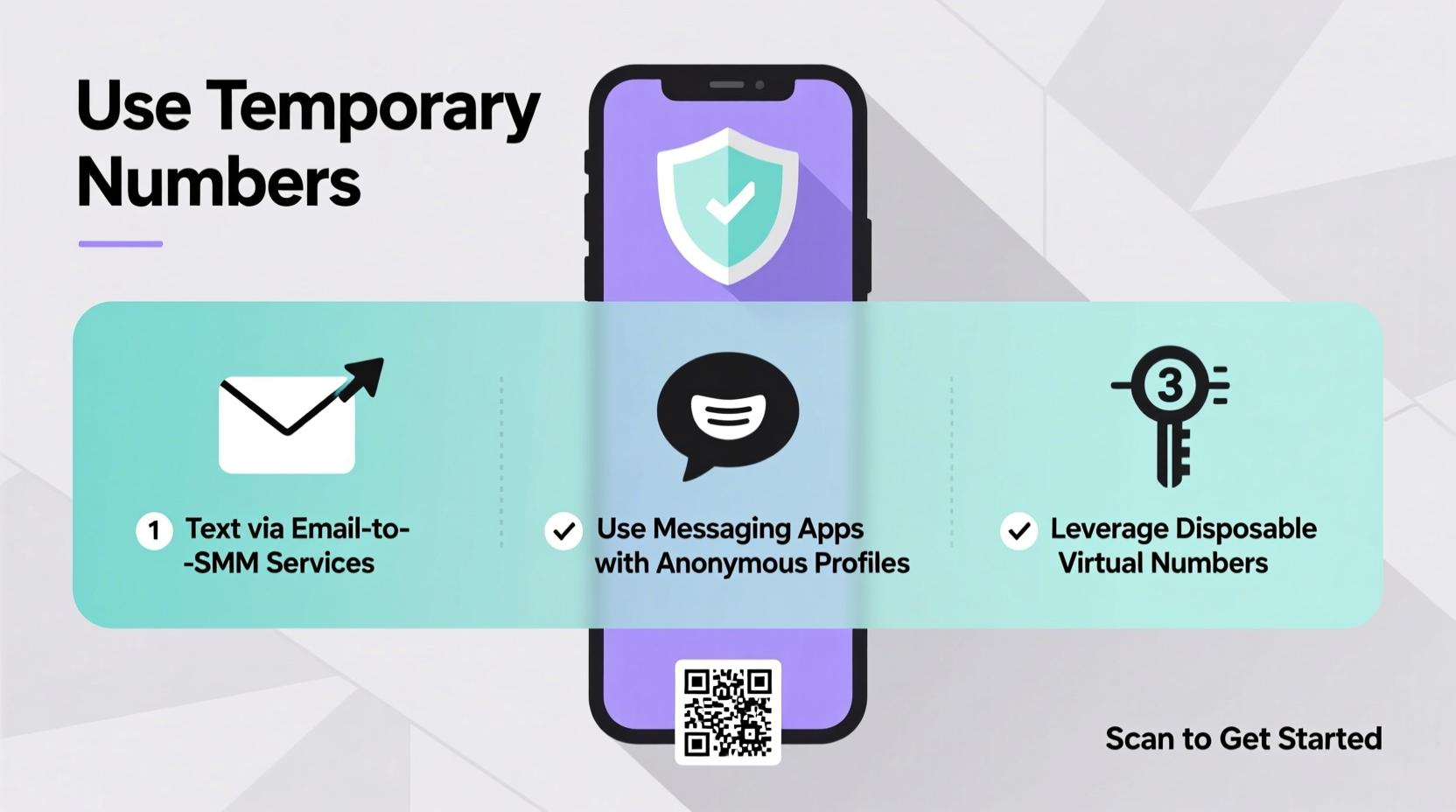
Your phone number is more than just a contact point—it’s tied to your banking apps, social media accounts, two-factor authentication systems, and even location tracking. Once exposed, it can be harvested by data brokers, used for phishing attempts, or linked to your personal information across platforms.
Consider this: A 2023 report by the Federal Trade Commission revealed that over 40% of consumers who experienced identity theft had their phone numbers compromised first. Texting anonymously isn’t about deception; it’s about controlling access to sensitive personal data in a world where oversharing happens too easily.
“Your phone number is one of the most valuable pieces of personal information you own. Guarding it should be as routine as locking your front door.” — Dr. Lena Patel, Cybersecurity Researcher at MIT
Top Methods to Text Anonymously
There are multiple legitimate and secure ways to send messages without exposing your real number. Each method varies in setup complexity, reliability, and use case suitability. Below are five of the most effective approaches.
1. Use Virtual Number Apps
Virtual number services provide temporary or permanent secondary phone numbers that route calls and texts to your primary device. These numbers appear authentic to recipients and support standard SMS/MMS features.
Popular apps include:
- Google Voice: Free U.S.-based number with call forwarding, voicemail transcription, and spam filtering.
- Textra: Offers masked texting with customizable sender IDs (on supported carriers).
- TextNow: Provides free Wi-Fi-based calling and texting with ad-supported models.
- Dingtone: Supports international virtual numbers and low-cost calling plans.
2. Leverage Messaging Platforms with No Number Requirement
Many messaging apps allow registration without linking a phone number. Instead, they use email addresses or usernames as identifiers.
Examples include:
- Signal (with email registration via workaround): While Signal typically requires a number, advanced users can use secondary SIMs or burner devices to maintain anonymity.
- Threema: Uses randomly generated user IDs—no phone number or email needed.
- Wire: Allows sign-up via email, supporting end-to-end encrypted messaging and group chats.
- Session: Fully anonymous, decentralized messaging app requiring no personal info whatsoever.
These platforms excel in privacy-focused scenarios such as whistleblowing, activism, or discreet professional networking.
3. Employ Online SMS Gateways
Web-based SMS gateways let you send texts through browser interfaces using temporary or disposable numbers. Some offer free tiers for light usage.
Services like:
- TextEm: Generates a random number valid for 72 hours.
- Receive-SMS.cc: Offers free temporary numbers for receiving verification codes and replies.
- SMS24.me: Allows instant sending and receiving without registration.
While useful for short-term interactions (e.g., verifying an account), these services may lack message history or long-term continuity.
4. Use Burner Phones or Prepaid SIM Cards
A physical but anonymous option involves purchasing a prepaid mobile plan with cash. This creates a fully functional phone line disconnected from your identity.
Steps to implement:
- Buy an unlocked phone and prepaid SIM card from a retail store using cash.
- Avoid registering the device under your name.
- Use Wi-Fi only to prevent location tracking via cell towers.
- Discard the device after its intended purpose is fulfilled.
This method is ideal for high-risk situations, such as investigative journalism or dealing with volatile personal matters.
5. Forward Messages Through Email-to-SMS Gateways
Most major carriers operate email-to-SMS bridges. You can send a text to a recipient’s phone by emailing [number]@carrierdomain.com, such as 1234567890@txt.att.net.
Since the reply goes to your email address—not your phone—the recipient never sees your number. However, they will see your email unless you use an anonymous email service like ProtonMail or Tutanota.
| Carrier | Email Domain |
|---|---|
| AT&T | number@txt.att.net |
| T-Mobile | number@tmomail.net |
| Verizon | number@vtext.com |
| Sprint | number@messaging.sprintpcs.com |
Checklist: How to Start Texting Safely Today
Follow this actionable checklist to begin communicating securely without revealing your number:
- ✅ Assess your need: Is anonymity temporary or ongoing?
- ✅ Choose a method based on duration, cost, and technical comfort.
- ✅ Set up a secure email if using web-based gateways.
- ✅ Enable encryption in any app handling sensitive conversations.
- ✅ Avoid reusing temporary numbers across platforms to prevent linkage.
- ✅ Regularly delete message logs from shared or public devices.
Real Example: Selling Online Without Risk
Sophia decided to sell her old laptop on Facebook Marketplace. She was hesitant to post her personal number due to previous experiences with spam callers. Instead, she created a Google Voice number linked to her Gmail. Buyers could text her directly, and all messages synced to her phone—without them seeing her real number.
When a buyer became pushy and sent inappropriate messages, Sophia blocked the number within seconds and generated a new one for future listings. The entire process took less than five minutes, and she completed the sale safely.
“Using a virtual number gave me peace of mind. I stayed reachable without feeling exposed.” — Sophia R., Freelancer and occasional online seller
Do’s and Don’ts of Anonymous Texting
| Do’s | Don’ts |
|---|---|
| Use encrypted apps for sensitive discussions | Never reuse burner numbers for financial accounts |
| Verify recipient legitimacy before engaging | Assume complete anonymity—metadata can still reveal patterns |
| Keep software updated to patch vulnerabilities | Share personal details even through masked channels |
| Log out of shared devices after use | Rely solely on free services for mission-critical communications |
Frequently Asked Questions
Can I receive replies when texting anonymously?
Yes, most virtual number apps and email-to-SMS gateways allow two-way communication. As long as the service remains active, you’ll receive responses directly to your chosen device or inbox.
Are anonymous texting apps legal?
Yes, using apps or services to protect your privacy is entirely legal in most countries. However, using anonymity to harass, scam, or defraud others is illegal and subject to prosecution regardless of the tool used.
Will my carrier know I’m using a second number?
If you’re using VoIP-based services like Google Voice over Wi-Fi, your carrier only sees internet data usage—not the content or destination of messages. Physical SIM cards, however, are traceable to the provider, though not necessarily to your identity if purchased anonymously.
Conclusion: Take Control of Your Digital Privacy
Protecting your phone number doesn’t mean withdrawing from communication—it means choosing smarter, safer ways to connect. From virtual numbers to encrypted messengers, the tools exist to shield your identity without sacrificing functionality. Whether you’re managing online sales, navigating delicate personal conversations, or simply reducing digital clutter, anonymous texting empowers you to stay in control.




 浙公网安备
33010002000092号
浙公网安备
33010002000092号 浙B2-20120091-4
Comments
No comments yet. Why don't you start the discussion?